
The Hidden Cost of Connection: Why Social Diversity is Driving Users into Silence
How Does Social Network Diversity Affect Users’ Lurking Intention Toward Social Network Services? A Role Perspective
This study investigates the "SNS lurking" phenomenon using WeChat Moments as a target. It proposes an integrated model combining Role Theory and Self-Discrepancy Theory to reveal how social network diversity triggers lurking through psychological stressors.
TL;DR
In the age of "Super Apps," our digital social circles have become so diverse that they are becoming toxic to active participation. This study reveals that Social Network Diversity creates a "Role Trap"—where the stress of balancing incompatible identities (Role Conflict) and the sheer volume of social expectations (Role Overload) triggers anxiety and disappointment, leading users to choose lurking as a survival strategy.
The Paradox of Diversity: When More is Less
Traditionally, social scientists hailed network diversity as a goldmine for "social capital"—the more diverse your friends, the better your access to jobs and information. However, this paper identifies a dark side. On platforms like WeChat or Facebook, your boss, your parents, and your high school buddies all inhabit the same digital space.
This "Context Collapse" means you can no longer curate your identity for specific audiences. The stress of being a "professional employee" and a "carefree friend" at the same time creates a psychological friction that eventually silences the user.
Methodology: Mapping the Psychological Friction
The researchers integrated two heavyweight frameworks to look under the hood of user behavior:
- Role Theory: Used to identify the external stressors (Role Conflict—incompatible expectations; and Role Overload—too many roles to handle).
- Self-Discrepancy Theory (SDT): Used to explain the internal fallout.
- Actual vs. Ought Self: Fearing you aren't meeting the duties others expect (leading to Anxiety).
- Actual vs. Ideal Self: Feeling you can no longer maintain your "perfect" online image (leading to Disappointment).
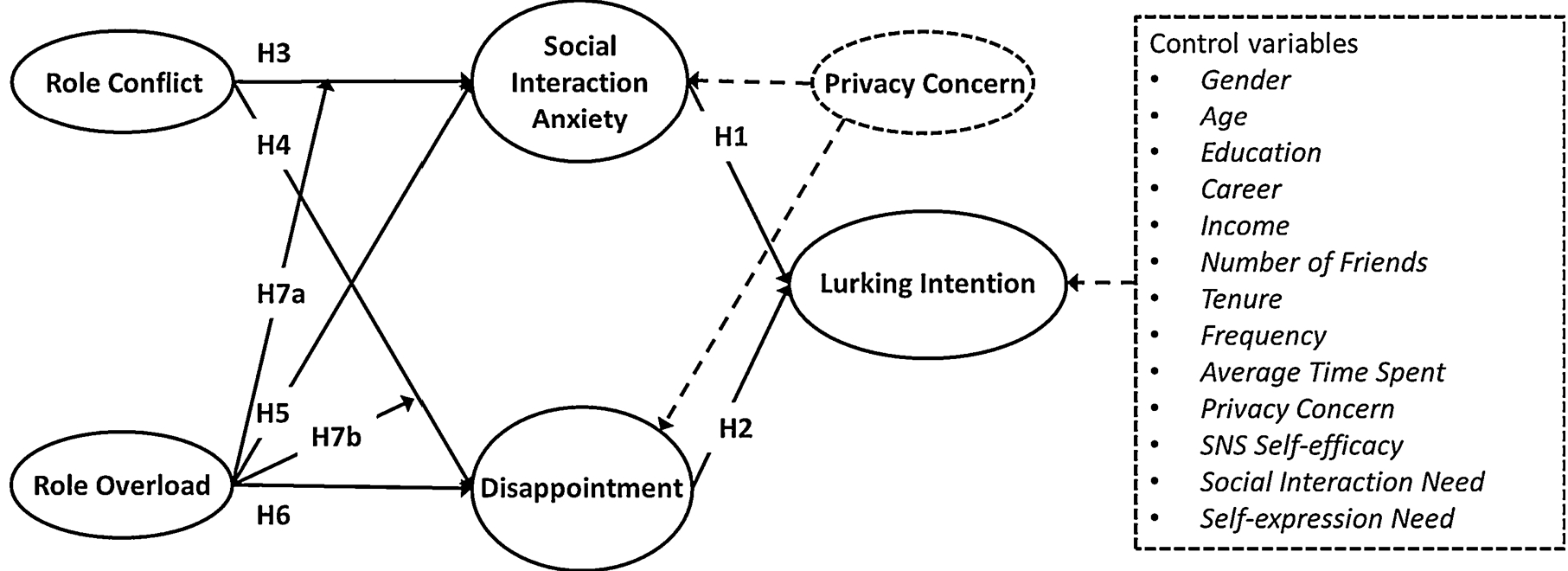 Figure 1: The Integrated Role-Perspective Model of Lurking Intention.
Key Findings: The "Overload" Multiplier
Based on a survey of 641 WeChat users, the data tells a compelling story:
- Anxiety & Disappointment are the Silencers: Both emotions significantly predict the intention to stop posting, commenting, or even "liking" content.
- Role Overload is the Catalyst: While Role Conflict causes stress, it is Role Overload that acts as the force multiplier. When users feel they have too many roles to manage, the disappointment of failing to maintain their ideal image skyrockets.
- Lurking as a Safety Behavior: The study suggests that "lurking" isn't just laziness; it is a maladaptive coping strategy. Users retreat into the shadows to avoid making a "social mistake" that could haunt them across different social circles.
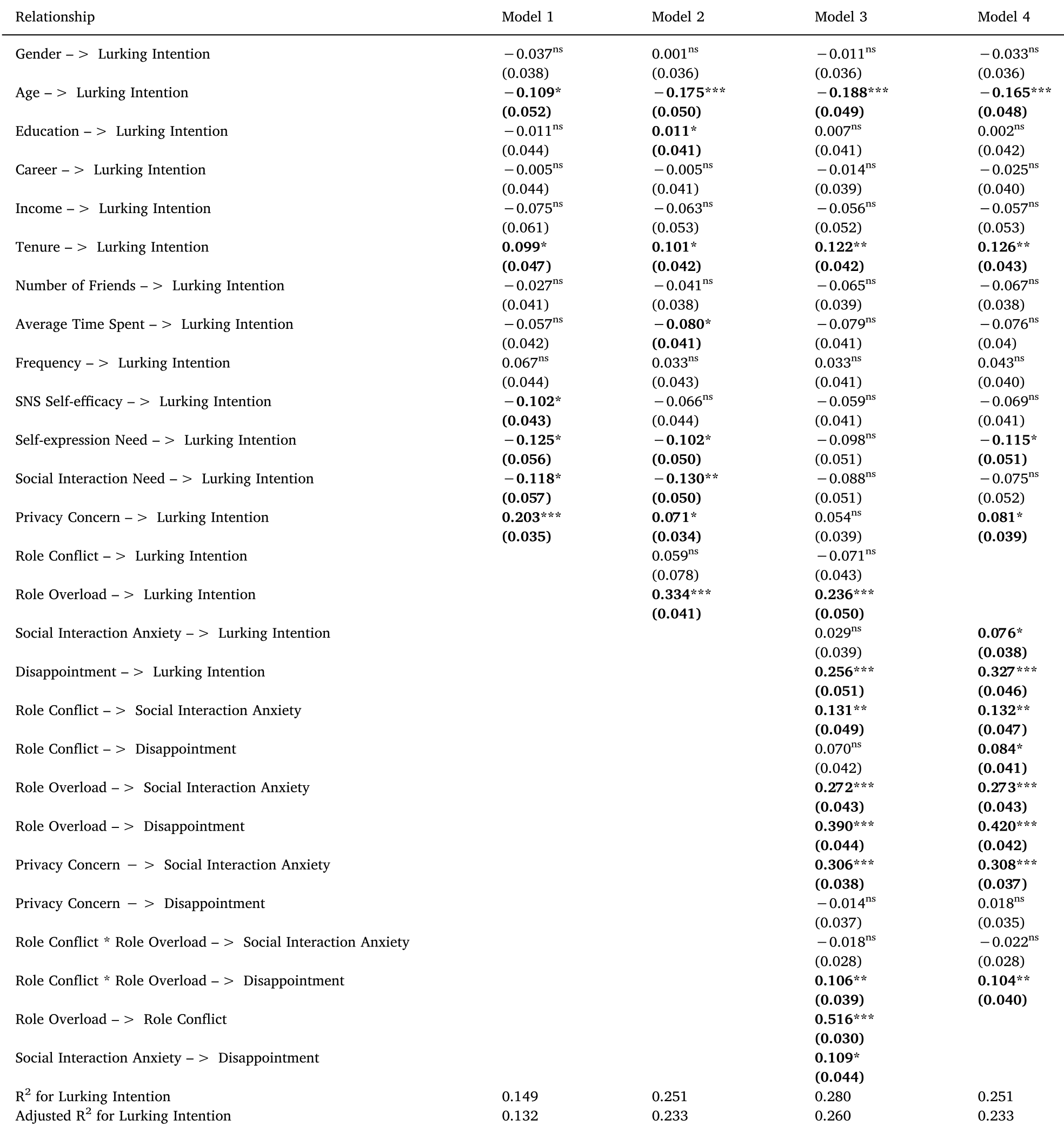 Table 1: Structural Model Path Coefficients - Highlighting the significant impact of Disappointment on Lurking Intention (p < 0.001).
Critical Insight: The "Sustainability" Crisis for SNS
For years, social media companies have pushed for "more connections" as a metric of success. This paper argues this is a double-edged sword. As networks grow more diverse:
- User-Generated Content (UGC) drops: Lurkers don't provide the data that keeps these platforms alive.
- Long-term Stress increases: While lurking reduces immediate anxiety, it prevents meaningful social support, leading to long-term alienation.
The Road Ahead: AI to the Rescue?
The authors suggest that manual "grouping" (like WeChat's tags or Facebook's lists) is too labor-intensive for the average user. The future of SNS sustainability likely lies in AI-based context-aware management—tools that automatically understand which "role" a user is playing and suggest the appropriate audience for their posts, effectively automating the boundaries that social media destroyed.
Conclusion
Lurking is the quiet protest of a user overwhelmed by the "Ideal Self" they can no longer maintain. As our digital identities continue to fragment across more diverse networks, the platforms that survive will be those that help us manage our roles, rather than those that simply demand we connect with everyone.
Takeaway: If you find yourself scrolling but never posting, it’s likely not "social media fatigue"—it’s Role Overload.