
Beyond Connectivity: Prioritizing Features for the Next Generation of Educational Social Networks
Social Network for Education: What Are the Resources Desired by Students?
This paper identifies and prioritizes technical resources desired by students for educational social networks. Utilizing cluster and discriminant analysis on 369 survey respondents, it defines a specialized functional framework for these platforms, moving beyond generic social media features to academic-specific utilities.
Executive Summary
TL;DR: This research investigates what users actually want from an educational social network. By analyzing 369 respondents through multivariate statistics, the authors demonstrate that students prioritize "academic management" and "direct learning tools"—such as grade consultation and video classes—over social "fluff" like cafeteria menus or generic news sharing.
Positioning: This work serves as a foundational empirical study in the EdTech space, shifting the focus from the existence of social networks to the optimization of their internal resources for higher education.
The "Utility Gap" in EdTech
While platforms like Facebook have been co-opted for school groups, they aren't built for education. The authors identify a significant gap: there is no consensus on what specific features make a social network "educational." The motivation here is to move the needle from social connectivity to pedagogical utility. If institutions want students to engage, they must provide tools that solve the students' immediate academic pain points.
Methodology: Who Wants What?
The researchers didn't just ask what is popular; they looked for what discriminates an interested user from an indifferent one. Using a sample of 369 individuals (74% students), they utilized:
- Cluster Analysis: Dividing users into "More Interested" (the power users) and "Less Interested."
- Discriminant Analysis: Isolating the specific features that act as the strongest "magnets" for user engagement.
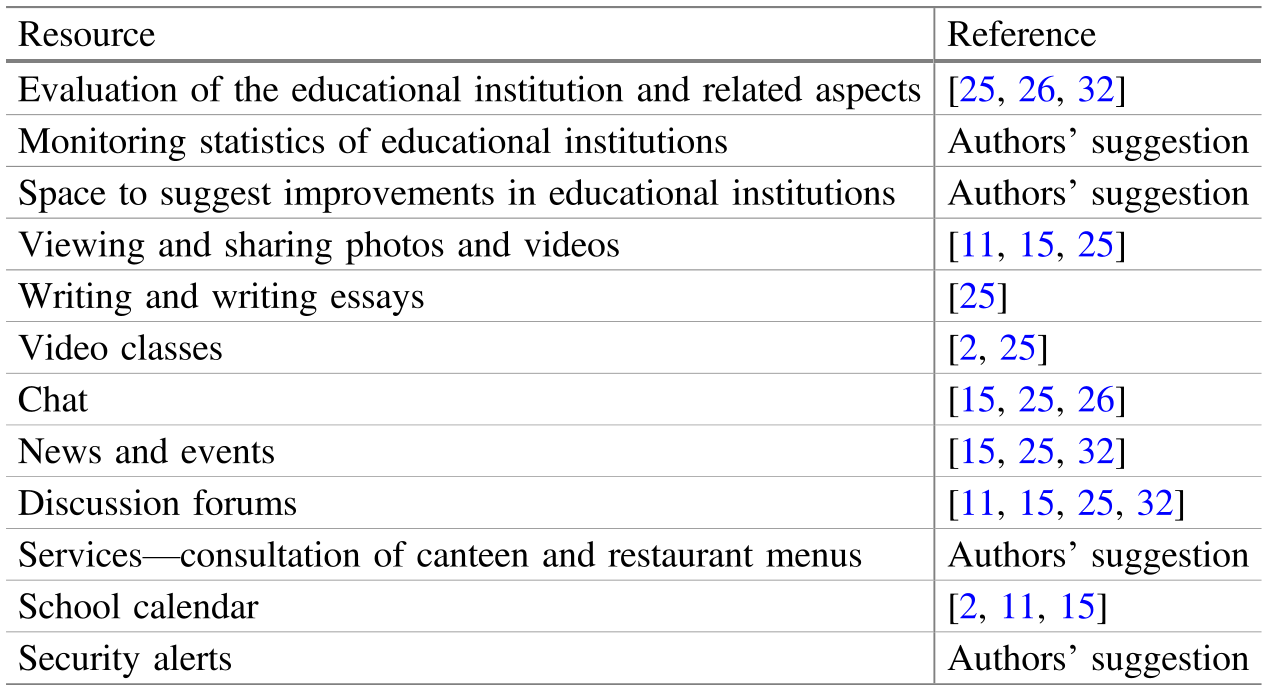 Figure 1: The initial catalog of resources derived from literature and author suggestions.
The Hierarchy of Student Needs
The results provide a clear roadmap for EdTech developers. The "killer features" are not social—they are functional.
- Grade Management: The "Consult of Grade" service was the highest-rated resource, emphasizing that information transparency is the core hook.
- Institutional Feedback: Students highly value spaces to suggest improvements to their universities, turning the social network into a governance tool.
- Content Delivery: Video classes and discussion forums remain the pillars of the learning process.
Interestingly, features that seem "local" or "convenient," like canteen menus, were largely ignored. This suggests that students view educational networks as workspaces, not lifestyle apps.
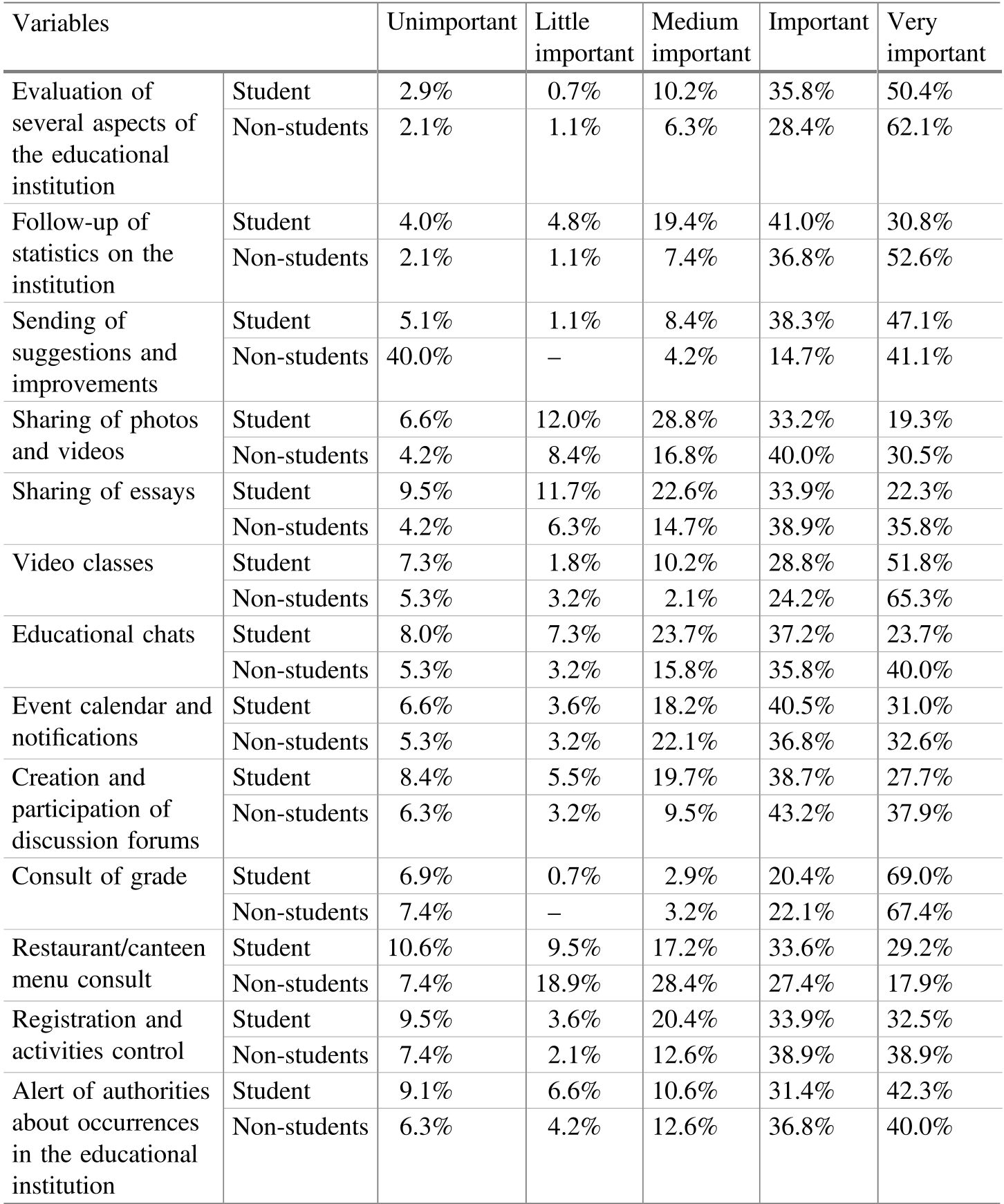 Figure 2: Statistical breakdown showing the divergence between Student and Non-student priorities.
Critical Insight: The "Interested" User Profile
The Discriminant Analysis (with a 99.2% correctness rate) highlighted that "Alerting authorities about incidents" and "Note queries" are the strongest predictors of whether a user will find the network valuable. This implies that a sense of security and academic standing are the two psychological anchors of a successful educational platform.
Conclusion & Future Outlook
The study concludes that for an educational social network to succeed, it must bridge the gap between a Virtual Learning Environment (VLE) and a communication hub.
Key Limitation: The study relies on self-reported survey data rather than observed behavior on a live platform. Future Work: The authors suggest expanding the sample to high school and technical students to see if these "utilitarian" desires hold true across different age demographics.
For developers, the message is clear: Stop building "Facebook for Schools" and start building "LinkedIn for Academic Productivity."