
The Carolina Framework: Bridging Clinical Assessment and Social Support for Special Needs Care
A social network framework for the Carolina soware
The paper introduces a specialized social networking framework integrated into the "Carolina" software, designed to support the Carolina Curriculum for Infants and Toddlers with Special Needs (CCITSN). By bridging the gap between medical assessment and social interaction, it creates a collaborative e-health ecosystem for doctors, therapists, and families.
TL;DR
This paper presents an innovative extension to the Carolina software, a web-based tool for tracking the cognitive development of children with special needs. By integrating an ad-hoc social networking framework, the researchers transformed a static medical recording tool into a dynamic ecosystem where families, doctors, and therapists can collaborate, share experiences, and provide real-time emotional and clinical support.
Background: The Limits of Clinical Isolation
The Carolina Curriculum for Infants and Toddlers with Special Needs (CCITSN) is a globally recognized protocol for monitoring children with disabilities. While the original Carolina software successfully digitized this protocol, it suffered from "clinical silos"—medical data was recorded at large intervals, and families felt isolated in the intervention process.
The researchers identified a crucial missing link: Interactivity. In the journey of neurodevelopmental support, the emotional state of the family and the shared experiences of peers are just as influential as the exercises prescribed by a doctor.
Problem & Motivation: Beyond the Data Gap
Existing systems prioritized "What" was happening (medical scores) over "How" it was being managed by the stakeholders. The primary pain points addressed were:
- The Communication Void: No mechanism for families to ask urgent questions between scheduled visits.
- The Emotional Isolation: Families couldn't connect with others facing similar developmental milestones.
- Delayed Intervention: Medical operators only saw progress (or lack thereof) during formal data entries, missing opportunities for timely adjustments.
Methodology: The Social Architecture
The authors proposed a multidimensional interaction model that serves as the "social soul" of the Carolina system. It operates on a three-tier architecture (Client, Application, and Data Tier) to ensure data integrity across Regional Local Health Departments.
Core Components of the Framework:
- Carolina Assessment Groups: Buddy-lists including both healthcare professionals and patients/families.
- Carolina Medical Groups: Reserved for professional collaboration between doctors and therapists.
- Horizontal & Vertical Interaction:
- Horizontal: Families sharing "experiential wisdom" with other families.
- Vertical: Direct communication channels between families and clinicians via Instant Messaging and Web Conferences.
 Figure 1: Conceptual overview of the social tools and services integrated into the Carolina network.
Experiments & Results: Real-World Scenarios
The framework was tested within the context of the Italian Regional Service Systems (ASL). In one specific scenario involving 50 families, the system demonstrated its agility:
- Immediate Feedback: When a child failed to achieve a specific skill, the family posted a request for assistance.
- Rapid Escalation: A medical operator responded by scheduling a web conference via the framework tools.
- Community Wisdom: Simultaneously, other families in the "Families Context" group shared their own experiences and advice on that specific developmental hurdle.
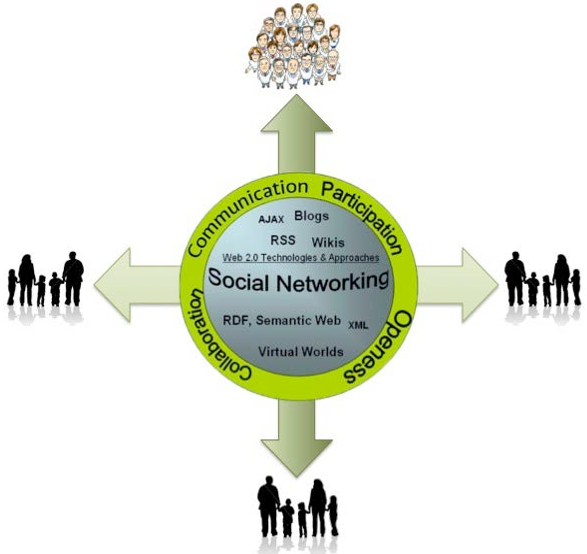 Figure 2: The user interface allows for the seamless sharing of scores, developmental items, and communication logs.
Critical Analysis & Conclusion
The "Wisdom of the Community"
The most profound insight from this work is the recognition of families as "experts in experience." While the doctor is the expert in the disease, the family is the expert in living with it. The Carolina framework dignifies this expertise by creating a platform where technical medical data and human experience coexist.
Limitations & Future Work
While the paper outlines a robust architecture, there are clear paths for future expansion:
- Privacy and Security: In 2012, medical data privacy (GDPR/HIPAA compliance) was evolving; modern versions would require advanced encryption and consent management.
- Automated Insights: The "automated selection of relevant information" mentioned could today be enhanced by LLMs or sophisticated recommendation algorithms to better match families in similar developmental stages.
Takeaway: The Carolina framework proves that healthcare software is most effective when it stops being a mere database and starts being a community. This model remains a blueprint for pervasive technologies in assistive environments.