
Socially-Aware P2P Streaming: Leveraging Friendship for Better Video Delivery
How Helpful Can Social Network Friends Be in Peer-to-Peer Video Distribution?
This paper introduces a socially-aware mesh-based Peer-to-Peer (P2P) video streaming framework that leverages Online Social Network (OSN) relationships to optimize content delivery. By implementing "Extended Neighborhoods" and "Priority Scheduling" for social friends, the system achieves significant service differentiation, prioritizing social peers over ordinary overlay members.
TL;DR
Can your Facebook or Twitter friends help you get a smoother Netflix-style experience in a decentralized network? This paper answers with a resounding "Yes." By redesigning P2P overlays to prioritize "friends" via extended neighborhoods and priority request queues, the research demonstrates that social nodes can be shielded from network congestion, enjoying higher throughput and lower delays than ordinary users.
Background: The Limits of Anonymous P2P
Standard Peer-to-Peer (P2P) video streaming (like the aging BitTorrent or GridMedia models) operates on a "pull-based" architecture. Peers advertise what chunks they have and request what they need. However, these systems treat every peer as a stranger. When the total upload capacity of the network drops below the required streaming rate—a condition known as an overloaded regime (σ < 1)—everyone suffers equally from buffering and lag.
The author's intuition is simple: Peers are more willing to help friends than strangers. By bringing Online Social Network (OSN) data into the P2P layer, we can create a "privileged" class of users who help each other first.
Methodology: Engineering Favoritism
The paper proposes two fundamental modifications to the traditional mesh-based P2P protocol:
1. Extended Neighborhoods
In a typical overlay, a peer has a fixed number of neighbors (e.g., 15). The author allows social peers to expand this. They keep their standard 15 neighbors but can add up to 40 additional neighbors—provided those neighbors are confirmed friends from their social network. This increases the probability of finding a peer who already possesses the required video chunk.
2. Social Priority Scheduling
This is the "Dual-Queue" mechanism. When a social node receives a request for a video chunk, it doesn't serve them in the order they arrived (FIFO). Instead:
- Queue A (Social): Requests from friends.
- Queue B (Ordinary): Requests from strangers.
Queue A is always served first. Requests in Queue B are only processed when Queue A is empty.
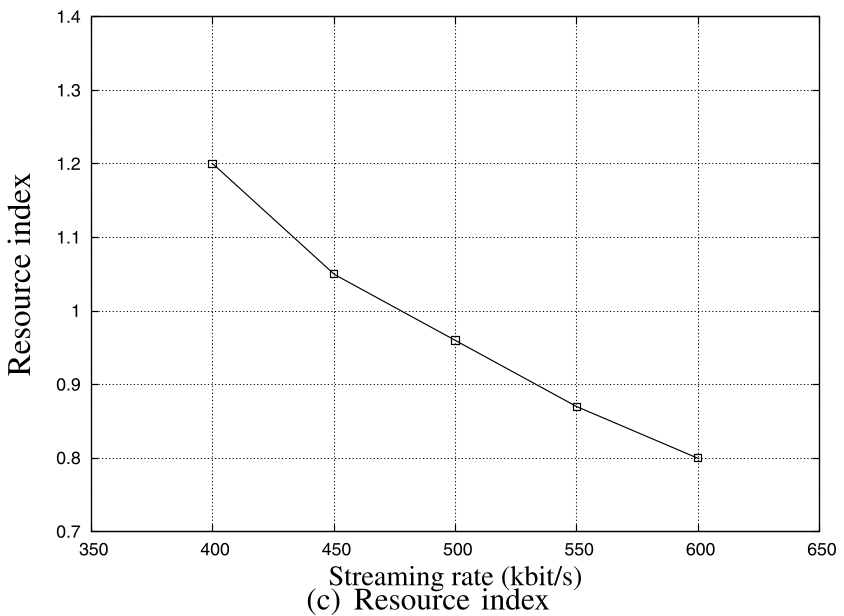 Fig 1. Performance metrics comparing Social vs. Non-Social peers under the Extended Neighborhood strategy.
Experimental Insights: The "Social Shield"
The simulations were conducted using a replica of GridMedia, a popular P2P TV system. The researchers integrated a social graph modeled after Flickr data to ensure realistic "cliquishness" among users.
Key Findings:
- Bandwidth Scarcity is the Test: When the system is "underloaded" (plenty of bandwidth), everyone performs relatively well. However, as the streaming rate increases and the Resource Index (σ) drops, the performance of ordinary peers collapses, while social peers maintain high delivery ratios.
- The Power of Priority: Priority scheduling is a much stronger lever than just increasing the neighborhood size. As shown in the comparison graphs, the delay for ordinary nodes spikes exponentially in congested states as they are forced to wait for social "friends" to be served first.
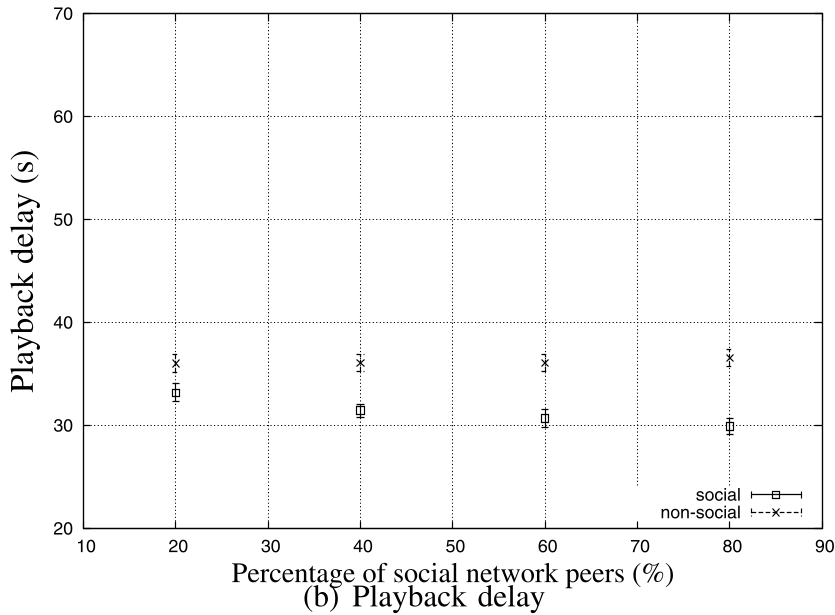 Fig 2. The drastic divergence in playback delay when Priority Scheduling is introduced.
Critical Analysis & Future Outlook
The primary takeaway is the concept of Incentive Alignment. By offering better performance to social network members (a "Differentiated Service Level"), the system creates a natural incentive for people to join the social community.
Limitations:
- The "Stranger's Tax": While social nodes benefit, ordinary nodes are significantly penalized. In a real-world deployment, if the percentage of social nodes becomes too high, the "stranger" experience might become so poor that users leave the P2P network entirely, reducing the total available upload bandwidth.
- Static vs. Dynamic: The study assumes a static overlay. In reality, peers join and leave (churn) constantly. How social bonds hold up under high churn remains an open question.
Conclusion
This work marks a shift from "flat" P2P architectures to "hierarchical" ones based on human relationships. In the future of decentralized content delivery, your social graph might be the most valuable asset you have for ensuring a buffer-free 4K stream.