
Digital Tribes and Creative Forms: How Social Networks Shape Flash Genres
Social Network and Genre Emergence in Amateur Flash Multimedia
This paper investigates the emergence of digital genres on Newgrounds.com, a prominent Flash multimedia portal, by integrating Social Network Analysis (SNA) with corpus-based quantitative genre analysis. The authors identify seven distinct social positions and six emergent genre clusters, demonstrating that a creator's position within a social network directly influences the stylistic and structural norms of the content they produce.
TL;DR
Using the iconic Flash portal Newgrounds.com as a laboratory, this study proves that digital genres don't just "happen"—they are forged by the social dynamics of the communities that create them. By analyzing over 8,000 user profiles and 160 Flash animations, the researchers found that an author's "clique" (social position) is a near-perfect predictor of the artistic style (genre) they adopt.
Background: The Social Void in Genre Studies
We often talk about "Internet culture" as a monolith, but look closer, and it's a series of warring tribes. Traditional academic research has long explored how genres like emails or blogs emerge, but they often treat "community" as a vague buzzword. This paper moves beyond anecdotes, using Social Network Analysis (SNA) to quantify how being part of a specific group—like the famous "Clock Crew"—actually dictates the "look and feel" of the media those users produce.
The Problem: Why Does Style Stabilize?
Why do thousands of creators suddenly start using the same abstract characters (like fruits with clock faces) or specific audio tools (like Speakonia computerized voices)?
The authors argue that existing methods focus too much on the What (the features) and the Why (the purpose) while ignoring the Who (the social structure). The pain point is clear: we cannot understand the evolution of a digital genre without mapping who is talking to—and competing with—whom.
Methodology: Mapping the Newgrounds Ecosystem
The researchers built a massive database using a "snowball sampling" method:
- SNA: They tracked "Favorite Flash Author" links to identify clumps of users with similar tastes.
- Genre Analysis: They coded 160 movies for 67 different features, including narrative style (e.g., "fight movies"), technical elements (e.g., "frame-by-frame"), and characters (e.g., "stick figures").
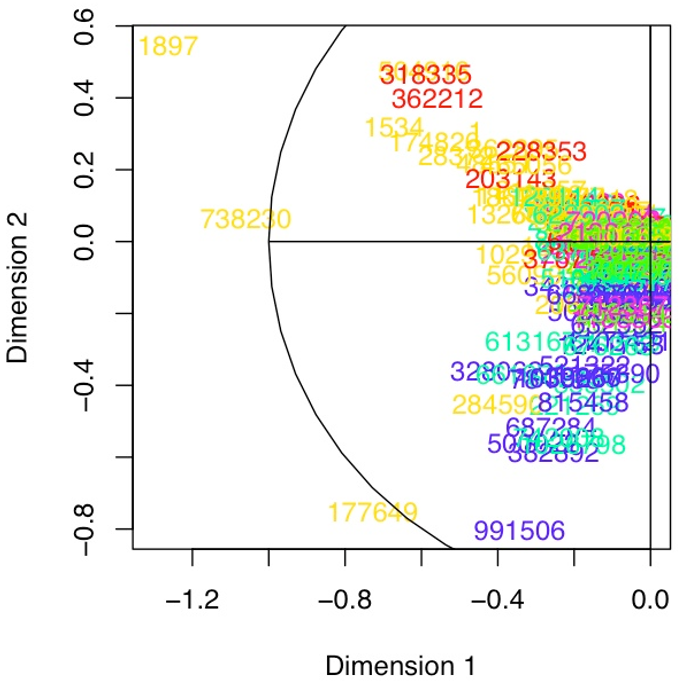 Above: PCA visualization showing distinct "spokes" or social positions within the Newgrounds community.
Key Insight: The "Avatar" vs. "Professional" Divide
The results revealed a fascinating split in the community values:
- The Professional Clique: Groups like "High Production" and "Tom Fulp & Co" focus on technical polish, voice acting, and cinematic camera work. Their genre is "High Production Value."
- The Social Clique: Groups like the Clock Crew and the Star Syndicate use Flash as a social tool. Their "Avatar Genre" (Clocks, Locks, Glocks) features lower production values but higher social significance. They use Flash to signal membership in a group or to "pwn" (humiliate) rivals.
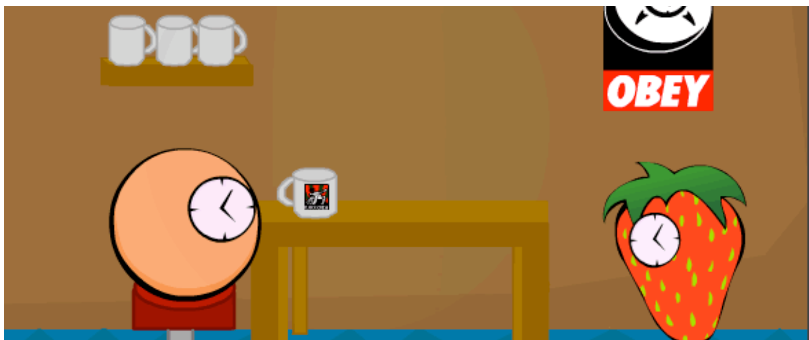 Figure 1: Traditional "Clock Crew" avatars—a prime example of an emergent genre driven by social positioning.
Experiments & Results: Correlation as Proof
The researchers mapped the genre features back onto the social network. The correlation was striking. As shown in the sociogram below, the Star Syndicate and Clock Crews form a tight "star" pattern of shared genre traits (like collaboration and menu use).
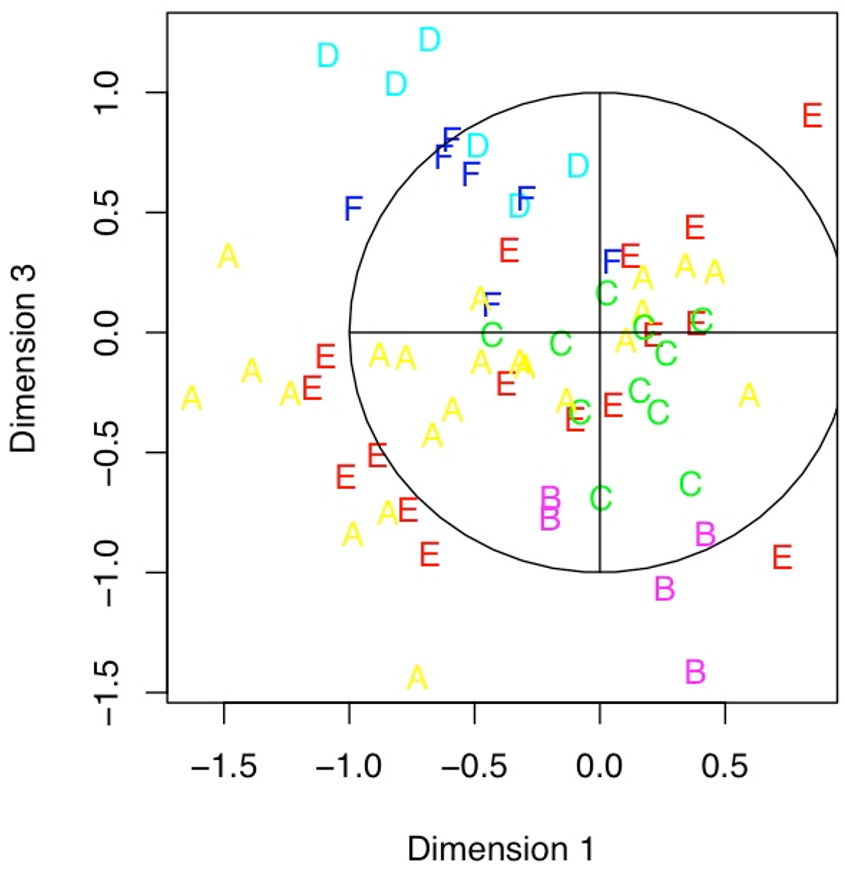 Figure 10: The visual proof that social groups (Stars, Older Clocks, Newer Clocks) share dense genre correlations.
Critical Analysis & Conclusion
Takeaway: The study proves that genres are "acts of social positioning." When the Clock Crew invented the "Clock Movie," they weren't just making a cartoon; they were creating a badge of identity to rebel against the site's "quality" standards.
Limitations: The data is a snapshot of 2005-2006. In the era of algorithmic feeds (TikTok/Reels), social positioning is often moderated by an AI recommender rather than direct "favorite" links.
Future Work: This methodology could be applied to modern "meme" evolution. By mapping the social networks of influential creators, we could predict which visual "slang" or editing styles will become the next stable genre of the 2020s.