
Social Network Sites: Bridging the Gap Between Informal and Formal Education
Social Network Sites and Their Use in Education
This paper provides a comprehensive literature review investigating the integration of Social Network Sites (SNSs) in higher education. By analyzing studies from databases like Web of Science and Scopus, it identifies how platforms like Facebook and YouTube enhance student engagement and bridge the gap between formal and informal learning.
TL;DR
Social Network Sites (SNSs) are no longer just for entertainment; they are transformative tools in the classroom. This study synthesizes global research to show that SNSs like Facebook significantly boost student engagement and peer collaboration, though they require new legal frameworks and pedagogical guidelines to mitigate risks like distraction and data security.
Problem & Motivation: The Engagement Gap
Modern educators face a persistent challenge: the "walled gardens" of traditional Learning Management Systems (LMS). While robust for grading, they often feel sterile and formal to students. The research intuition here is simple: if 90% of students are already on Facebook daily, why are we not meeting them where they are? The authors argue that the current disconnect between students' private digital lives and their academic requirements hinders the potential for "co-constructing" knowledge.
Methodology: Mapping the SNS Landscape
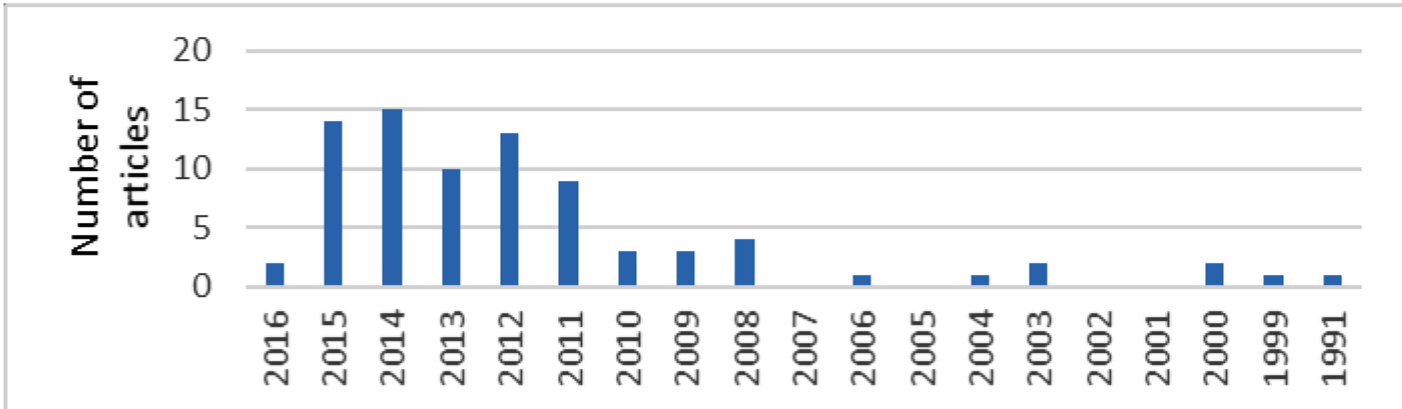
The authors performed a rigorous search across Web of Science, Scopus, Springer, and ScienceDirect, filtering down to seven core studies that provide empirical evidence on the role of SNSs in tertiary education.
The Core Research Framework
The paper categorizes the transition of SNS use from simple communication to a structured educational tool. It evaluates factors such as university policy, user behavior, and the specific role of social networks in daily academic communication.
Key Insights: Strengths vs. Weaknesses
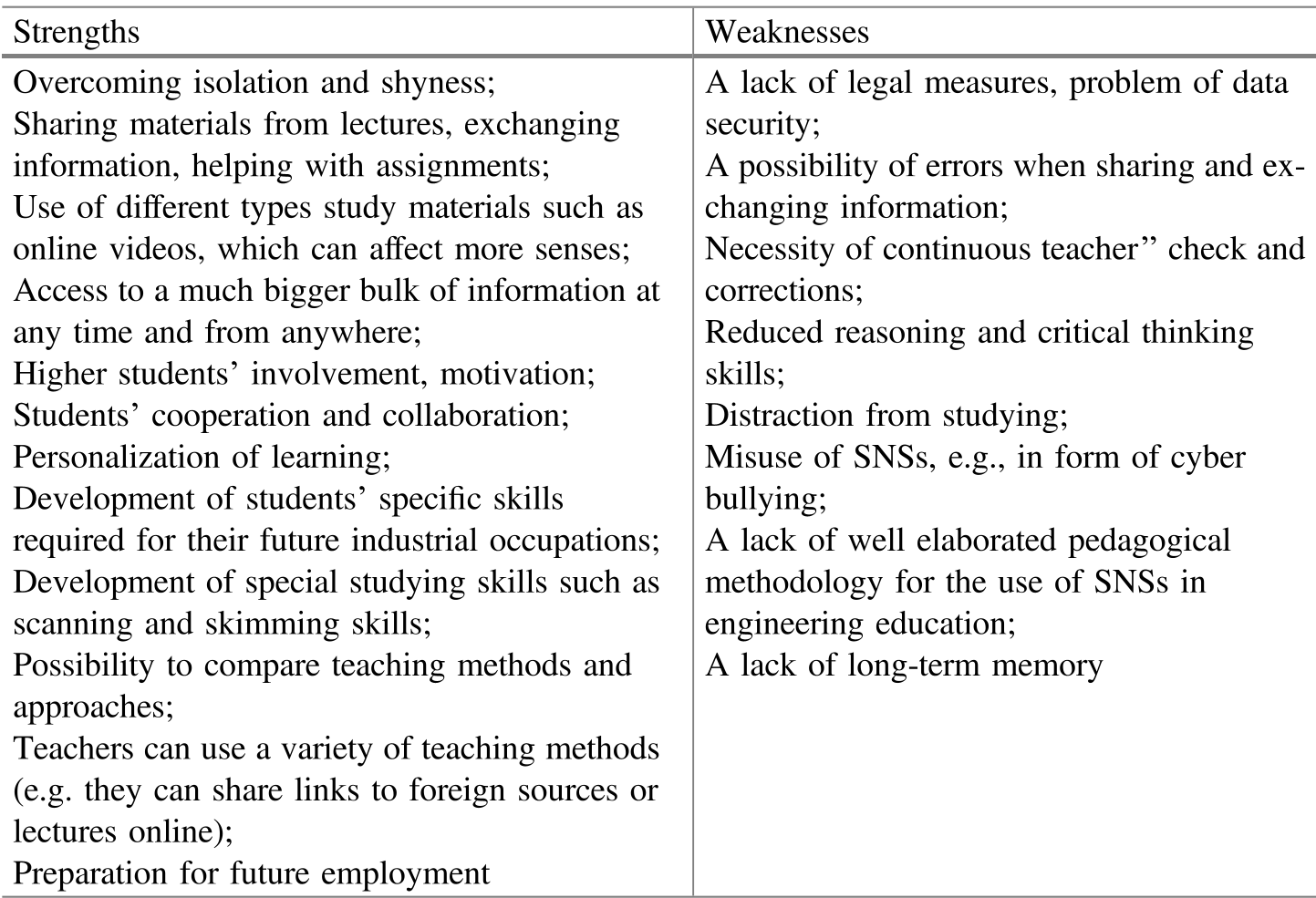
The paper’s most valuable contribution is the systematic breakdown of the trade-offs involved in "Social Pedagogy."
Why It Works (Strengths)
- Overcoming Isolation: SNSs allow shy students to participate in low-pressure environments.
- Resource Richness: The ability to share videos and links creates a multi-sensory learning experience.
- Future Readiness: Students develop digital literacy skills required for the modern workforce.
The Obstacles (Weaknesses)
- Cognitive Load: Distraction and reduced critical thinking ("skimming" instead of deep reading) are significant risks.
- Security Gaps: A lack of legal measures regarding data privacy remains a hurdle for institutional adoption.
Evidence of Success
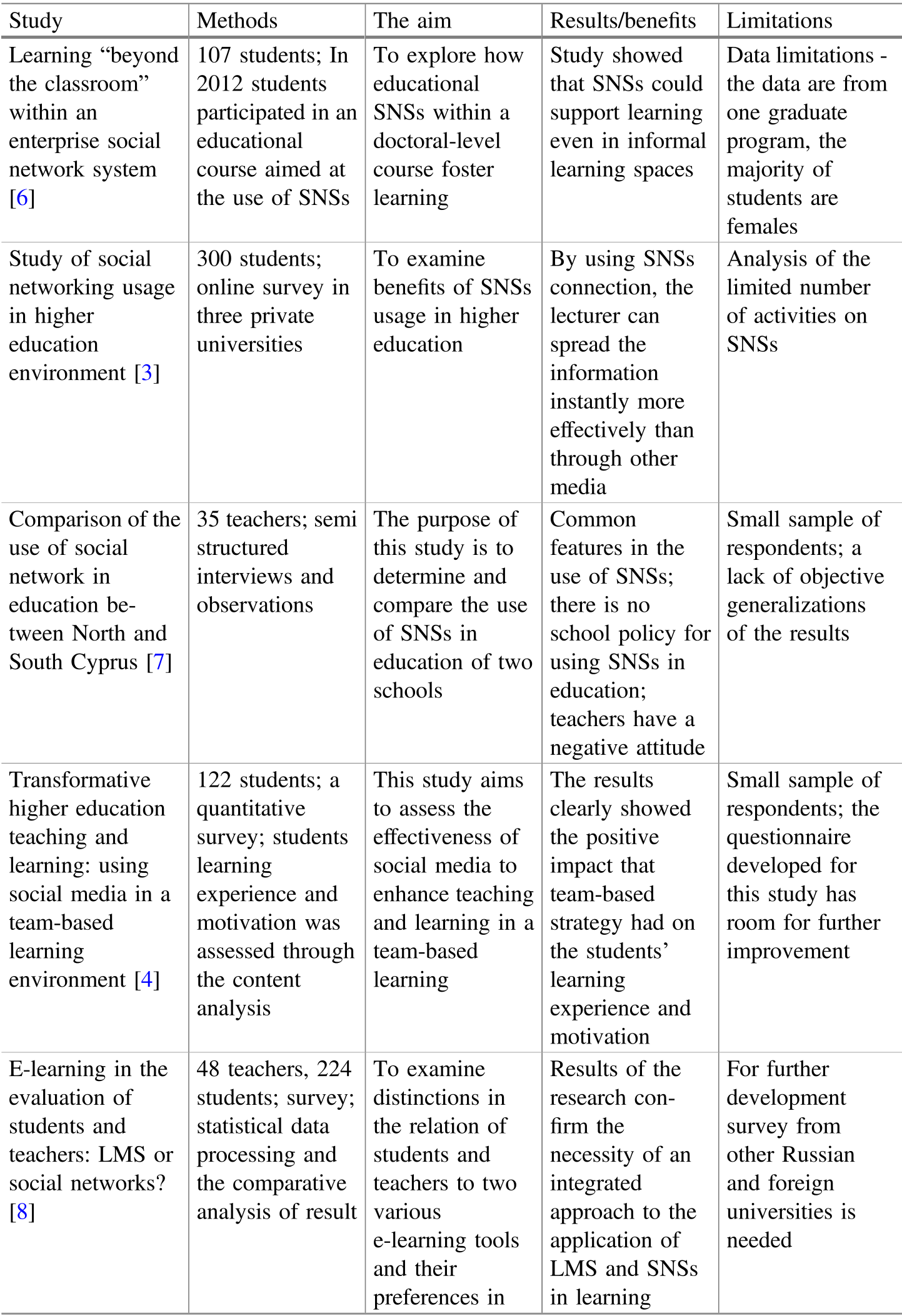
In one study cited (Ratneswary & Rasiah, 2014), team-based learning through social media showed a clear positive impact on student motivation. Another study at the University of Zilina found that over 50% of students were so dissatisfied with existing tools that they wanted a dedicated social network for their university.
Critical Analysis & Conclusion
Takeaway
SNSs are the "bridge" between the informal hallway conversations and the formal classroom lecture. This paper effectively argues that ignoring these platforms is no longer an option for modern engineering or higher education.
Limitations & Future Outlook
The primary limitation identified is the "identity building" vs. "learning" conflict. Students often use platforms for self-presentation rather than study. Future research must focus on Pedagogical Methodology—how can we design assignments that leverage the viral nature of SNSs without sacrificing the rigor of deep analytical thinking?
The industry should look toward integrated e-learning environments—hybrid spaces that offer the security of an institution with the "social stickiness" of a private network.