
SIoV & Big Data: Building a Trustworthy Brain for the Next Generation of Smart Vehicles
Social Networking and Big Data Analytics Assisted Reliable Recommendation System Model for Internet of Vehicles
The paper introduces a Social Networking and Big Data assisted recommendation model specifically designed for the Social Internet of Vehicles (SIoV). It combines PGP-based social trust mechanisms with Big Data analytics to ensure reliable information exchange and traffic management in smart vehicular networks.
TL;DR
As we move toward fully autonomous transportation, the Internet of Vehicles (IoV) is evolving into the Social Internet of Vehicles (SIoV). This paper proposes a dual-layer solution: a PGP-inspired social recommendation system to filter out malicious data, and a Big Data analytics framework to handle the massive influx of sensor data. The result is a system where vehicles don't just "see" each other; they "know" and "trust" each other.
Problem & Motivation: The Chaos of the Connected Road
Modern vehicles are essentially rolling data centers. However, the connectivity that enables smart traffic management also opens the door to chaos:
- The Data Surge: Thousands of sensors generate "Vi" (Volume, Velocity, Variety, etc.) data that traditional systems cannot process in real-time.
- The Trust Gap: How can a vehicle know if a "road blocked" message is real or a Sybil attack designed to clear the road for a malicious actor?
- Security Vulnerabilities: From GPS deception to "Wormhole" attacks, the cyber-physical nature of IoV makes it a high-stakes target.
The authors' key insight is that Social Network Analysis (SNA) can be mapped onto vehicular mobility. If vehicles behave like social actors, we can use reputation and acquaintance graphs to verify information.
Methodology: Social Trust Meets Big Data
1. The PGP-Based Social Recommendation Model
The paper adapts the Pretty Good Privacy (PGP) "Web of Trust" model for vehicles. Instead of relying on a central authority, trust is built through:
- Direct Acquaintances: Vehicles that have interacted reliably before.
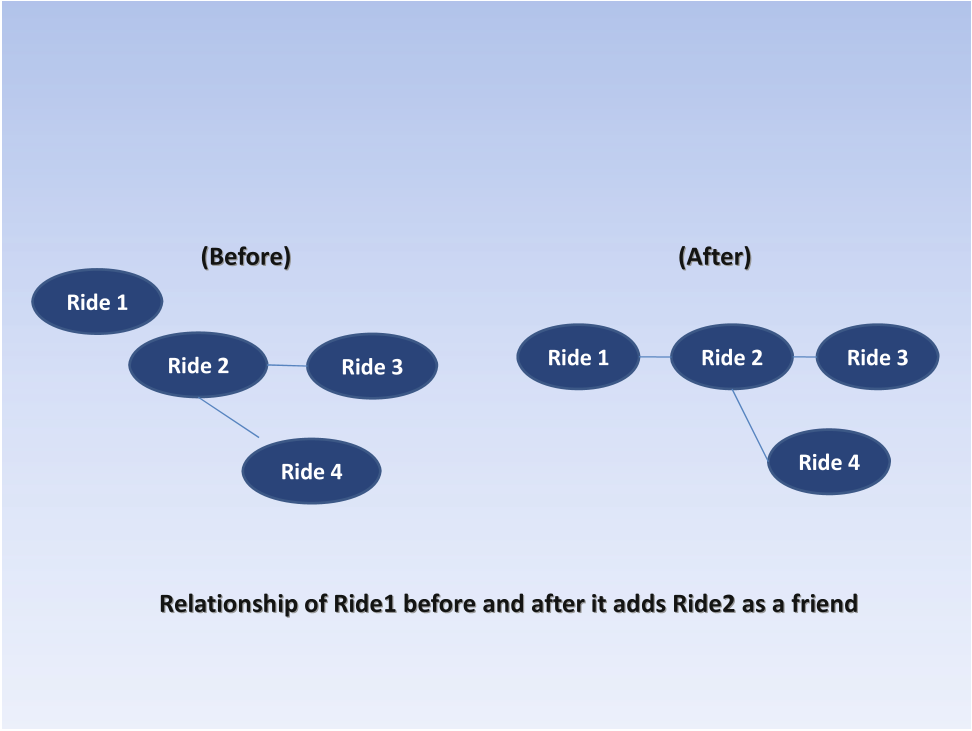
- Reputation Acquaintances: Users with indirect relationships. If Ride 1 trusts Ride 2, and Ride 2 trusts Ride 3, Ride 1 can assign a degree of trust to Ride 3.
- Validation Logic: A message is only "Reliable" if the sender is in the receiver's social network or has a significantly higher positive reputation than negative.
2. Big Data Analytics Framework
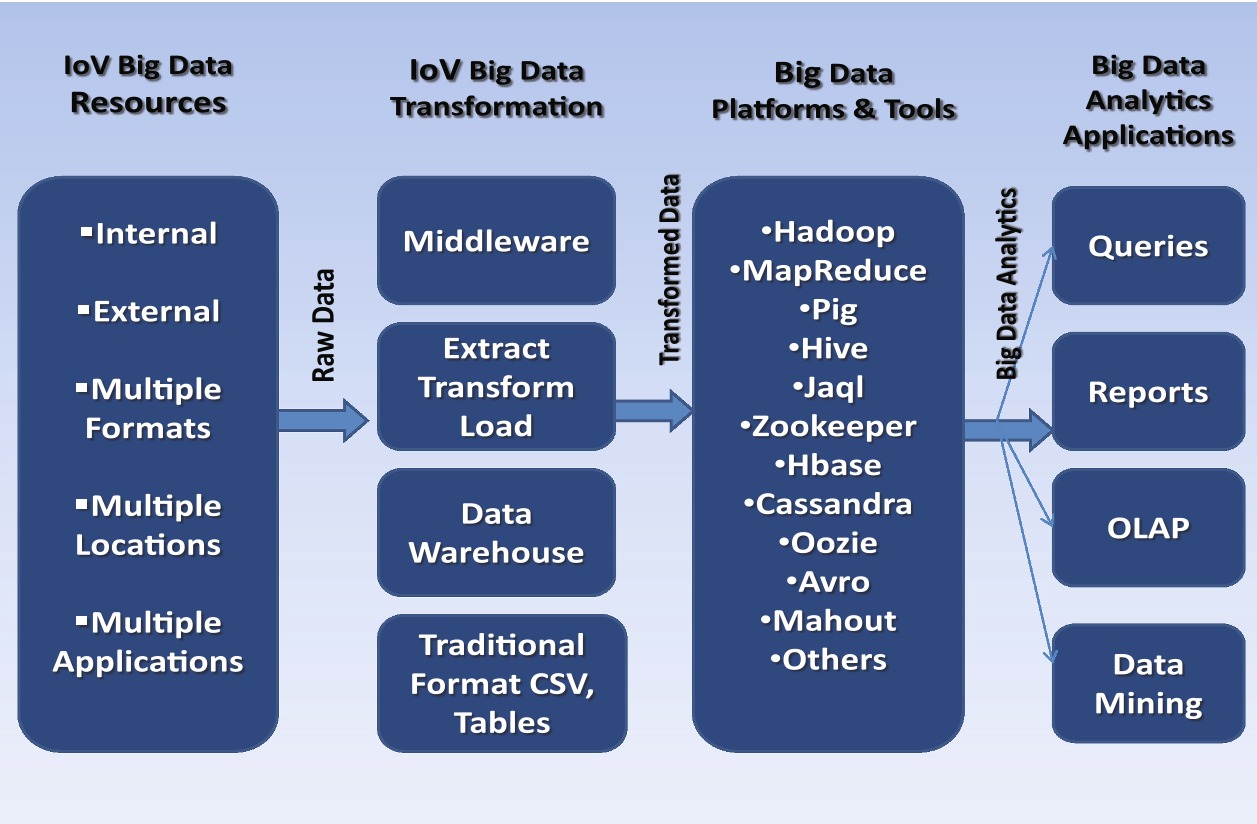
To make the SIoV "intelligent," the authors propose a three-step Big Data pipeline:
- Pre-processing (ETL): Extracting, Transforming, and Loading raw sensor data.
- Analytics: Using distributed processing to handle high-dimensional, non-linear vehicular data.
- Application: Generating future predictions, such as real-time congestion reports and sentiment analysis of social vehicle data.
Evaluation: Mitigating the STRIDE Threats
The paper provides a comprehensive analysis of how the proposed SIoV model stands up against common attacks:
- Sybil Attacks: By linking reputation to social identity, it becomes harder for one node to fake multiple identities effectively.
- False Message Injection: The social verification step (checking against the "follower-list") ensures that outliers sending fake traffic reports are ignored.
- Data Authenticity: The use of self-liked pages and PGP-based certification ensures messages aren't tampered with during transit.
| Aspect | Traditional IoV | Proposed SIoV Model |
|---|---|---|
| Trust Source | Infrastructure-based | Social/Peer-to-peer reputation |
| Data Handling | Centralized/Reactive | Big Data/Predictive |
| Attack Resilience | Low (Vulnerable to Masquerading) | High (Collusion-resistant via SNA) |
Critical Insight & Future Outlook
The true value of this work lies in the convergence of Cyber-Physical Systems (CPS) with Social Theory. By treating a car not as a lone machine but as a node in a "friendship graph," we can leverage established graph theory concepts (like Centrality) to optimize information flow.
Limitations: The model assumes a certain level of "social" consistency in driving routes. In highly irregular traffic environments, the "acquaintance" build-up might be too slow to be effective.
Future Work: The authors aim to integrate Sentiment Analysis into the Big Data pipeline. Imagine a car that can "feel" the frustration of a traffic jam through social signals and reroute its neighbors before the congestion even appears on a map. We are moving toward a world where your car isn't just a transport tool—it's a reliable social advocate.