
Beyond the Forum: How Social Networking Revitalizes Virtual Communities of Practice
Integrating social networking support for dyadic knowledge exchange: A study in a virtual community of practice
This study investigates the integration of social networking support into forum-based Virtual Communities of Practice (VCoP), proposing a theoretical model based on Social Capital Theory and Transactive Memory Systems. Using a longitudinal field study, the authors demonstrate that social technology significantly boosts dyadic knowledge exchange among members through improved relationship management.
TL;DR
Many organizations struggle with "ghost town" knowledge management systems where users rarely interact. This study proves that integrating social networking features—specifically friend lists and personal profile feeds—into traditional forums drastically increases the birth, intensity, and survival of knowledge exchange. By leveraging Social Capital and Transactive Memory, communities can transform a collection of threads into a living network of experts.
The "Theme-Oriented" Trap
Traditional Knowledge Management Systems (KMS) and forums are built on a flawed premise: that knowledge is a findable object. While these systems excel at categorization, they fail at the human element. Users often hesitate to ask questions because they feel a lack of "relational capital"—the social trust required to bother an expert. As a result, many ties in these communities remain "weak" and eventually break.
Methodology: The Architecture of Connection
The researchers analyzed Logclub.com, a major logistics VCoP, during a staged roll-out of social features. They focused on three specific dimensions of dyadic (one-to-one) exchange:
- Birth Rate: Probability of strangers starting to share.
- Activeness: Frequency of ongoing communication.
- Death Rate: Probability of a relationship going silent.
The Conceptual Framework
By integrating social networking, the system addresses two psychological pillars:
- Social Capital: Friend lists provide a "bookmark" for experts, establishing structural and relational capital.
- Transactive Memory System (TMS): Knowing "who knows what." Profiles allow users to see a friend's history in one place, reducing the cognitive load of finding the right person for a specific task.
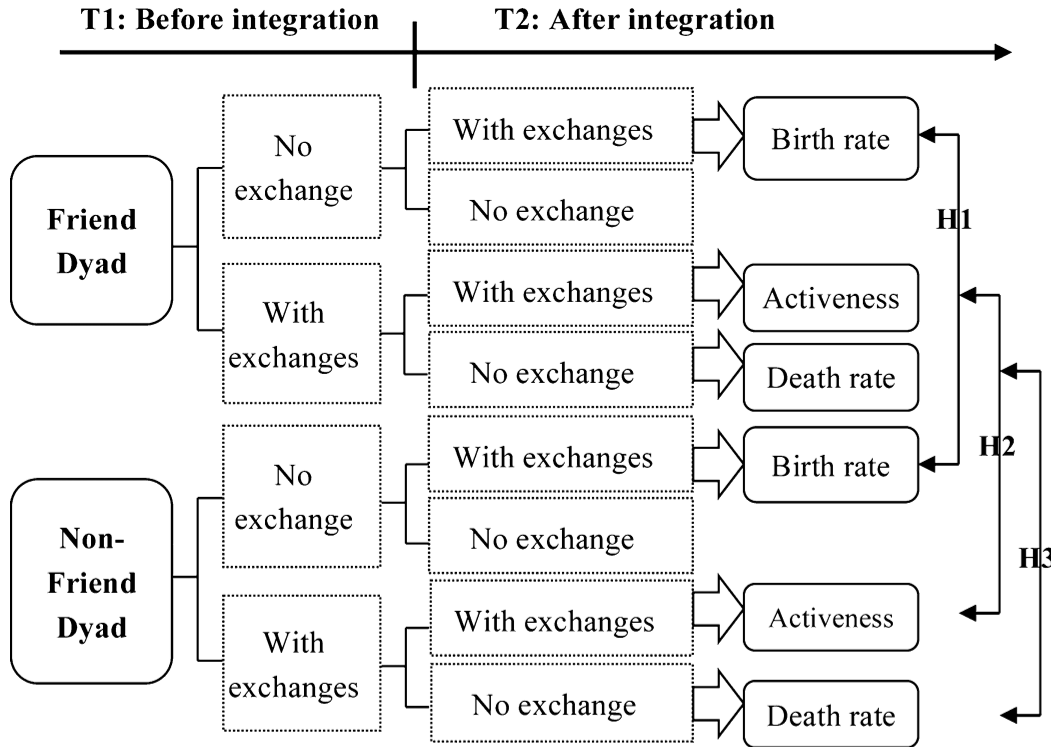 Figure 1: Research model illustrating how integration affects the lifecycle of knowledge exchange.
Empirical Results: Hard Data on Social ROI
Using a Difference-in-Differences (DID) Poisson Regression, the study compared "Friend Dyads" (those who added each other) against "Non-Friend Dyads" before and after the social features were integrated.
Key Findings:
- The Spark: Friend dyads were significantly more likely to initiate their first exchange post-integration than non-friends.
- The Flame: For those already talking, the integration acted as a catalyst. The intensity of exchange for friend dyads increased by a factor far exceeding the control group.
- The Survival: The "death rate" of exchange relationships plummeted. In traditional forum settings, 97% of dyads eventually stopped talking; with social support, this was reduced to 58%.
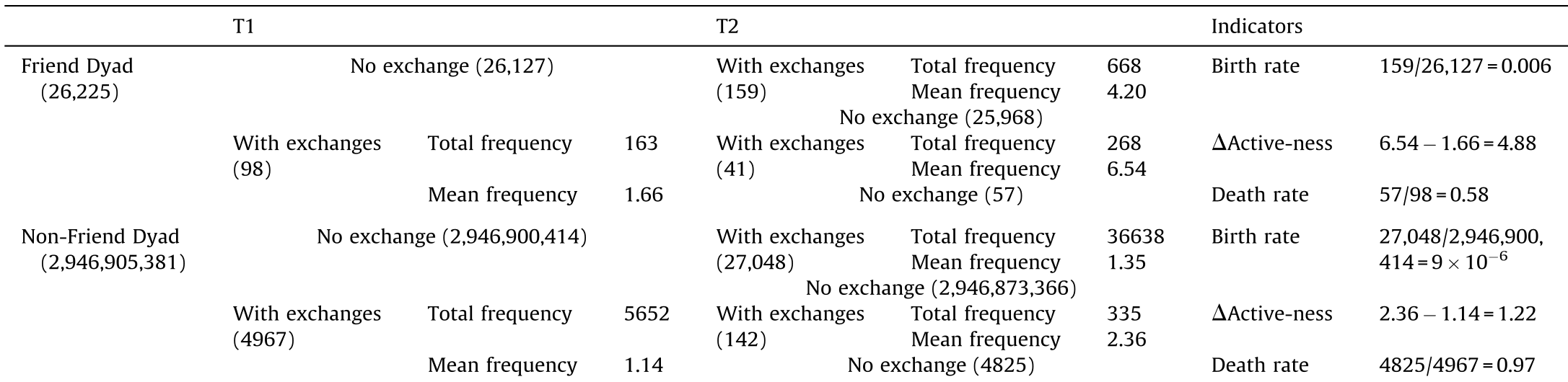 Table 1: Comparative statistics showing the dramatic shift in birth and death rates.
Deep Insight: Why Does It Work?
The study suggests that visibility is the key. In a traditional forum, your interaction is buried in a thread. In a social-integrated VCoP, your interaction is a "signal" on a profile.
- Lower Search Costs: Your friend list is a curated pool of expertise.
- Reciprocity: Seeing a friend’s update creates a social "nudge" to provide feedback or support, strengthening the relational bond.
- Maturation Control: The authors cleverly controlled for "maturation effects"—meaning the increase wasn't just because users got older or more experienced, but specifically because the technology enabled social discovery.
Conclusion & Practical Takeaways
This research moves beyond the "build it and they will come" mentality of IT. To foster a truly collaborative environment:
- Invest in Relational Tools: Don't just build better search engines; build better "Expert Finders" and social bookmarks.
- Profile-Centric Architecture: Allow users to see the person behind the post. Identity verification and activity feeds turn "content" back into "conversation."
- Measure Lifecycles: Use birth and death rates of dyads, rather than just raw "Page Views," to judge the health of your community.
The bottom line: Technology must support the social process of knowing, not just the storage of what is known.