
Social Networking: The Missing Link for Adaptive Business Networks
Social networking technologies to implement adaptive business networks
This paper proposes a framework to implement Adaptive Business Networks (ABN) by leveraging social networking technologies. It introduces a multi-layered architecture and a phased implementation roadmap to transform traditional, rigid organizational structures into flexible, demand-driven collaborative systems.
TL;DR
Modern organizations are moving away from rigid hierarchies toward Adaptive Business Networks (ABN)—customer-driven systems that pivot based on market demand. However, implementing these networks is notoriously difficult due to unstructured data and communication silos. This paper argues that social networking technologies are the ideal vehicle to provide the "loose coupling" and real-time agility required for these next-generation business models.
Background: Why "Business as Usual" is Failing
Traditional supply chains and business networks were built for stability, not speed. In today's volatile market, these models suffer from:
- The Bullwhip Effect: Small fluctuations in demand causing massive inefficiencies upstream.
- Rigid Partnerships: High costs of entering or exiting business relationships.
- Information Asymmetry: Crucial knowledge trapped in unstructured formats or siloed departments.
The authors argue that the solution isn't just better software, but a change in the topology of the network—moving toward a Service System where humans, technology, and organizations co-create value.
The Core Insight: ABN through a Social Lens
The paper defines an Adaptive Business Network through four pillars: Adaptability, Learning, Agility, and Collaboration. The researchers' key contribution is mapping these organizational needs directly to the features of social networks.
The Learning Process
Visibility leads to sensing, which leads to responding. The authors posit that "Collective Intelligence"—a hallmark of social platforms—is the engine that powers this cycle.
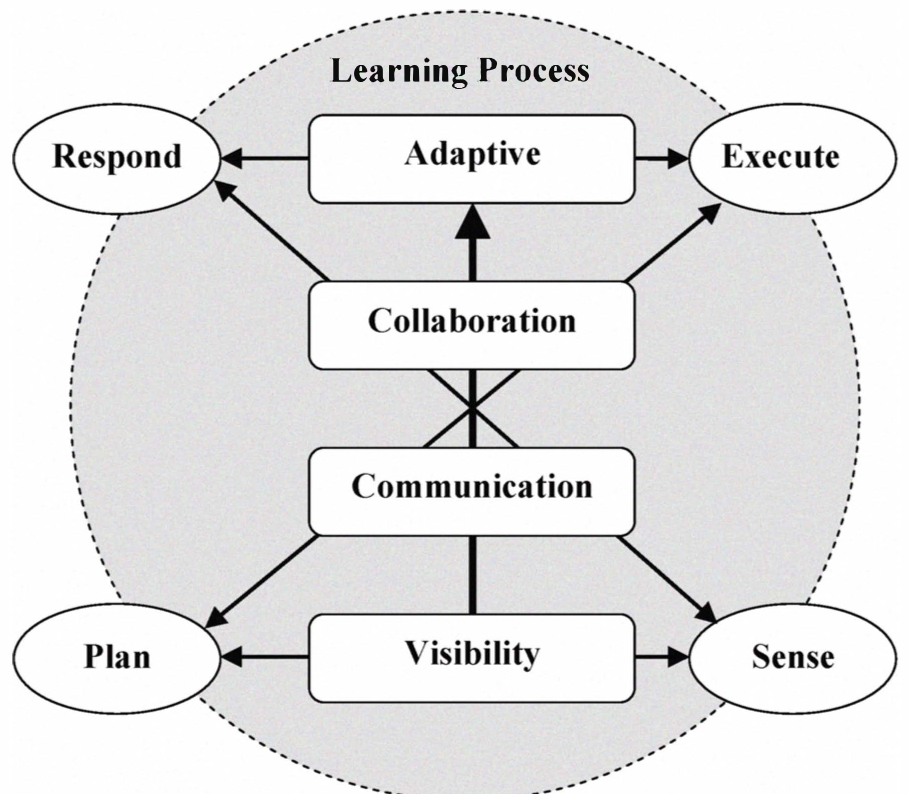 Figure 1: The transition from sensing (planning) to responding (execution) via collective intelligence.
Methodology: Implementation Architecture
The proposed architecture bridges ABN operations (Sense, Planning, Execute, Respond) with Social Networking activities:
- Connectivity: Allowing for rapid "pick, plug, play, and disperse" partnership models.
- Networking: Creating a comprehensive, up-to-date resource base.
- Interaction: Using multi-channel, real-time communication to flatten the information hierarchy.
- Integration: Merging social interaction with business processes to ensure user retention and stable platforms.
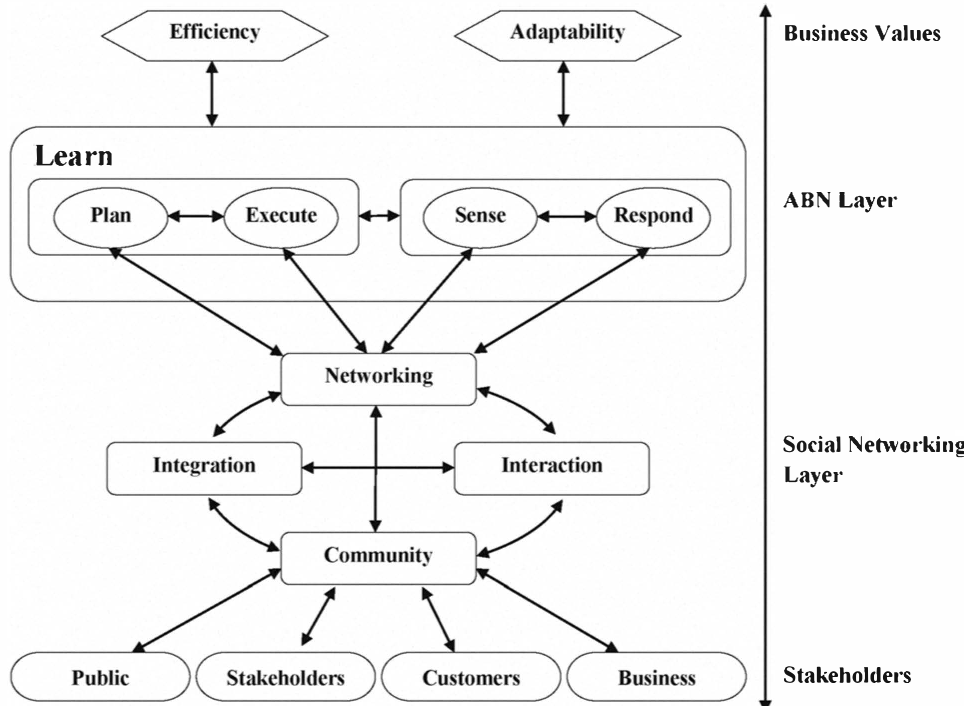 Figure 2: The conceptual interaction between social technologies and business operations.
A Roadmap to Maturity
The authors recognize that a "big-bang" implementation is unrealistic. They propose a 5-level Roadmap:
- Level 0: No social integration (Status Quo).
- Level 1: Exposing business processes via social tools.
- Level 2: Sensing the environment through social feedback.
- Level 3: Taking action based on social intelligence.
- Level 4: Full integration where partners participate in the planning phase.
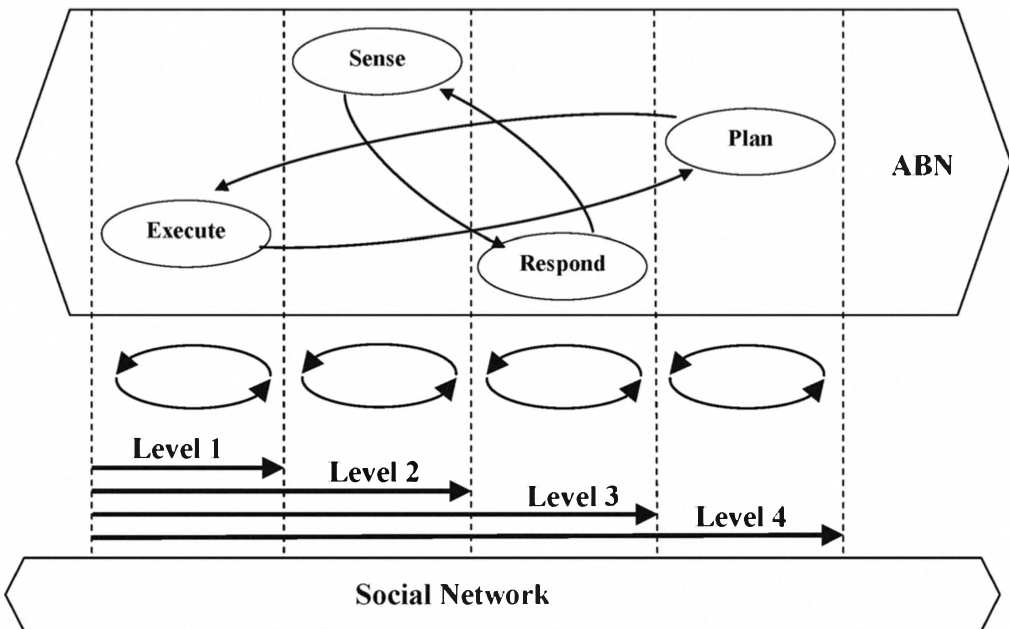 Figure 3: Phased approach to achieving social-business integration.
Critical Analysis & Conclusion
The true value of this work lies in the concept of "Social BPM." While Traditional Business Process Management is often viewed as a "top-down" engineering task, Social BPM suggests a "bottom-up" evolution where the network adapts organically.
Limitations: The paper is primarily conceptual. While it cites examples like Amazon and LinkedIn, it lacks a specific case study of a deep-tier manufacturing ABN using these social tools for real-time production adjustment.
Future Outlook: As we move toward 2026, the integration of AI-driven social agents into these networks could further automate the "Sense and Respond" cycle, making business ecosystems as responsive as a viral social media thread.