
Digital Rituals: Decoding the Social Network Impact on the Classroom
The influence of social networks on communication in the classroom
This paper investigates the prevalence and impact of social networks, focusing on Facebook, among elementary school students in Croatia. Through a survey of 189 students (aged 11-14), it explores digital communication habits, privacy concerns, and the resulting interference with academic and social obligations.
TL;DR
Social networks are no longer just "web services"; they are fundamental social architectures. This study examines elementary students in Croatia (ages 11-14) to reveal a startling reality: nearly all students are active on social media—many starting before the legal age of 13—and a significant majority are bringing these digital interactions directly into the classroom, potentially undermining traditional academic focus.
Problem & Motivation: The New Social Infrastructure
In the early 2010s, the "social network" transitioned from an optional interest-group platform to what the authors call a "daily ritual." The primary pain point identified is the disconnect between the rapid adoption of these platforms by minors and the awareness of the consequences by the adults (parents and teachers) guiding them.
Western sociological frameworks often treat social networks as a "web of connections," but for a child in a classroom, these networks represent a new form of "social growth" that competes directly with homework, chores, and face-to-face socialization. The motivation for this study was to quantify this competition: how much "useful time" is being diverted to virtual reality?
Methodology: The Sociometric Pulse
The researchers surveyed 189 students across 17 classes at Elementary School Eugen Kvaternik. They looked beyond simple usage stats to explore the sociometry of the classroom—how popularity is now measured by "friend counts" (often exceeding 150-800 friends) rather than genuine social bonds.
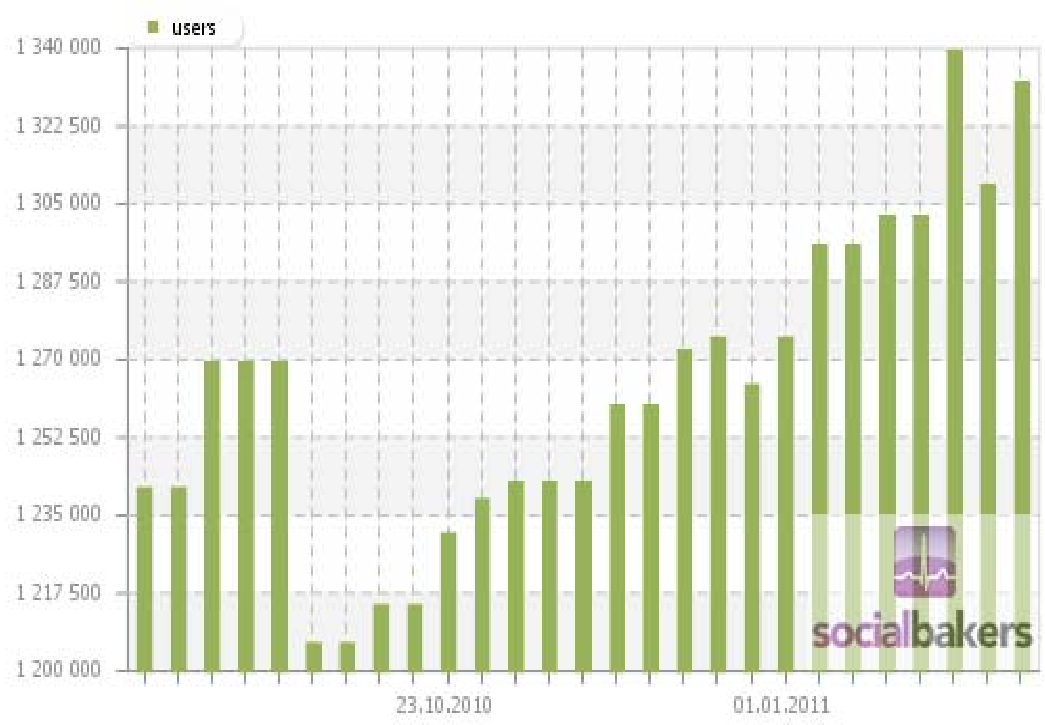 Graph: Age distribution of Facebook users in Croatia, highlighting the young demographic peak.
Key Findings: The "Classroom Leak"
The data reveals several critical insights into the modern student experience:
- Academic Interference: 66% of students use Facebook while in class. This lack of concentration poses a significant challenge to the teaching process and overall pass rates.
- Early Adoption: Despite Facebook’s age 13 requirement, a vast majority of students are active by age 11, indicating a widespread neglect of service terms.
- The Popularity Metric: Over 70% of students have more than 150 friends. In the school ecosystem, the number of digital "friends" has become a direct indicator of personhood and status in the physical classroom.
- The Safety Gap: While 60% worry about privacy, 20% still add complete strangers, posing a significant risk of manipulation by malicious individuals.
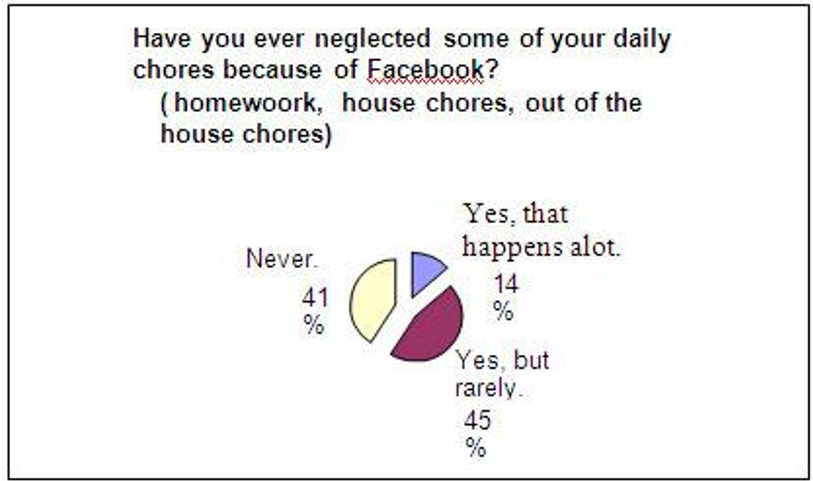 Graph: While Facebook dominates, the ecosystem includes MSN, Twitter, and MySpace, increasing the total time spent in virtual reality.
Critical Analysis: Beyond the Screen
The most profound takeaway is that social networks have become a "no way around" element of modern childhood. The authors argue that this shift has led to a negative correlation between time spent in digital networks and social contacts outside of them.
Limitations
The study acknowledges that the sample is not fully representative of all demographics and is geographically limited to one school in Croatia. Furthermore, the reliance on self-reporting in surveys might lead to under-reporting of "negative" behaviors or addiction-like symptoms.
Future Outlook
The paper advocates for a systemic shift in education. Lectures on "social media safety" shouldn't be elective; they must be integrated into the core curriculum. As mobile devices continue to "impose" connectivity via smartphones, the boundary between the "classroom" and the "global network" will continue to blur, requiring teachers to move from gatekeeping to guiding digital interactions.