
Predicting the Unspoken: Mapping Digital Fingerprints to Human Psychology
Application of social networks users digital fingerprints to predict their information image
The paper introduces a cross-disciplinary approach to predict a user's "information image"—demographics and psychological traits—by analyzing digital footprints from the Vkontakte social network. By combining Microsoft Azure's machine image analysis with traditional psychodiagnostic testing, the authors identified significant correlations between social media metadata (avatars, likes, posts) and real-world personality structures.
TL;DR
Can your profile picture reveal your core values or education level? This study explores the "Information Image"—a digital mirror of our psychological selves created by our social media footprints. By combining Microsoft Azure’s AI vision tools with classic psychological testing, researchers found that the way we represent ourselves online (avatars, friend counts, post frequency) is a statistically significant predictor of our gender, age, and internal value systems.
Background & Positioning
In the era of "big data," every like, selfie, and comment leaves a permanent trace. While companies use this for ads, this research shifts the focus to Electronic Governance and Psychology. It positions itself as a bridge between behavioral science and machine learning, moving beyond simple demographic prediction (age/sex) to mapping internal constructs like Maslow’s hierarchy of needs and Schwartz’s value orientations.
The Core Challenge: Reading Between the Pixels
Social interactions have moved online, but traditional psychological tools haven't kept pace. Prior research proved that "likes" could predict private traits, but this paper argues that visual fingerprints (avatars) are underutilized. The challenge lies in translating a random JPEG of a person or a landscape into a structured data set that reflects their "Self-attitude" or "Need for Security."
Methodology: High-Tech Meets Psychodiagnostics
The researchers utilized a two-pronged approach to find the hidden links between the digital and the physical:
- Psychological Profiling: Users were administered a complex battery of tests (Schwartz, Maslow, Panteleev) to establish a "ground truth" of their personalities.
- Machine Vision Extraction: Using the Microsoft Azure Cloud Service, the team analyzed user avatars to extract objective data such as:
- Emotions: Anger, surprise, contempt, or neutral expressions.
- Objects: Does the user pose with a car, a flower, or a minimalist logo?
- Sub-clusters: The researchers identified 5 semantic clusters ranging from "Fashion/Portrait" to "Nature/Outdoor" to categorize visual preferences.
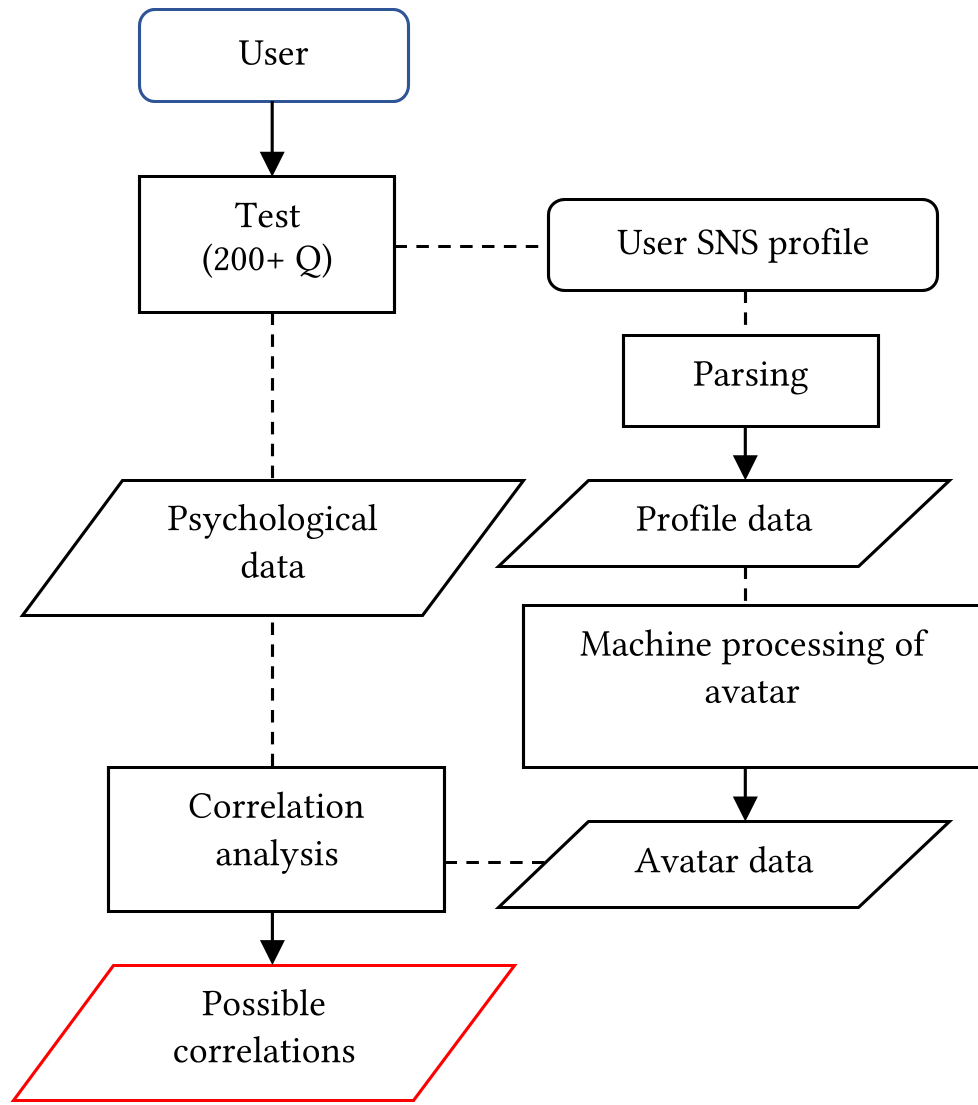 Figure 1: The dual workflow of psychodiagnostic testing and automated digital footprint parsing.
Key Insights: What Your Profile Says About You
The team used Kruskal-Wallis tests to find significant differences across groups. The results are striking:
- Gendered Images: Women tend to use more social networks and focus on "sub-cluster 5" tags (Fashion, Smile, Personal Face). Men, conversely, post more video content and use more "sub-cluster 4" tags (Design, Logo, Minimalist).
- The Education Indicator: Users with higher education have avatars with significantly more subject tags. This suggests a more "established social identity," where they present themselves through socio-cultural objects rather than just "selfies."
- The Psychological Link: Users displaying "Anger" or "Surprise" in avatars often correlate with a higher internal need for security and self-blame. Those seeking "Power" were statistically more likely to use avatars showing "Contempt" while being more open about their close relationships.
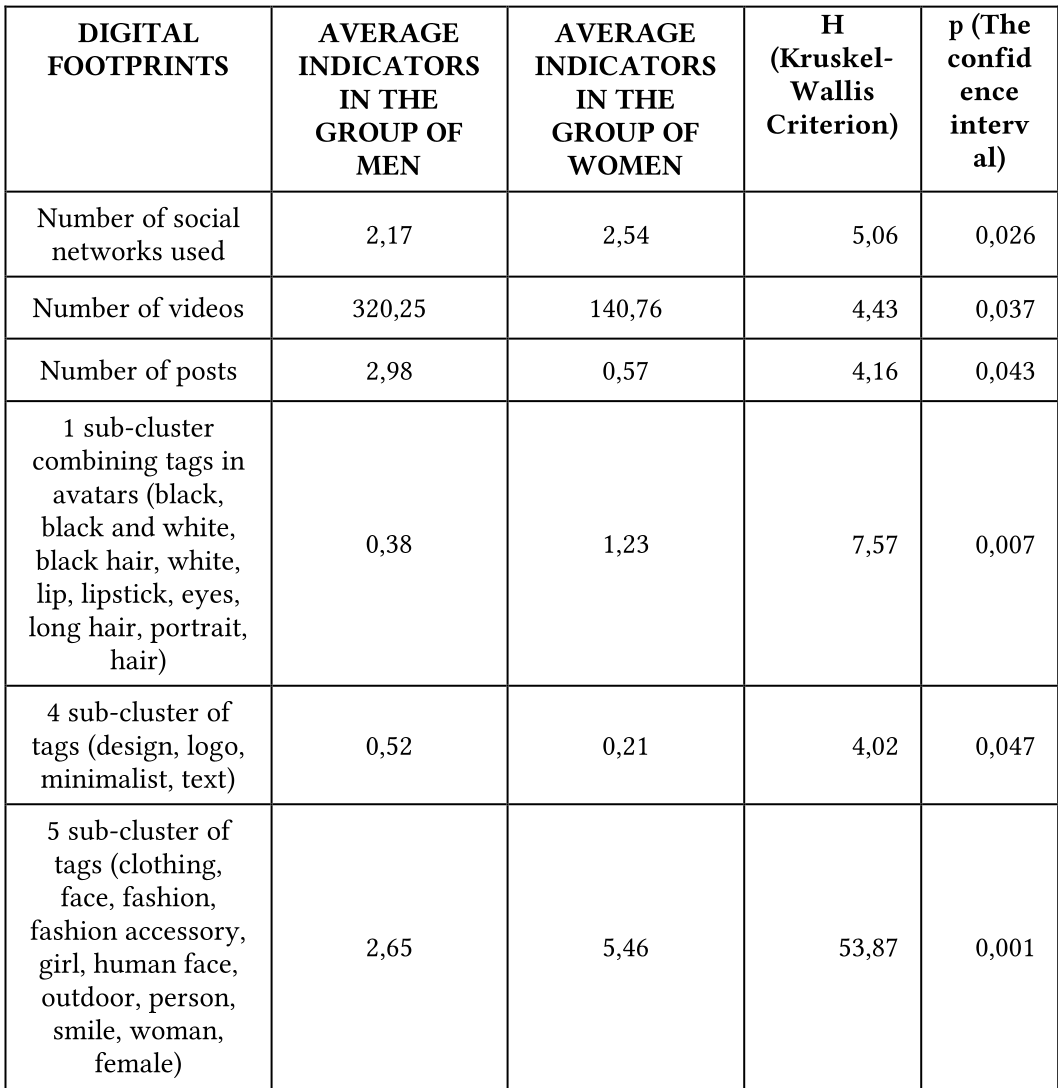 Table 1: Significant differences in digital footprints between male and female users.
Critical Analysis & Future Outlook
The study’s leverage of Azure's computer vision adds a layer of objectivity that previous "text-only" social media studies lacked. However, the sample size (180 users) is relatively small for a "Big Data" claim, and the focus on a single network (Vkontakte) may introduce cultural bias.
Future Work: The authors aim to expand the sample size and delve deeper into "qualitative content" analysis. The implications are clear: your digital footprint is no longer just for marketers. In the future, your avatar might help a bank decide your creditworthiness or a recruiter assess your organizational "fit" before you even walk into the interview.
Conclusion
This work confirms that our "Information Image" is not a random collection of data but a structured reflection of our psyche. As AI vision becomes more sophisticated, the line between our online persona and our real-world identity continues to blur, offering both incredible opportunities for automated psychological consulting and significant challenges for digital privacy.