
Beyond the Stereotype: How Social Networks Shape the Lives of Female Engineering Students
The role of social networks on female students activities
This paper investigates the internet usage patterns of female students at a premier Indian technical institute, focusing on the impact of Social Networks (SN). Utilizing Web Usage Mining (WUM) on proxy server logs, the study correlates digital behavior with academic programs and performance (CPI).
TL;DR
Contrary to the "distraction" narrative, a study of female engineering students in India reveals that Social Networks (SN) are a primary digital habitat, even during high-stakes examination periods. By mining proxy server logs, the research demonstrates that high-performing students are often the most active social media users, utilizing these platforms for community building and stress relief.
Background: The Digital Minority
In technical institutions where female students are often in the minority, the internet serves as more than just a research tool—it is a bridge to a broader social world. This paper, presented at A2CWiC '10, seeks to move beyond anecdotal evidence by using Web Usage Mining (WUM) to quantify exactly how these students navigate the web.
The Problem: Perception vs. Data
The academic community has long debated the "Return on Investment" of campus IT infrastructure. While the goal is to improve "productivity," there is a persistent fear that social technologies derail academic focus, particularly for students facing socio-cultural barriers. The author argues that without analyzing "behavioral mining" (BM), we cannot truly understand the impact of SN on the learning experience.
Methodology: Mining the Proxy Logs
The author employed a structured Web Usage Mining workflow:
- Data Pre-processing: Cleaning raw logs to identify unique sessions while maintaining privacy through "Virtual IDs."
- Pattern Discovery: Using tools like Rapid Miner to categorize URLs into Academic (AC) and Non-Academic (NAC).
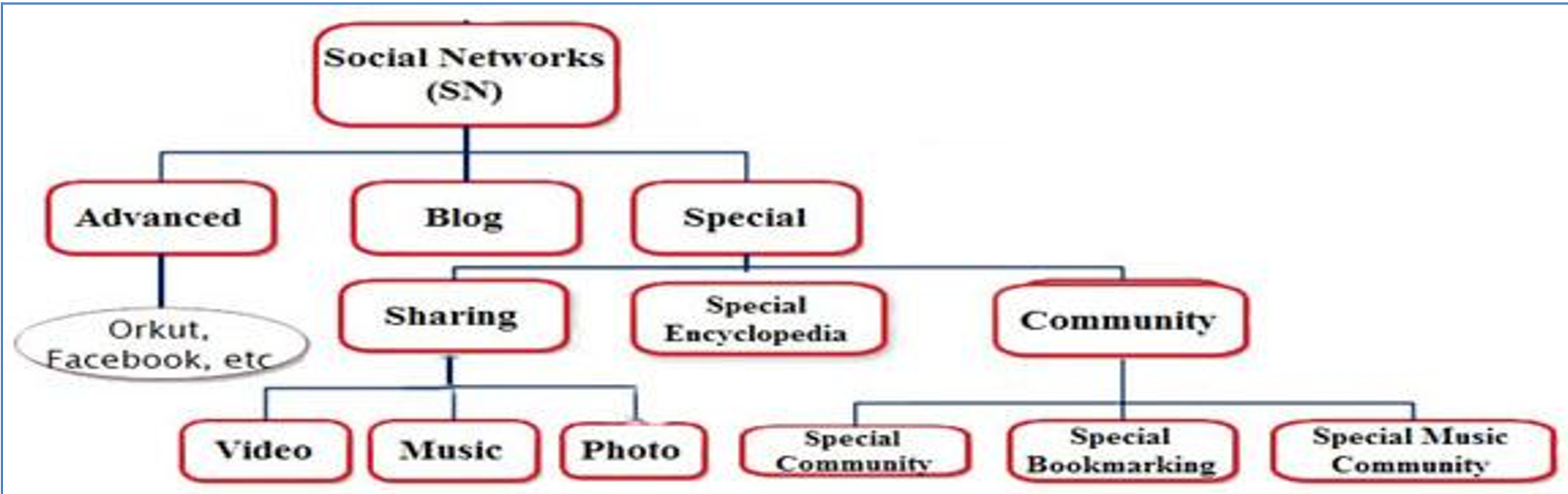
- Classification: A unique schema was used to split SN into "Advanced" (e.g., Orkut, Meebo), "Blogs," and "Special Communities."
Core Insights: It's Not Just Distraction
The data analysis yielded three surprising findings that challenge traditional academic assumptions:
1. The SN Dominance
While 35% of traffic was strictly academic, a massive 31% of the total usage was dedicated to Social Networks. Among NAC activities, SN was the top category, significantly outpacing entertainment and business.
2. The Examination Paradox
Intuitively, one might expect social media use to drop during finals. However, the logs showed that time spent on SN actually increased during examination weeks, particularly in the early morning hours (6 AM - 9 AM). This suggests that female students turn to their networks as a coping mechanism for academic stress.
3. The Performance Link
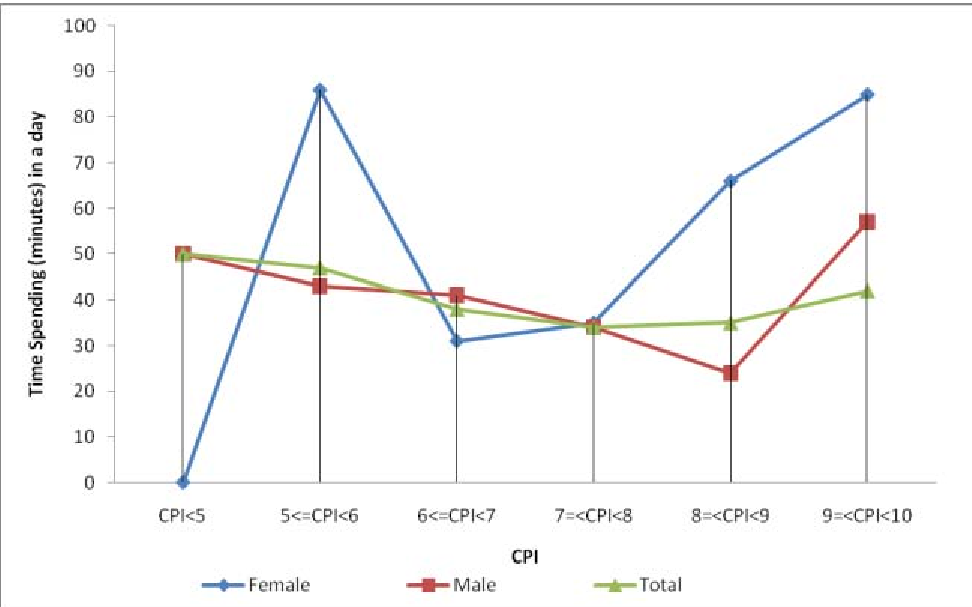
Perhaps the most striking result is the correlation with the Cumulative Performance Index (CPI). The most consistent users of social networks were not the struggling students, but those in the "Excellent" category (CPI between 8.0 and 9.0).
Critical Analysis & Conclusion
The research provides a vital data-driven perspective on the gendered use of technology. It highlights that for female students, social networks are likely a form of "community mining" where they can interact in a "congenial manner" away from offline restrictions.
Takeaway: Educational institutions should view social networking not as a competitor to studying, but as a component of a student's social-emotional ecosystem.
Limitations: As the study was conducted in 2010, the "Social Network" landscape (then dominated by Orkut and Blogs) has shifted to platforms like Instagram, LinkedIn, and Discord. However, the fundamental insight—that high-achieving students use digital networks to navigate stressful technical environments—remains more relevant than ever.