
Turning Commutes into Communities: The "Serious Game" of Public Transport Information
Using Social Networks for Exchanging Valuable Real Time Public Transport Information among Travellers
This paper proposes a cooperative model for exchanging real-time public transport information (e.g., punctuality, noise, driver skill) using social networks like Twitter and Facebook. The system leverages "temporary networks" based on travel patterns and introduces a reward-based validation mechanism to ensure data reliability and user engagement.
TL;DR
Public transport information is often a one-way street: the operator tells you when the bus should arrive, but rarely tells you it's noisy, overcrowded, or driven poorly. This paper proposes a paradigm shift—using social networks to create temporary, context-aware communities of travellers. By structuring crowdsourced data and validating it through a reward-based "serious game," transit becomes a collaborative, real-time ecosystem.
Background: Beyond the Static Timetable
In the current urban mobility landscape, we are "connected but isolated." While we browse Facebook or Twitter on the bus, that digital activity rarely benefits our physical journey. Existing services like Porto’s SMSBUS provide real-time arrival data, but they lack the richness of human experience. This paper argues that the next generation of Intelligent Transport Systems (ITS) isn't just about GPS sensors; it's about the "human sensor."
The Problem: The Value Gap in Social Data
The authors identify a critical gap: public transport users are talking, but their data is "scattered and hardly useful."
- Unstructured Data: Comments on Facebook pages like "Metro do Porto" are useful but not searchable or spatially referenced in real-time.
- Stability vs. Spontaneity: Traditional social networks are built on stable friendships. Transit needs "temporary networks" that exist only for the duration of a journey.
- The Trust Deficit: How can an operator trust a user's report about a broken air conditioner without a validation system?
Methodology: The Three-Pillar Social Model
The core of the proposed system is a database that collects structured info from both hardware sensors and human contributors.
1. Unique Travel Profiles
The system doesn't just broadcast; it learns. By analyzing persistent travel patterns, it creates an "affective profile" to suggest journey plans that align with a user’s history and preferences.
2. Temporary Networks & Information Exchange
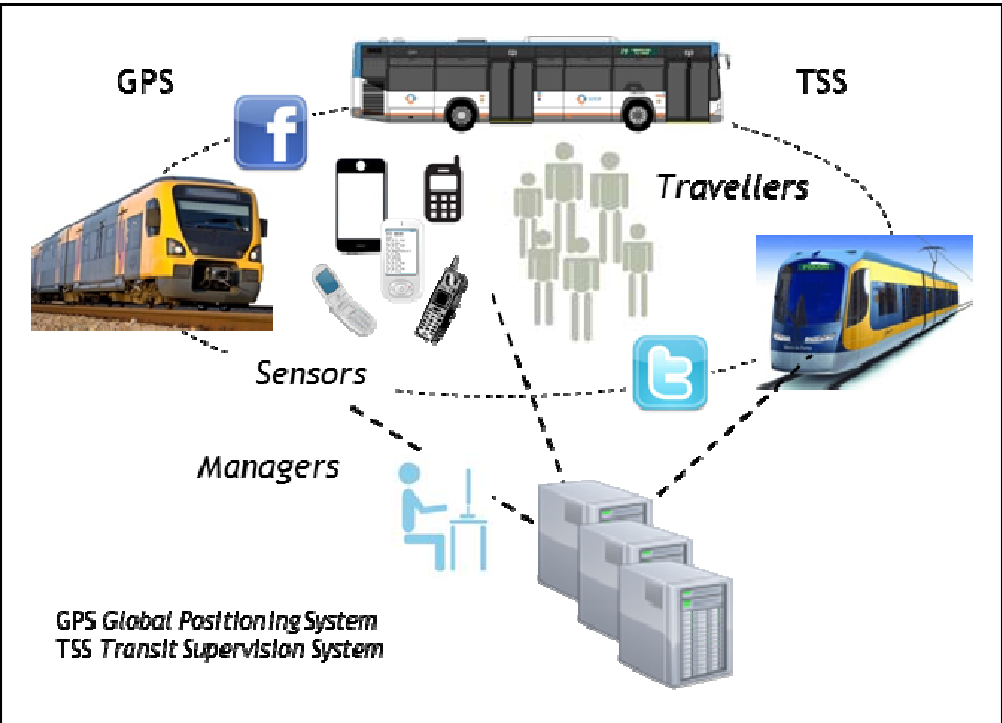
This is the technical "secret sauce." The system identifies "potential travellers" (about to start) and "en-route passengers" (currently on the vehicle) to form a dynamic network.
3. The Validation System (The Reward Model)
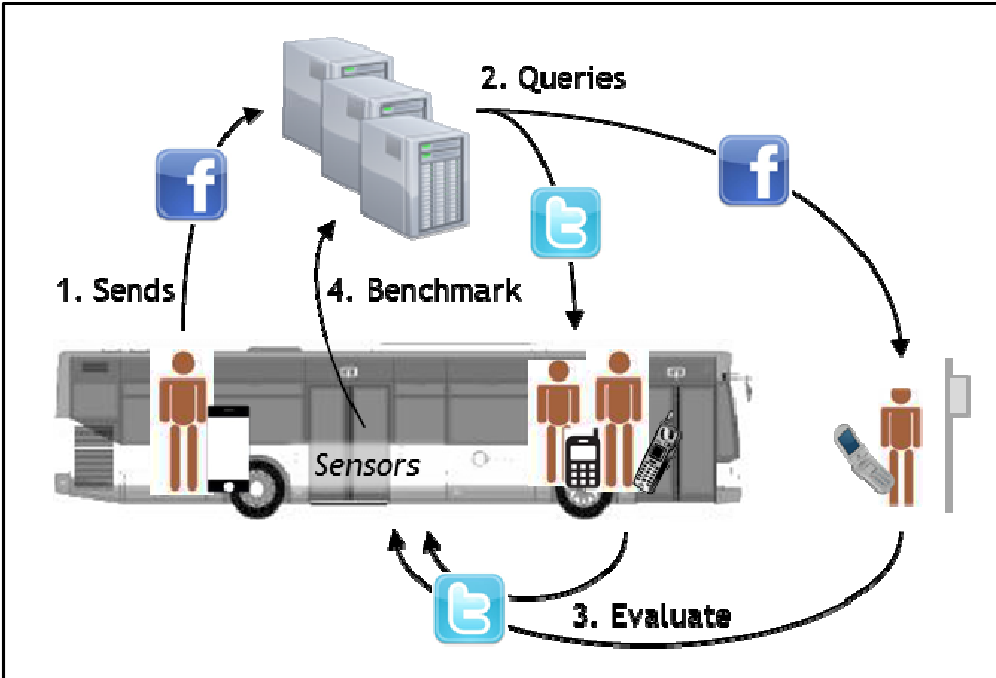
To prevent spam and ensure accuracy, the authors propose a Wiki-style validation. When a user reports an incident, it is sent to "travel peers" on the same route to confirm or deny.
- The Serious Game: Users earn points for correct reports and accurate validations.
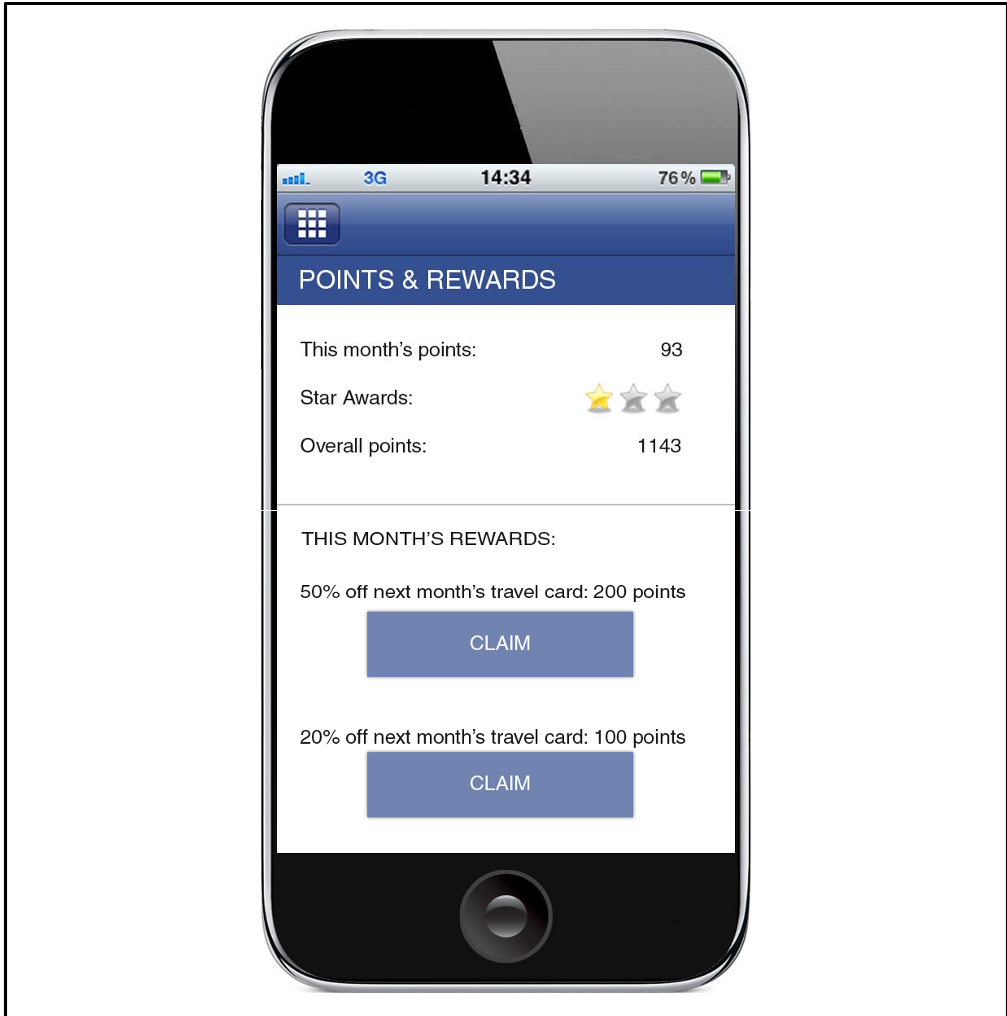
- Transactional Value: These points can be traded for discounts on travel cards, effectively turning personal data into a form of currency.
Prototype: A Social Transit App
The researchers developed a smartphone prototype that acts as a module within existing social apps. This avoids "password fatigue" and leverages existing profiles.
Key features include:
- Contextual Check-in: Automatic pairing via GPS or manual check-in.
- Qualitative Rating: Users can rate "Ambiance" (temperature, noise, crowding) and "Driver Skills."
- Peer Evaluation: A "Rate Comments" screen where users validate others' claims.
Deep Insight: A New E-Commerce Paradigm
The most striking argument in the paper is the transition of information into a transactional asset. Usually, transport operators spend massive amounts on call centers and fixed sensors. This model suggests that paying customers with "points" (travel discounts) to act as real-time sensors is more cost-effective and provides higher-resolution data. It transforms the passenger from a passive consumer into an active participant in the service's quality control.
Critical Analysis & Future Outlook
Strengths:
- Bridges the gap between social media and operational utility.
- Solves the "trust" issue through peer-to-peer validation.
Limitations:
- Privacy: The paper acknowledges but does not fully solve the privacy risks of tracking users' real-time movements within "temporary networks."
- Critical Mass: A crowdsourced system only works if a high percentage of passengers participate. Without enough "peers" on a specific bus, the validation mechanism fails.
Conclusion
This work sets the stage for "Service Science" in transport. By treating information exchange as a serious game, we can make public transport not only more efficient but also more human-centric. The future of the "Smarter City" relies on our ability to turn individual mobile devices into a collective intelligence network.