
Social Networks of Visually Impaired Adolescents: Quality Over Quantity in the Journey to Well-Being
Social networks of visually impaired and blind adolescents. Structure and effect on well-being
This study investigates the structural and functional aspects of social networks among 316 visually impaired and blind adolescents in the Netherlands. Using a socio-ecological framework and multilevel analysis, it compares these networks to sighted peers and evaluates their impact on well-being.
TL;DR
A comprehensive study of 316 visually impaired Dutch adolescents reveals that while their social networks are significantly smaller than those of sighted peers, their happiness is not necessarily lower. The research identifies that satisfaction with support and mobility independence are far more influential on psychological well-being than the actual amount of support received or the size of the network.
Problem & Motivation: The Social Constraints of Visual Loss
Adolescence is a critical period for developing autonomy and social identity. For those with visual impairments, this journey is complicated by "unique stressors" such as social stigma and physical dependency.
The authors argue that previous studies have been fragmented. They set out to answer a fundamental question: Does a smaller social circle inevitably lead to lower well-being for blind youth? By applying a socio-ecological model, they analyze how the interaction between individual factors (like mobility) and environmental systems (family, school, peers) shapes an adolescent's world.
Methodology: High-Tech Data Collection for Accessibility
To ensure data quality among a population that cannot use traditional paper-and-pen "show-cards," the researchers pioneered the use of Computer-Assisted Personal Interviewing (CAPI).
The Two Pillars of Evaluation:
- Structural Aspects (The Map): Measuring network size and composition across eight sectors (e.g., family, friends, professionals).
- Functional Aspects (The Grid): Distinguishing between perceived support (what I think I can get) and received support (what I actually got), as well as reciprocity.
Core Findings: The "Support Gap"
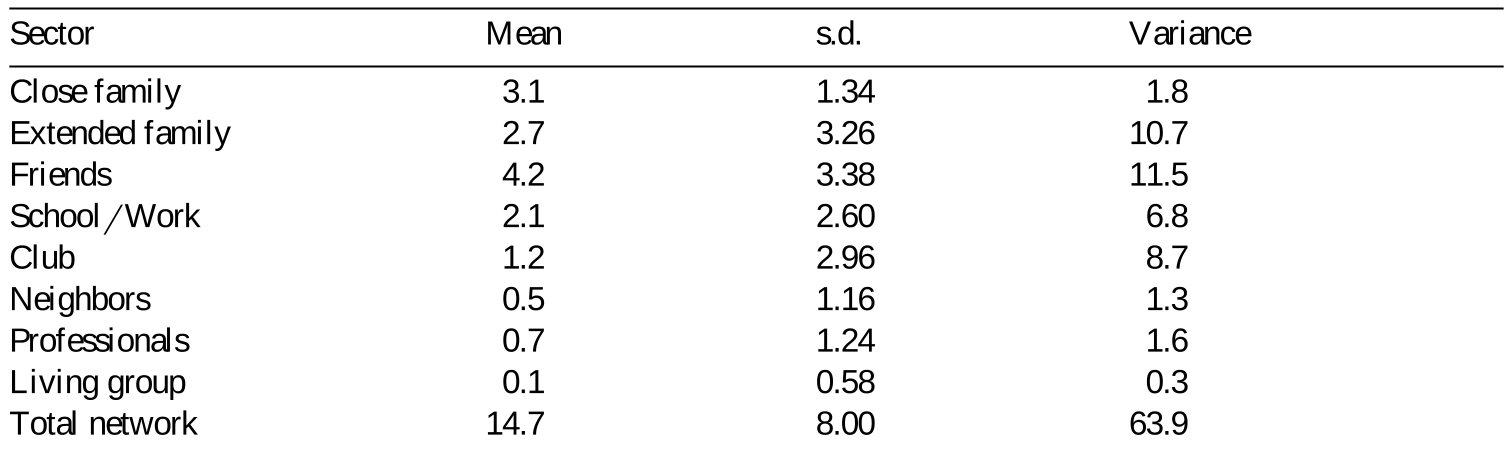
The study highlights a stark contrast in network structures. The average visually impaired adolescent has a network of 15 people, significantly smaller than the 20 people found in sighted Dutch adolescents.
- Family Dominance: Visually impaired youth rely more heavily on parents and report receiving less support from extended family and neighbors than their sighted counterparts.
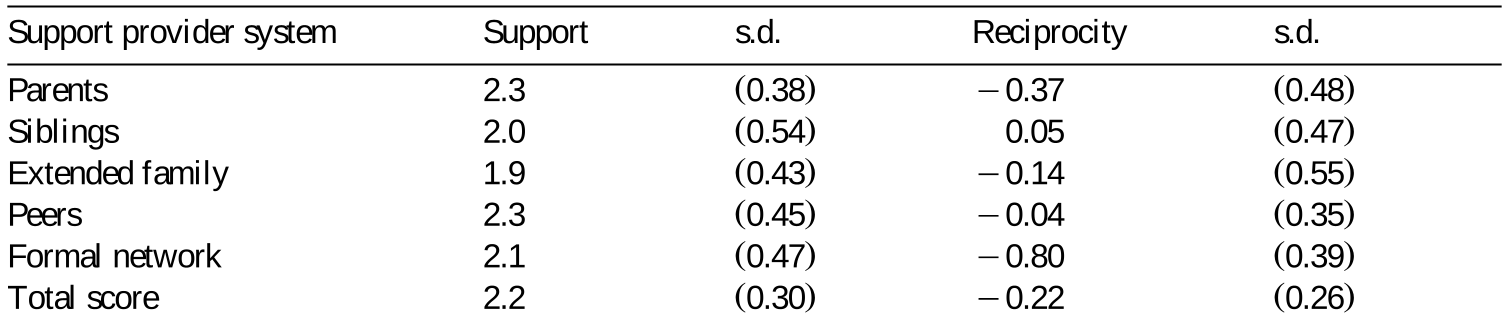
- The Peer Paradox: Support from peers was one of the few areas where impaired adolescents matched their sighted peers, suggesting that friendships—though fewer—are high-intensity and crucial.
- Reciprocity: Relationships were generally perceived as "receiving more than giving," especially with parents and professionals.
Critical Analysis: What Truly Drives Happiness?
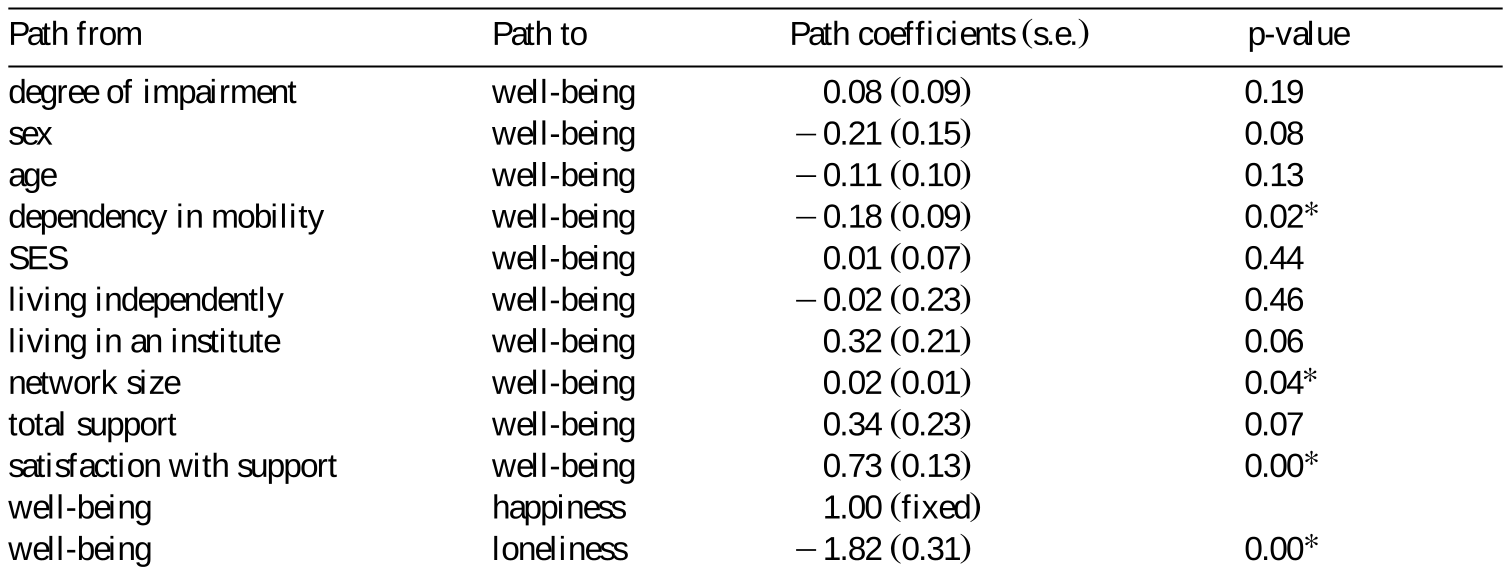
Using MIMIC modeling, the researchers disentangled the "causes" of well-being. The findings challenge the "more is better" philosophy of social support:
- Satisfaction is King: The subjective evaluation of support ("Am I happy with the help I get?") is a stronger predictor of well-being than the objective amount of support provided.
- Mobility equals Mental Health: Independence in mobility was the only individual characteristic that significantly improved well-being. Feeling dependent on others to move through the world is a major risk factor for loneliness.
- The Impact of Environment: Adolescents living in residential institutes actually reported higher happiness levels, likely due to the specialized support and the density of peers with similar lived experiences, which reduces social isolation.
Conclusion & Takeaway
The research concludes that visual impairment has a moderate impact on the structure of social life but a smaller impact on functional happiness. To support these adolescents, intervention should focus less on simply "increasing the number of friends" and more on enhancing mobility skills and improving the quality and reciprocity of existing relationships.
Future Outlook: As we move into an era of digital social integration, the "reduced mobility" barrier may be further lowered, potentially bridging the gap in network size between impaired and sighted youth.