
SOFA: Rethinking Social Networks as a Tool for Family Health Transformation
SOFA: An Online Social Network for Engaging and Motivating Families to Adopt a Healthy Lifestyle
This paper introduces SOFA (SOcial FAmily), an online social networking system designed to motivate families to adopt healthy lifestyles. By integrating a social networking layer with static health education content, the study achieved significant user engagement, with participants actively discussing and sharing health resources.
TL;DR
The SOFA (SOcial FAmily) project addresses the global obesity epidemic by moving health education from static books to dynamic social networks. By layering social features over scientific content, the researchers found that engagement doubles and that allowing family members to maintain individual digital identities—rather than a single family account—is the key to keeping the whole household active.
Background: The Motivation Gap in Digital Health
While static digital resources (e.g., e-books, informational websites) provide the "how-to" for healthy living, they rarely provide the "want-to." Traditional health communities often isolate the individual from their primary support system: the family. The researchers at CSIRO hypothesized that by wrapping health content in a social layer, they could create a persuasive application that leverages social support and transparency to change behavior.
Methodology: The SOFA Architecture
SOFA isn't just a Facebook clone; it is a hybrid system designed for a specific behavioral goal. The system consists of:
- Static Component: Scientifically validated diet and exercise resources.
- Dynamic Component: Forums, blogs, and "Wall" messages tailored for family interaction.
- Experimental Variable: The team tested Individual Profiles (separate identities for each member) against Family Profiles (one shared account for the whole house).
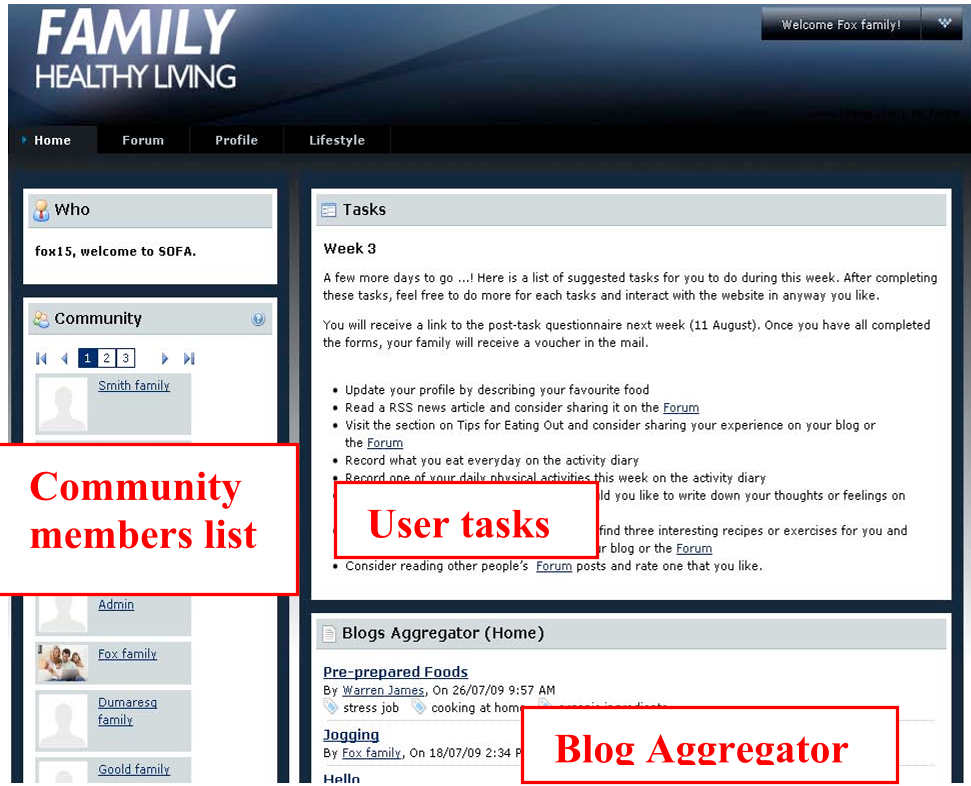 Figure 1: The SOFA Home Page, integrating social feeds with health content links.
Engaging Through Social Interaction
The study quantified engagement using a weighted formula (), where high-effort tasks like writing forum posts or updating diaries were given more weight than simple logins.
The findings were striking:
- The "Social Pull" Effect: 63% of all activity happened on the social layer. However, this didn't distract from the education; rather, it facilitated it. Nearly all forum discussions (93%) actively cited the diet and lifestyle articles.
- The Identity Paradox: Common sense might suggest that a "family" social network should have "family" accounts. The data says otherwise.
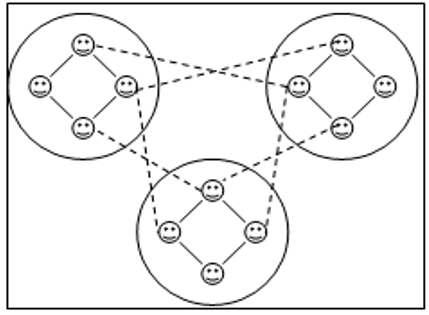 Figure 2: Testing the visual and structural representation of users.
Key Results: Individual vs. Collective Participation
The experiment involving 96 Australian families revealed a clear winner. Families assigned individual profiles had an average engagement score of 149.9, whereas those with family profiles lagged at 57.7.
Why? The researchers found that individual accounts encourage "social learning." When each person has their own wall, blog, and diary, they feel a greater sense of accountability and personal progress. In shared accounts, activity levels dropped, likely due to a "dilution of responsibility."
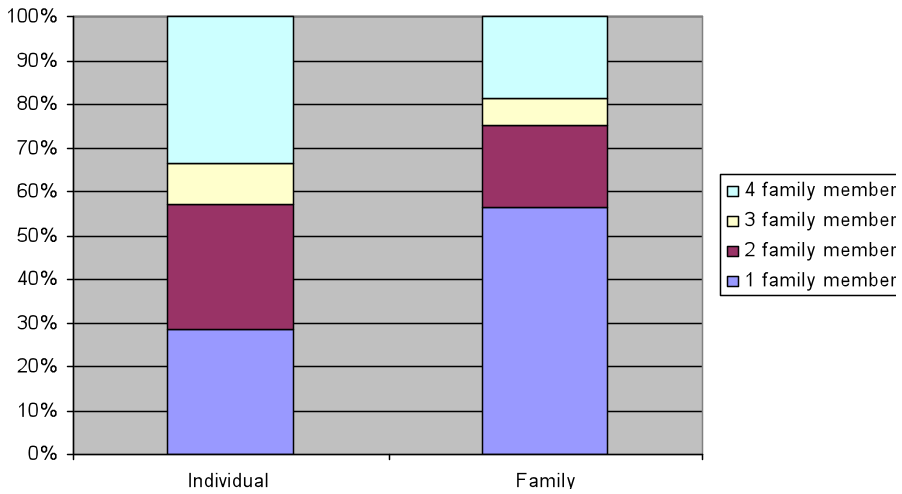 Figure 3: Families with individual profiles saw significantly higher participation from multiple family members.
Critical Insight & Conclusion
The SOFA project proves that social context is the "vessel" for health content. Dry information becomes actionable when it is discussed within a trusted circle.
Takeaways for Future Tech:
- Identity Matters: Digital health tools for groups must still respect the individual's need for personal achievement and data tracking.
- Engagement as a Proxy for Change: High engagement scores correlated with positive qualitative feedback regarding weight loss and increased motivation.
Limitations: The study was conducted over three weeks—a relatively short window for habit formation. Future research should look at the "decay rate" of this engagement over 6–12 months to see if the social layer can prevent the typical drop-off seen in health apps.