
Deciphering the Social Pulse: A Linguistic Approach to Facebook Group Filtering
SPECIAL SECTION ON CURBING CROWDTURFING IN ONLINE SOCIAL NETWORKS
This paper introduces a multi-level linguistic filtering mechanism for Facebook groups that recommends relevant posts and identifies policy-violating members. By employing a two-stage clustering approach based on stylistic, thematic, emotional, sentimental, and psycholinguistic features, the system achieves significant improvements in personalizing social media notifications and managing group clutter.
TL;DR
Social media groups often become echo chambers of noise and policy violations. This paper presents a novel Linguistic Feature Based Filtering Mechanism that uses deep text analysis—ranging from emotional tone to stylistic "fingerprints"—to recommend relevant posts to users and flag problematic members for admins. By moving away from "who you follow" to "how you speak and react," it solves the clutter problem in large-scale communities.
The Motivation: Beyond the Follow Button
Most recommendation engines (like those for Twitter) assume they know your social circle. But in a Facebook group with 100,000 members, you aren't "friends" with everyone. You are there for the content. The authors identified a massive gap: Clutter. Users are bombarded with notifications, while admins struggle to track members who post off-topic or inflammatory content.
The core insight? Linguistic Homophily. People with similar psycholinguistic profiles and thematic interests tend to react similarly to information. If the system can understand the "DNA" of a post, it can predict who will like it without ever looking at a user's private profile.
Methodology: The Double-Level Clustering Engine
The architecture is divided into two sophisticated stages designed to capture the nuance of human interaction.
Stage 1: Deconstructing the Post
Every post is analyzed through five distinct lenses:
- Sentiment: Keyword-level analysis (e.g., how the user feels about "ice cream" specifically, not just the whole sentence).
- Theme: Using LDA for topic modeling and ConceptNet to understand the "common sense" relationship between entities.
- Emotion: Categorizing text into Anger, Sadness, Fear, Disgust, and Joy.
- Stylistics: Analyzing lexical and syntactic writing styles (word lengths, n-grams).
- Psycholinguistics: Deep personality traits extracted via LIWC and MRC databases.
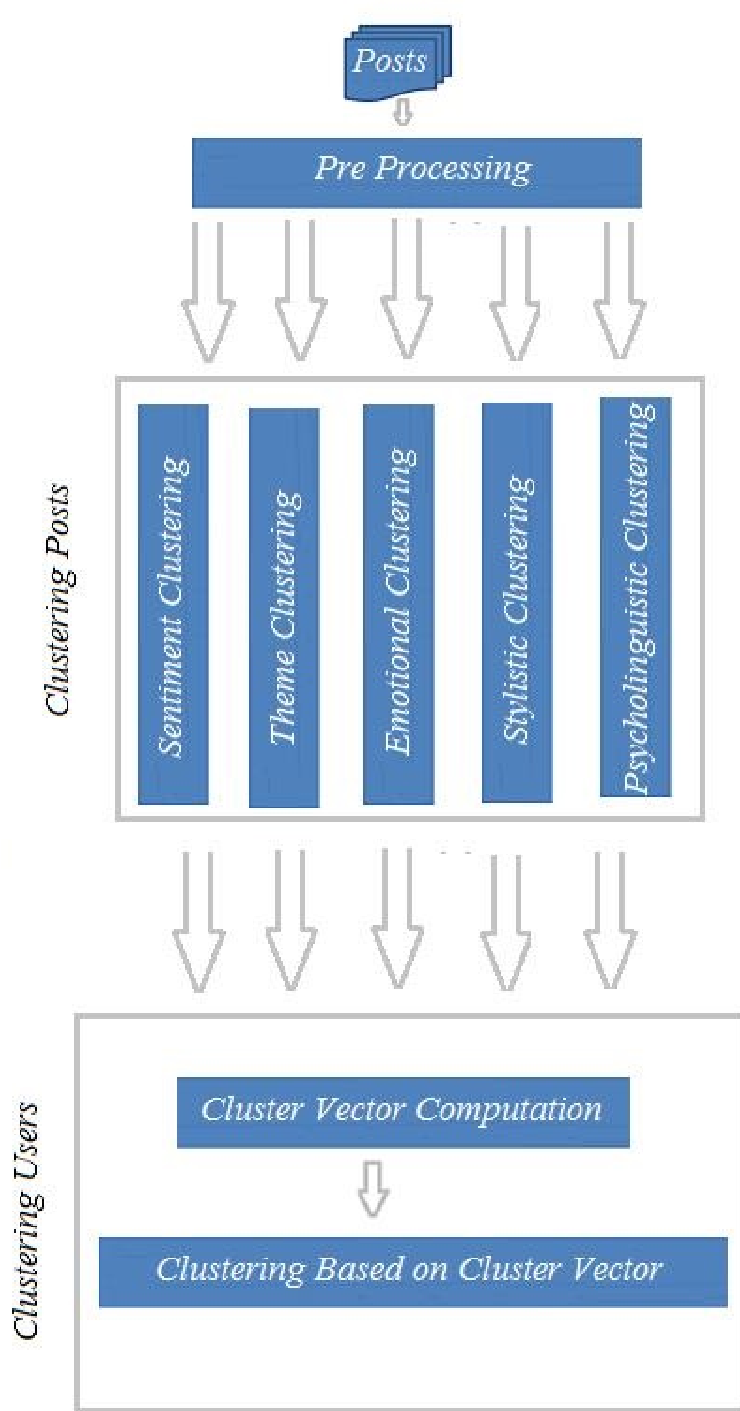
Stage 2: The User "Cluster Vector"
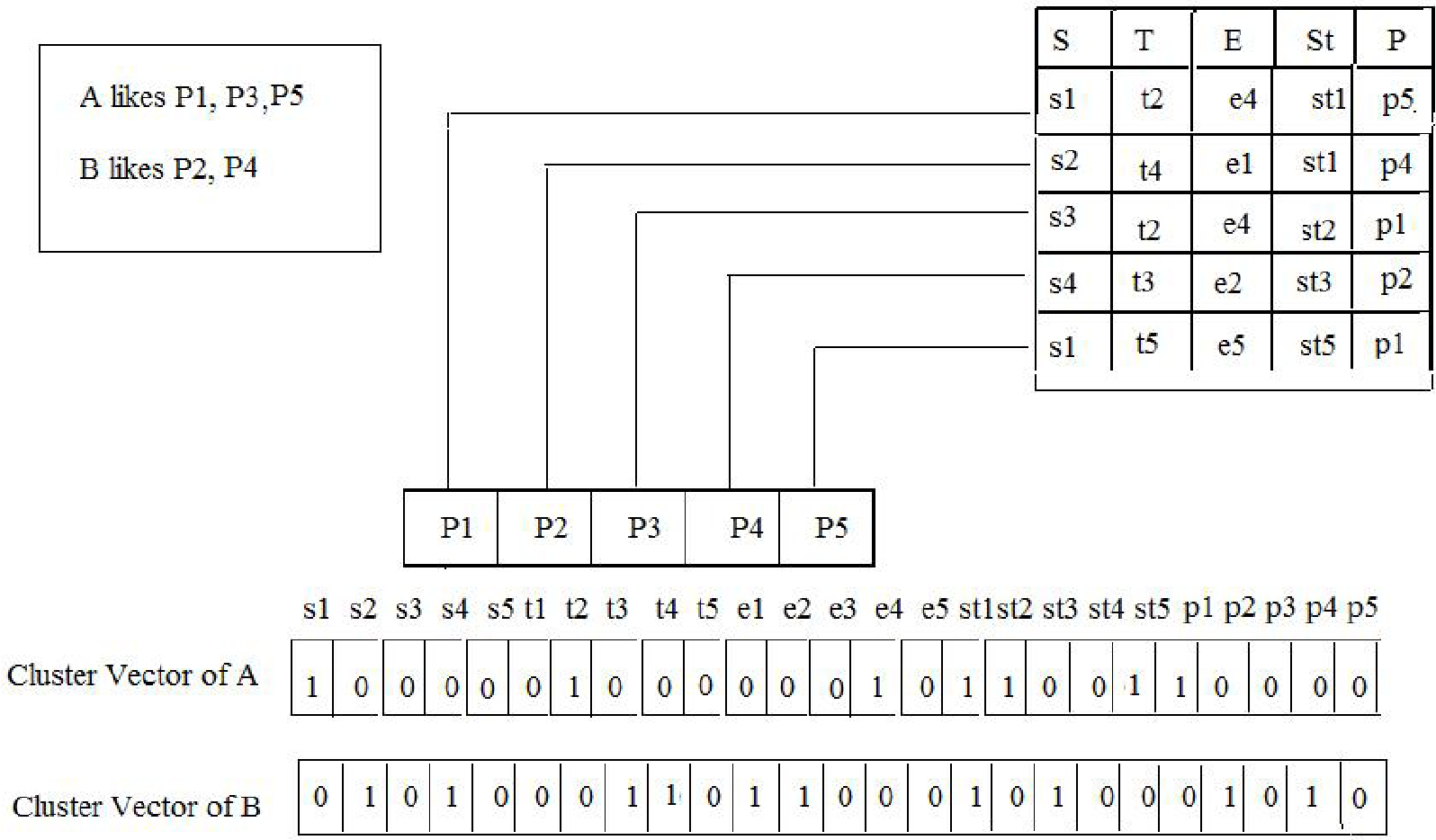
The system creates a Cluster Vector for each user. If you consistently like "Joyful" posts about "Technology" written in a "Formal" style, your vector reflects that. The system then clusters these vectors to find "neighborhoods" of like-minded members.
Experiments & Results
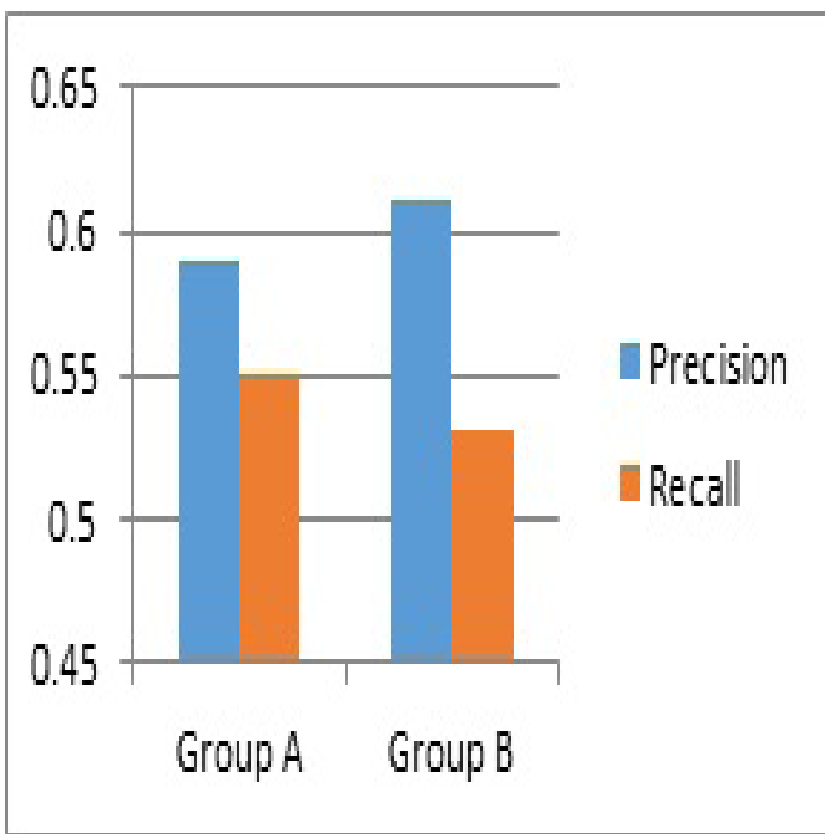
The authors tested their system on real-world Facebook data. They found that Sentiment is the strongest individual predictor of user interest, while Stylistics (writing style) is less effective on short posts but provides a critical boost when combined with other features.
Key Performance Indicators:
- Feature Synergy: The accuracy of recommendations peaks when all five features are combined, proving that human interest is multi-dimensional.
- Scalability: The system maintained high accuracy even as the group size increased to over 7,000 members.
- Policy Management: In a "Trump vs. Anti-Trump" simulation, the system successfully identified members whose posts consistently drew negative reactions from the community, providing a "Popularity Score" that helps admins flag potential violators.
Critical Analysis & Future Outlook
This work is a significant step toward Privacy-Preserving Recommendations. By focusing on the linguistic content of posts rather than sensitive user profile data, it offers a way to improve user experience without intrusive tracking.
Limitations:
- Language Barrier: The current model is optimized for English; multi-lingual groups remain a challenge.
- Short Text Sparsity: Very short posts (1-2 words) offer little stylistic data for the engine to crunch.
The Takeaway: The future of community management lies in automated linguistic understanding. This framework provides a blueprint for building "Soft Security" in social networks—creating an environment where the most relevant content reaches the right eyes, and the noise is filtered out before it becomes a nuisance.