
Empowering Sports Culture Growth: A Big Data & Genetic Neural Network Approach
The construction of sports culture industry growth forecast model based on big data
This paper proposes a sports culture industry growth forecast model that integrates big data analytics with a Genetic Neural Network (GNN). By optimizing a backpropagation neural network using genetic algorithms, the study achieves high-precision prediction of industrial trends, significantly outperforming traditional statistical methods.
TL;DR
As sports shift from simple physical activity to a complex "sports culture industry," traditional growth forecasting tools are becoming obsolete. This paper introduces an optimized Genetic Neural Network (GNN) model designed to navigate the "5V" complexities of big data, achieving a staggering 100,000x improvement in prediction accuracy compared to non-optimized models.
The "Data Vacuum" in Sports Culture
Despite the economic surge in sports consumption, the industry has long suffered from a "research lag." Prior works relied heavily on Porter’s Diamond Model or manual qualitative indices. These methods are susceptible to:
- Manpower Inefficiency: High reliance on researcher intuition.
- Data Sparsity: Small sample sizes that fail to reflect the "overall" ocean of consumer behavior.
- Linear Constraints: Inability to map the non-linear, dynamic relationships within cultural industrial structures.
The author’s insight is simple: treat every sports consumer as a data unit. By moving from "random sampling" to "overall data mining," we can uncover the hidden growth laws of the industry.
Methodology: Bridging Evolutionary Logic and Neural Intelligence
1. The Multi-Dimensional Index System
The foundation relies on a robust architecture of indicators divided into four pillars:
- Resources: Output value, GDP proportion, employee counts.
- Guarantees: Government investment, legal perfection, facility area.
- Social Participation: Consumption levels, participation rates.
- Soft Power: Humanistic development, patents, and international events.
2. High-Dimensional Optimization with Genetic Algorithms
The core technical breakthrough is the Genetic Optimized Neural Network. Standard neural networks often suffer from slow convergence or getting "stuck" in local optimal points. By applying Genetic Algorithms (GA), the model "evolves" the best initial weights and thresholds before training begins.
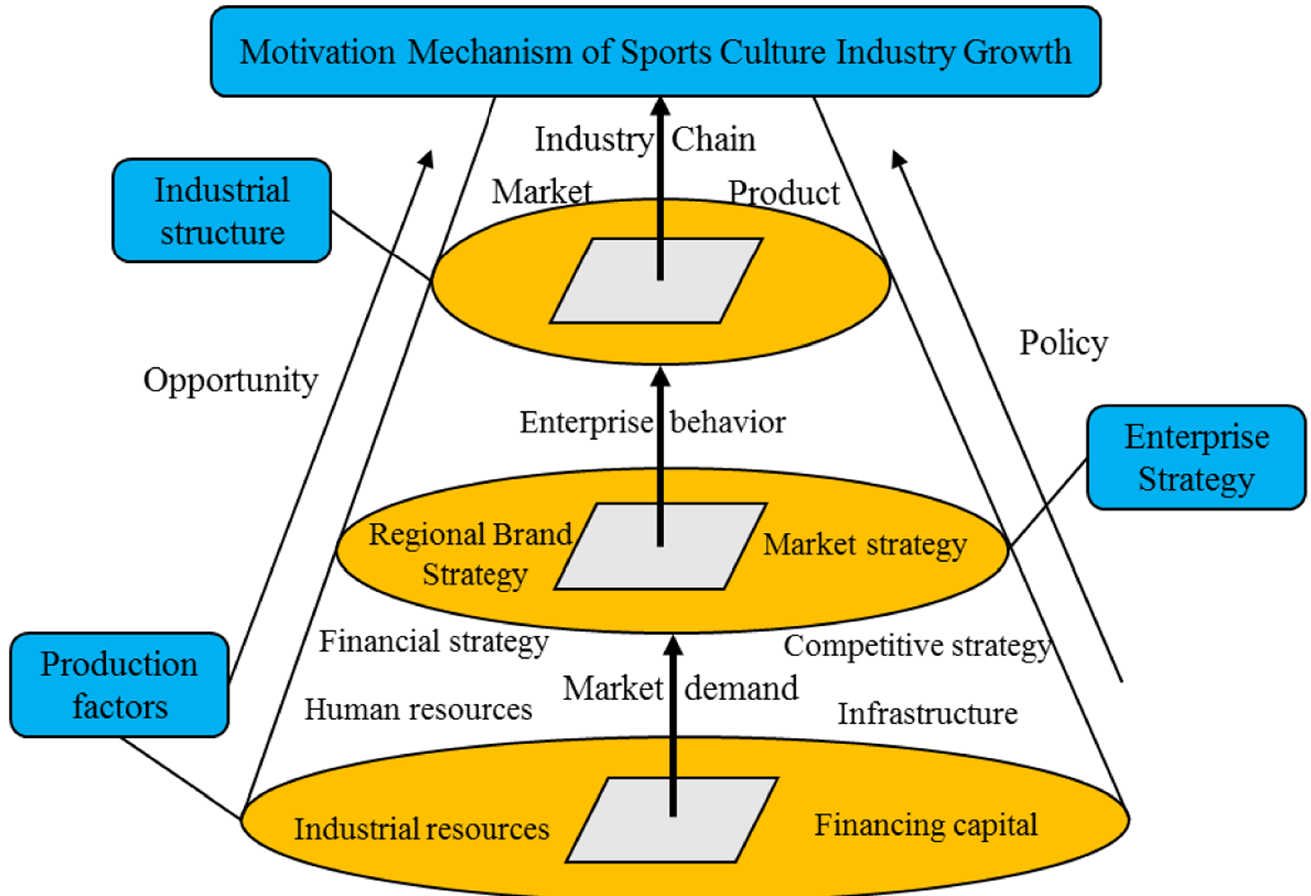 Figure 1: The dynamic mechanism structure illustrating how human resources, environment, and economy interlock to drive growth.
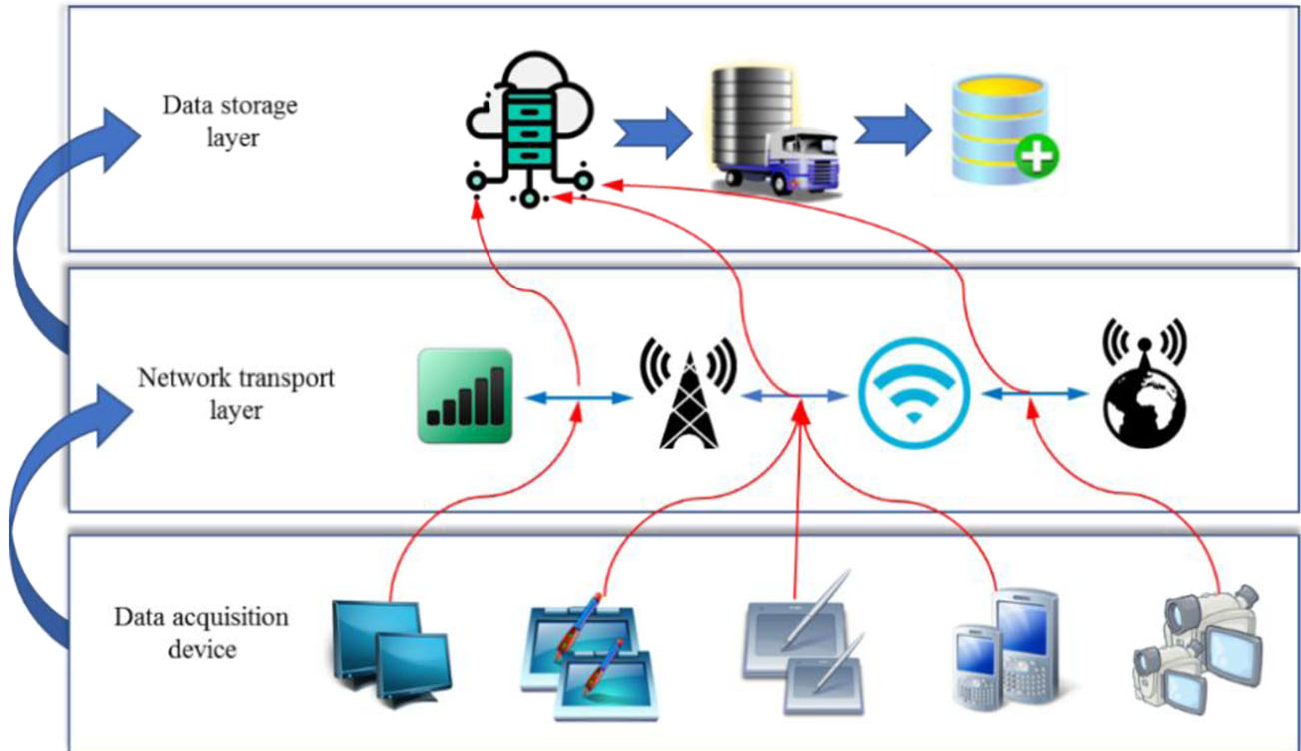 Figure 2: Schematic of the neuron model and feedforward structure used for training.
Experimental Results: A 10^5 Leap in Precision
The simulation compared a standard neural network (Pre-optimization) against the Genetic-optimized version using data from a Chinese city (2000–2017).
- Convergence Speed: The optimized model hit the 10^-9 error threshold in just 650 steps.
- Granularity: While the standard model could only predict "general trends," the Genetic Neural Network successfully captured detailed range fluctuations and micro-trends in cultural development.
- Error Reduction: The absolute error for the optimized model was significantly lower, allowing for precise policy-making and investment forecasting.
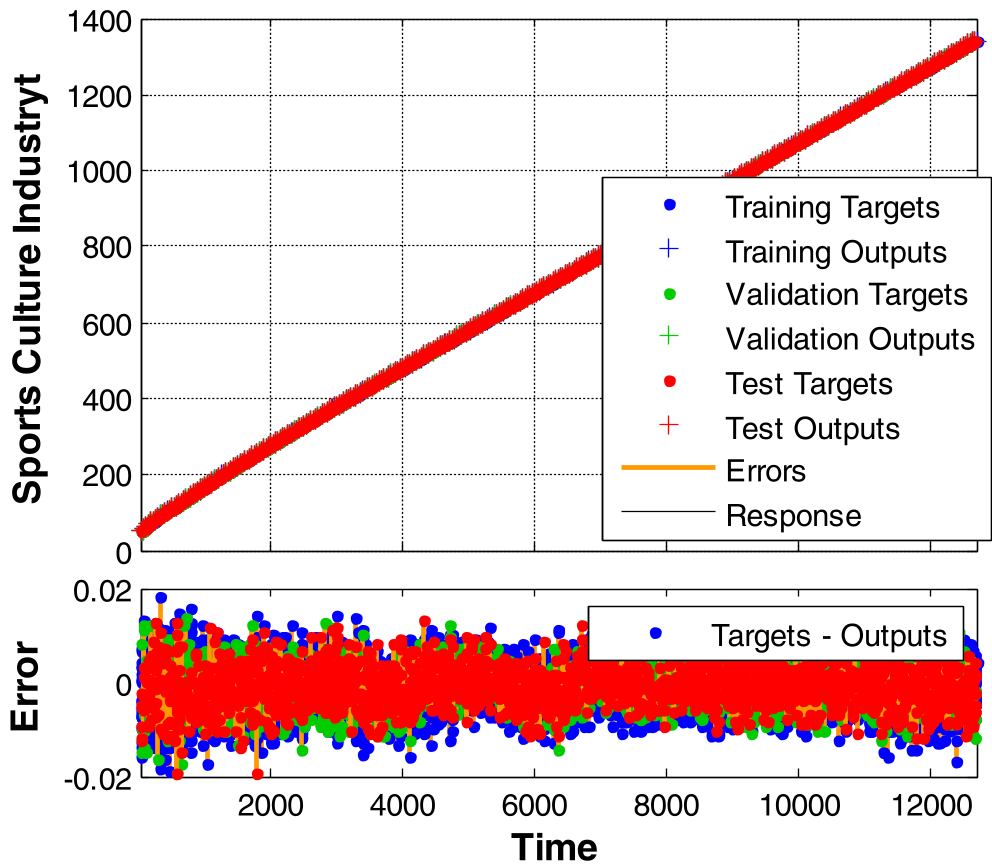 Figure 3: Training process showing the rapid convergence of the optimized genetic neural network.
Critical Insight: Beyond Simple Prediction
The value of this work lies in its Inductive Bias. By recognizing that sports culture is an "intangible" product where production and consumption happen simultaneously, the model factors in "Soft Power" and "Social Participation" as heavy weights.
Future Outlook: While Genetic Algorithms solve the initialization problem, the author admits that Deep Learning (CNNs/RNNs) will be the next frontier to handle the increasing volume of unstructured data (video/social media sentiment) that defines the modern sports landscape.
Conclusion
This paper serves as a theoretical and practical bridge. It transforms the sports culture industry from a "felt" experience into a quantifiable, predictable economic engine. For policymakers and industry leaders, the message is clear: the future of sports isn't just on the field; it’s in the data.