
The Statistical Learning Ontology: Bridging the Gap Between Data Science and Domain Expertise
A Statistical Learning Ontology for Managing Analytics Knowledge
This paper introduces the Statistical Learning Ontology (SLO), a semantic framework designed to manage and organize analytics knowledge in data-driven organizations. Developed using a pattern-based methodology and validated through case studies in Digital Marketing and Commodity Pricing, SLO acts as a bridge between high-level domain concepts and low-level statistical measures and models.
TL;DR
The Statistical Learning Ontology (SLO) is a semantic architecture designed to formalize "analytics knowledge." By shifting focus from manual scripting to a structured knowledge-base, it allows organizations to map complex statistical variables and models to high-level business goals, significantly improving the transparency and reproducibility of data science workflows.
Background: The Analytics Heterogeneity Trap
In the current era of Big Data, the bottleneck is no longer just processing power—it is knowledge management. Organizations use a fragmented mix of tools (SAS, Matlab, Python) and methodologies. When a data scientist selects a specific variable for a model, the reason why—whether it was a literature-based hypothesis or a result of an automated correlation—is often lost in the code.
This paper identifies that existing workflow systems (like Taverna or Kepler) are too low-level for "citizen data scientists." The authors propose that we need a higher level of abstraction: an Ontology.
Methodology: Formalizing the "Intuition" of Data Science
The SLO is built on the principle of Operationalization. It converts abstract domain properties (e.g., "Brand Engagement") into measurable variables (e.g., "Facebook Daily Page Fan Count").
The Core Framework
The SLO architecture centers on three pillars:
- Generic Analytics Concepts: Standardizing terms like Property, Variable, and Measure.
- LinkedVariables: Capturing the nature of relationships (Causal vs. Hypothesized).
- Link Origins: Recording the provenance (Did this link come from an Expert Opinion, a Model Output, or a Reference Paper?).
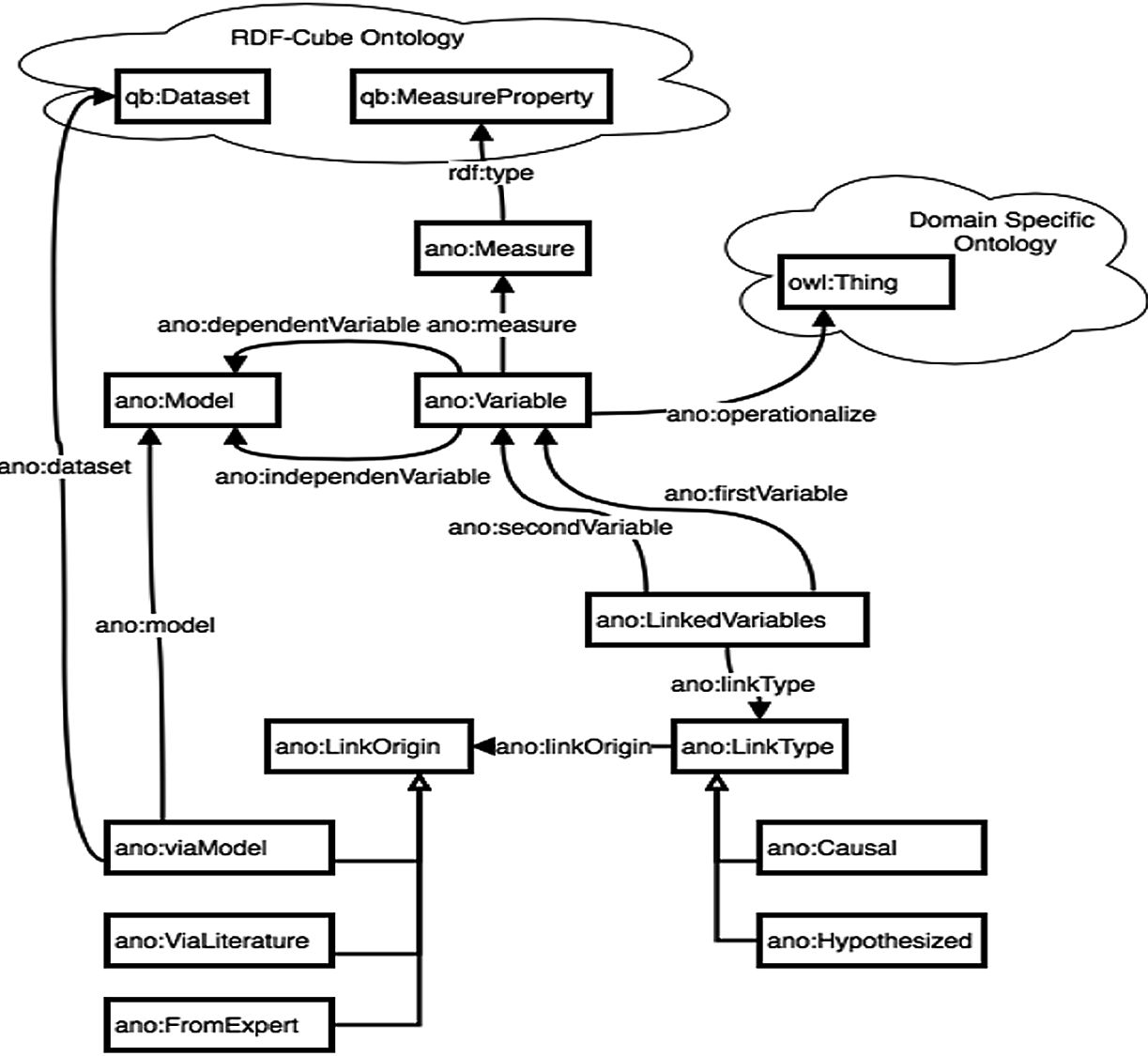 Figure 1: The proposed prototype architecture for managing analytics knowledge.
Case Study Validation
The authors validated the SLO through two distinct domains:
- Digital Marketing: Mapping social media metrics to "Search Engine Advertising Effectiveness."
- Commodity Pricing: Using macro-economic indicators (GDP, urbanization rates) to predict agribusiness trends.
By using Competency Questions (e.g., "What variables influence search engine effectiveness?"), the authors proved that the ontology could navigate complex relationships that simple databases cannot easily express.
Performance through Semantic Queries
Using SPARQL, the prototype can retrieve specific measures used to calculate complex variables. For example, to find variables influencing advertising effectiveness, the system filters for ano:Causal links originating from the ano:LinkedVariable class.
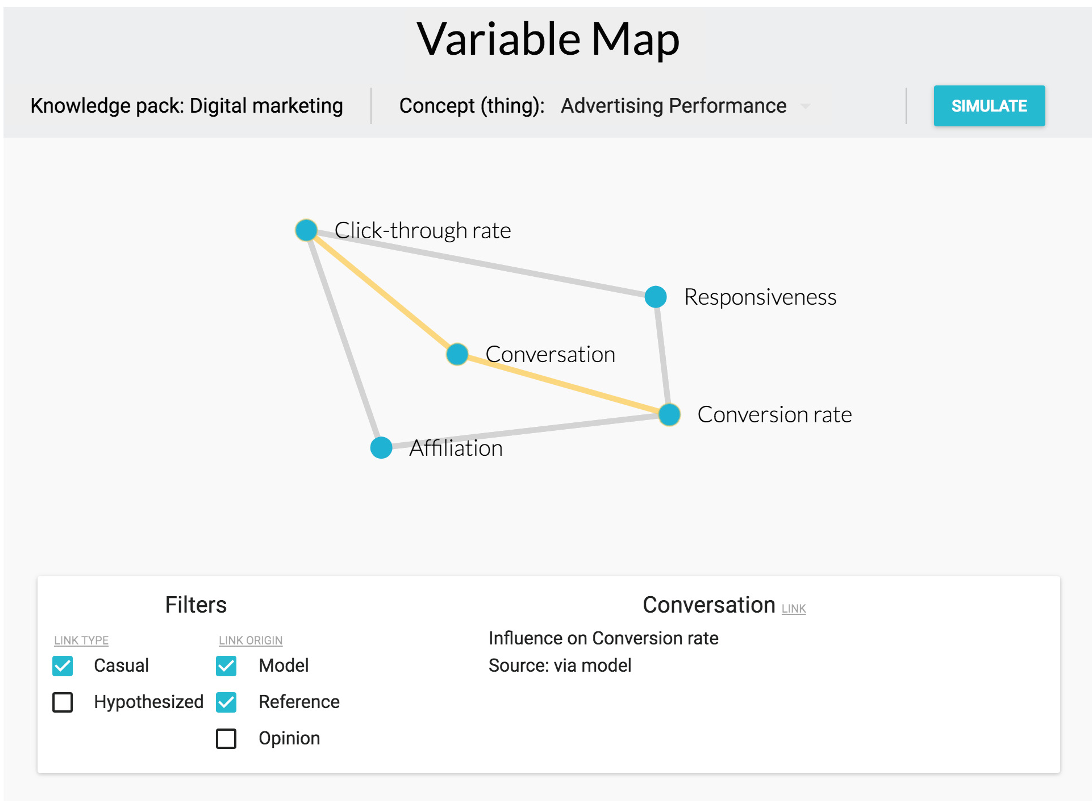 Figure 2: The visualization tool allows analysts to explore the web of variables and their causal origins.
Deep Insights & Takeaways
The value of the SLO lies in its open semantic nature. Unlike proprietary analytics platforms, it leverages existing RDF-Cube standards, meaning it can be integrated into the broader "Linked Data" ecosystem.
Key Takeaways for Technical Leaders:
- Provenance is King: Capturing why a variable was included in a model is critical for regulatory compliance and long-term maintenance.
- Decoupling Logic from Code: By defining variable relationships in an ontology rather than in R/Python scripts, the business logic remains accessible even if the technical stack changes.
- Enabling the Citizen Data Scientist: Providing a visual, semantic layer allows domain experts to contribute to model design without needing to write complex control-flow code.
Conclusion
The SLO represents a move toward "Model-Driven Analytics." While the prototype is currently limited to specific case studies, its generic design principles offer a blueprint for any organization looking to move beyond "Script-Based" data science toward a more mature "Knowledge-Based" analytics culture.