
The Strength of Awkward Ties: Why Friending Your Principal Might Be Good for You
The Strength of Awkward Ties: Online Interactions between High School Students and Adults
2016-11-04
Summary
Problem
Method
Results
Takeaways
Abstract
This multi-case study, "The Strength of Awkward Ties," explores how online interactions between high school students and adults (teachers, parents, and administrators) function as resources for information and socialization. By comparing two US high schools with contrasting social media policies, the authors demonstrate that intergenerational digital ties—though often perceived as "awkward"—facilitate community building, mentoring, and the development of digital literacy.
## TL;DR
While many schools view teachers friending students online as "creepy" or a liability, this study suggests that these **"Awkward Ties"** are actually vital social resources. By analyzing two high schools with polar opposite social media policies, researchers found that students who interact with adults online gain better access to information, experience less "echo-chamber" effects, and learn professional digital norms through observation.
## The Problem: The Homophily Trap
In the world of social media, **homophily**—the tendency to associate with people just like ourselves—is a double-edged sword. For teenagers, this usually means an "age-homophilous" network where they only talk to other teens.
While this is great for peer bonding, it creates a social silo. Prior work suggests that these closed loops can reinforce risky behaviors (like substance use) and limit access to diverse perspectives. The challenge is **"Context Collapse"**: when the boundary between "School Me" and "Home Me" disappears. Most schools respond to this by banning all teacher-student online contact, but this study asks: *What are we losing when we cut those ties?*
## Methodology: A Tale of Two Schools
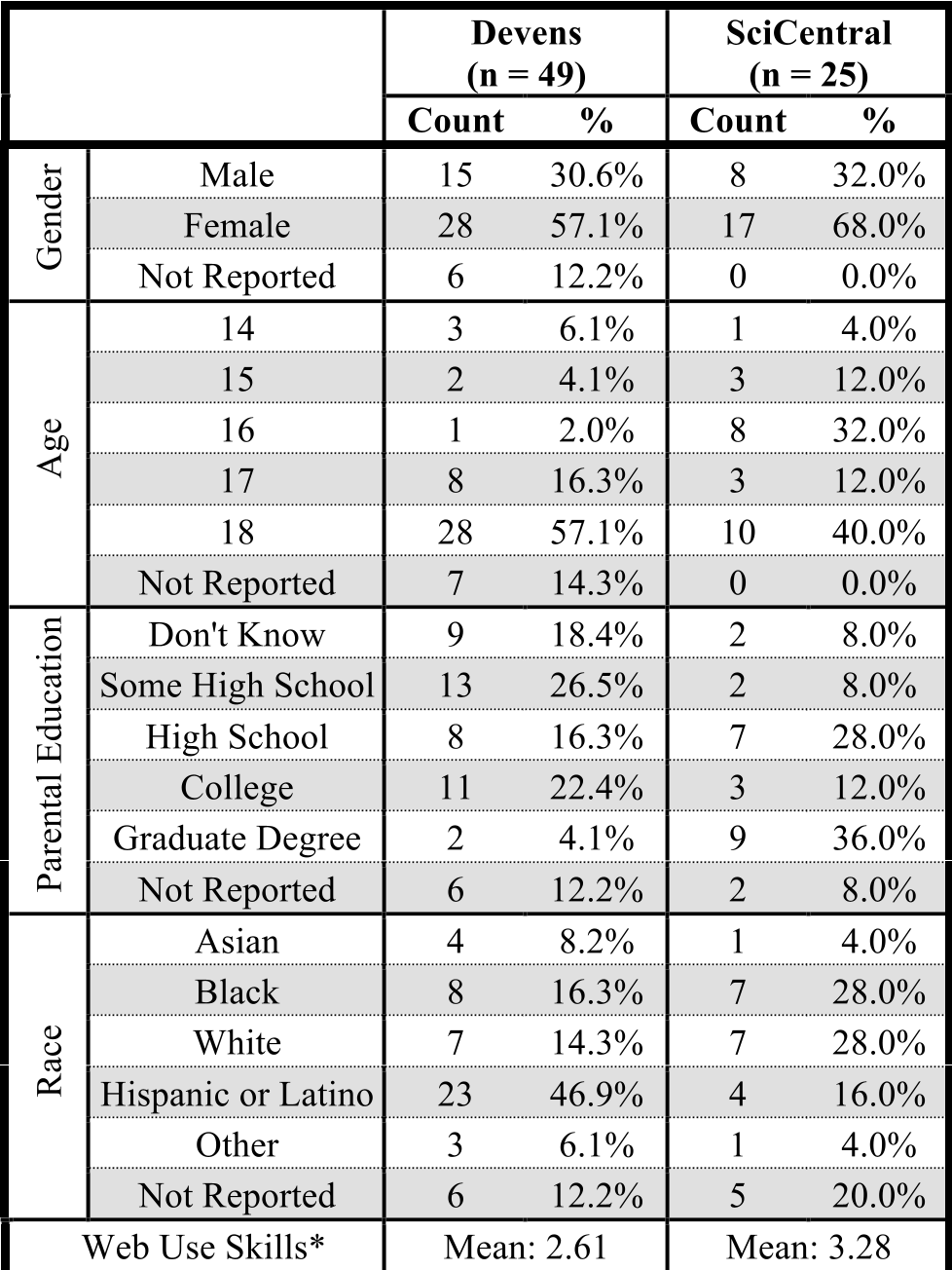
The researchers compared two distinct environments:
1. **SciCentral High**: A tech-integrated magnet school where the principal tweets at students and friending teachers is encouraged.
2. **Devens High**: A school with strict bans on cell phones and a "no-friending" policy between staff and students.

## The Core Insight: Three Pillars of Adult Interaction
The study identified three ways "awkward" adult presence actually helps students:
### 1. Building Community (The "Granola Bar" Effect)
At SciCentral, social media isn't just for homework; it’s for humanizing the institution. One student tweeted about being too hungry to focus; the principal saw it, walked into her class, and handed her a granola bar. This "bridging" of online and offline worlds makes school more memorable and less adversarial.
### 2. Information Access
While teens prefer asking peers for help, adults are the "ultimate weak ties." They have the information students don't. In schools with open policies, students could reach out to teachers via Twitter or Facebook for last-minute project help when peer resources were exhausted.
### 3. Digital Apprenticeship (Modeling)
This is arguably the most important finding. When adults are in the network, they provide:
* **Audience Awareness**: Students reported "censoring" their tweets because they knew "Big Brother" (the principal) was watching, which taught them professional self-presentation.
* **Modeling**: Students watched their English teachers engage in professional discussions (#EngChat), seeing firsthand how social media can be a tool for professional growth rather than just entertainment.
## Critical Analysis: Is "Awkward" Work Necessary?
The authors argue that the **awkwardness** of interacting with a parent or teacher online is not a bug—it’s a feature. Dealing with that discomfort is called **"boundary work."** By navigating these messy social overlaps, students practice the exact social sense-making skills they will need in the professional world.
### Limitations
* **Selection Bias**: SciCentral is a high-performing magnet school with tech-savvy leadership. These results might be harder to replicate in under-resourced schools with higher tension between students and authority.
* **Privacy Concerns**: While "Big Brother" watching might improve behavior, it could also stifle authentic self-expression.
## Conclusion: Reimagining School Policy
The study concludes that "eliminating awkward encounters may not always be the most desirable goal for designers or policy makers." Instead of building digital walls, schools should consider how to integrate adults into the student's digital ecosystem. The "strength of awkward ties" lies in their ability to pull students out of their peer-only bubbles and prepare them for the adult world.
**Takeaway for Educators**: Don't ban the bond. Use it to model what "digital citizenship" actually looks like in practice.