
Beyond the Code: Deciphering the Gender Gap in Software Engineering (GE 2019)
Summary of the 2 nd Workshop on Gender Equality in Software Engineering (GE 2019) [Colocated with ICSE 2019]
The 2nd Workshop on Gender Equality in Software Engineering (GE 2019) reports on the collective efforts to address the gender gap in the software engineering (SE) community. It synthesizes insights from a keynote by the ACM-W president, ten peer-reviewed papers, and a multi-disciplinary panel to propose strategies for achieving gender equity in professional and academic SE environments.
TL;DR
The GE 2019 workshop serves as a critical pulse-check on the state of diversity in the software industry. It moves past simple statistics to address the "Why" behind the gender gap, highlighting the dangers of biased AI training data and the specific hurdles faced by women in Open Source and academia. The core message: achieving equality requires a deliberate shift from passive awareness to "gender equity"—the proactive, fair allocation of resources to level the playing field.
The "Invisible" Barriers: Problem & Motivation
Why does software engineering remain one of the most gender-imbalanced fields in science? The workshop identified that it isn't just about a "leaky pipeline" of students; it's a systemic issue involving:
- Hostile Environments: Documentation of hostility in professional settings and a lack of advocacy support.
- The Data Trap: As AI becomes the judge of resumes and performance, it relies on historical data. If the past was biased, the AI becomes an automated engine of discrimination.
- The Motherhood Penalty: Quantitative data from Brazil and other regions highlighted how parenthood disproportionately impacts the scientific output and career progression of women compared to men.
Methodology: Equity as a Tool for Equality
The workshop’s core intellectual framework, delivered by ACM-W President Jodi Tims, hinges on a crucial distinction: Equity vs. Equality.
- Gender Equality: The ultimate goal where rights, responsibilities, and opportunities do not depend on gender.
- Gender Equity: The process of being fair. This involves addressing the fact that different groups start from different positions and require different resources to reach the same goal.
The Core Framework: Domains of Intervention
The workshop categorized interventions into several key pillars:
- Open Source Software (OSS): Investigating how anonymity and text-based communication can both hide and reveal gender, and whether women-only spaces provide the "psychological safety" needed to contribute.
- Education & Career Pivots: Focusing on adult women who switch to SE later in life, tackling "imposter syndrome" and ageism.
- Governance: Analyzing why software engineering conferences—the gatekeepers of research—still suffer from a disparity in female keynotes and committee chairs.
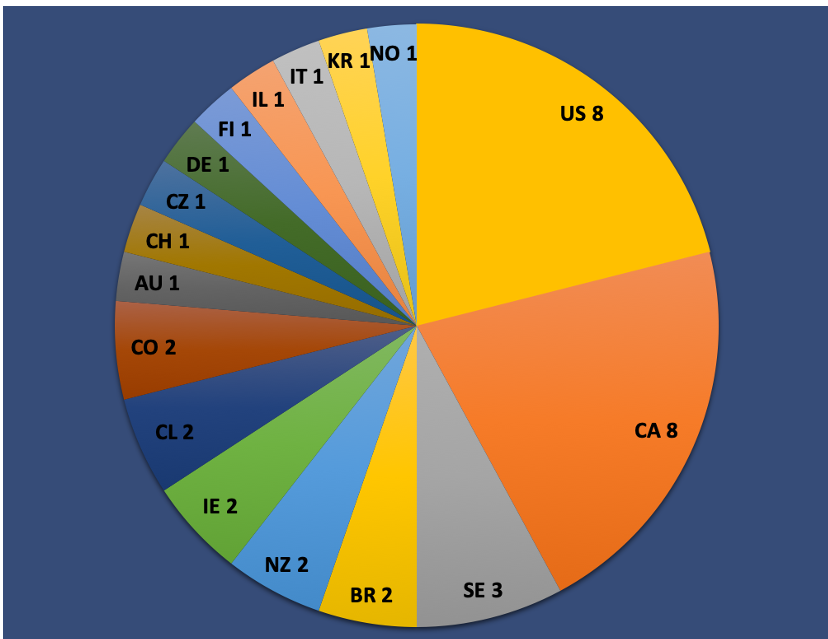 Figure 1: Global representation at GE 2019, showcasing the international recognition of the gender gap.
Key Insights and Results
The workshop surfaced several "hard truths" about the current trajectory of the field:
- The Slow Pace of Change: Without top-down institutional mandates (e.g., gender-specific hiring calls), the progress toward balance is glacial.
- Biased Algorithms: A highlighted risk is that Artificial Intelligence, built on past data, risks reproducing prejudice. It was noted that "Invisible Women" often results from data bias in a world designed by and for men.
- Sentiment and Perception: Work-in-progress showed that sentiment analysis of code comments often reveals subtle gendered differences in how developers interact and receive feedback.
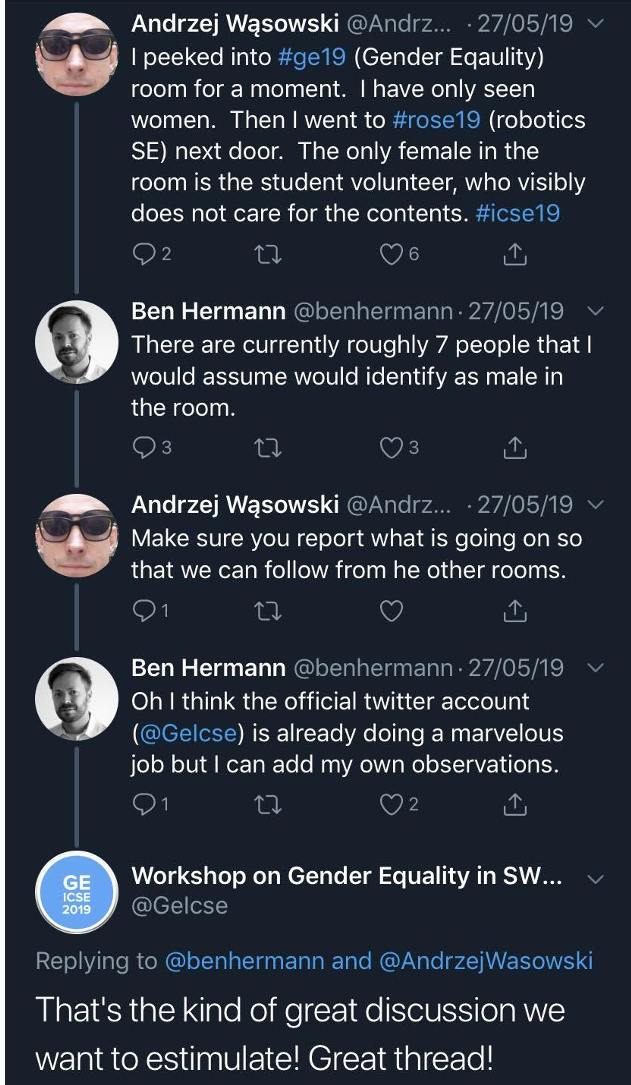 Figure 2: Community engagement highlights the necessity of involving the entire SE community, not just women, in these discussions.
Critical Analysis & Future Outlook
The GE 2019 workshop successfully transitioned the conversation from "what is the problem" to "how do we fix it." However, a significant challenge remains: Engagement of Allies. The workshop participants were overwhelmingly female, suggesting that the "Gender Equality" conversation is still often silos.
Takeaways for the Industry:
- Audit Your Data: If you use AI for hiring or performance reviews, audit that data for historical gender bias.
- Support Career Changers: Diversity isn't just about university recruits; mid-career women provide a massive, underutilized talent pool.
- Institutional Aggression: Relying on organic change is insufficient. Organizations need to consider more "aggressive" policy measures to see meaningful shifts in leadership representation.
Conclusion: Gender equality in software engineering is not just a social goal; it is a technical necessity. As software pervasively influences all human activity, a diverse set of creators is the only way to ensure the technology serves everyone fairly.