
From Sporadic to Systematic: The Architecture of Clinical Healthcare IoT
A Survey of Healthcare Internet of Things (HIoT): A Clinical Perspective
This survey explores the evolution of Healthcare Internet of Things (HIoT), specifically focusing on Clinical HIoT as a regulatory-compliant framework for medical-grade monitoring. It delineates a three-tiered architecture comprising low-power sensing, hierarchical communication (Cloudlets/Edge), and big data analytics for individualized clinical decision support.
TL;DR
The aging population and rising healthcare costs are driving a shift from reactive, hospital-centric care to proactive, continuous monitoring. This paper surveys the Clinical HIoT landscape, moving beyond consumer wearables to a regulated, three-layer architecture (Sensing, Communication, and Analytics) that provides physicians with objective, longitudinal data for diseases like Parkinson's and Huntington's.
The "Clinical" Distinction: Why your Fitbit isn't a Medical Device
The authors draw a sharp line between Personal HIoT and Clinical HIoT. While your smartwatch might track steps, Clinical HIoT involves devices specifically validated for medical accuracy, regulated by bodies like the FDA, and integrated directly into a physician’s decision-making workflow. The core problem is that clinical data today is often "sporadic"—captured only during brief office visits—leaving doctors blind to the patient's condition for 99% of their lives.
Methodology: The Three Pillars of HIoT
The survey deconstructs the system into a robust hierarchy:
- Miniaturized Sensing: Transitioning from bulky "Holter" monitors to multi-modal patches like the BioStampRC. These sensors leverage energy harvesting and CMOS miniaturization to remain unobtrusive for 24/7 use.
- Edge/Fog Infrastructure: To handle the massive data volume and latency requirements, the paper advocates for Cloudlets. Instead of individual sensors talking directly to the cloud (which drains battery), they synchronize with a local gateway (like a smartphone or AP) that performs initial preprocessing.
- Algorithmic Inference: Moving from traditional SVMs to Deep Learning. The shift here is critical: AI can now discover "latent" features in physiological signals that even experienced neurologists might miss.
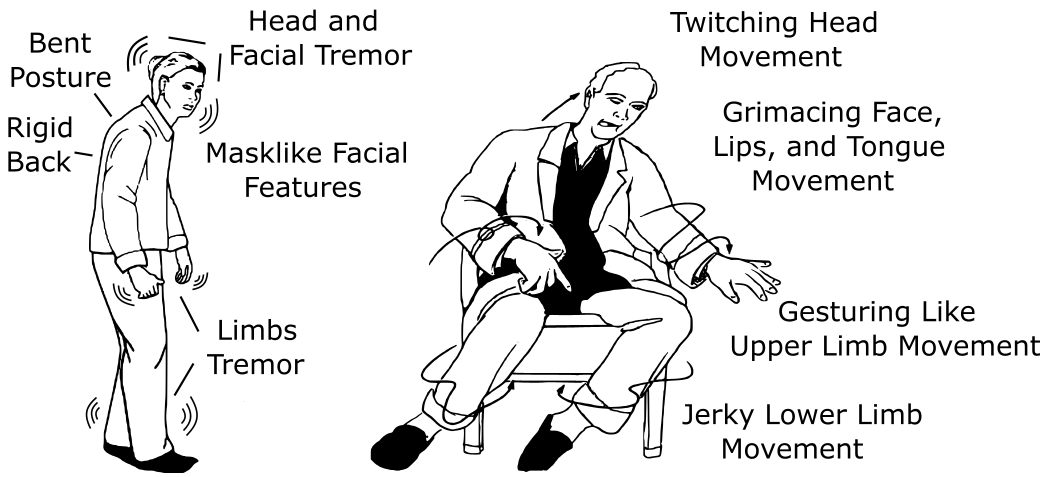 Figure 1: The holistic architecture connecting body-worn sensors to clinical decision support systems via Cloud/Fog layers.
Case Study: Quantifying Neurological Decline
The real-world efficacy of this framework is demonstrated through Parkinson's (PD) and Huntington's Disease (HD). Traditionally, these are assessed via subjective scales (UPDRS/UHDRS). By using five body-placed accelerometers, the researchers could objectively quantify:
- Gait Asymmetry: Using cross-correlation between leg sensors to see rhythmic disruption.
- Tremor Persistence: Analyzing the frequency and duration of rest tremors.
- Medication Efficacy: Visualizing the difference in patient motor control when "on" vs. "off" levodopa treatment.
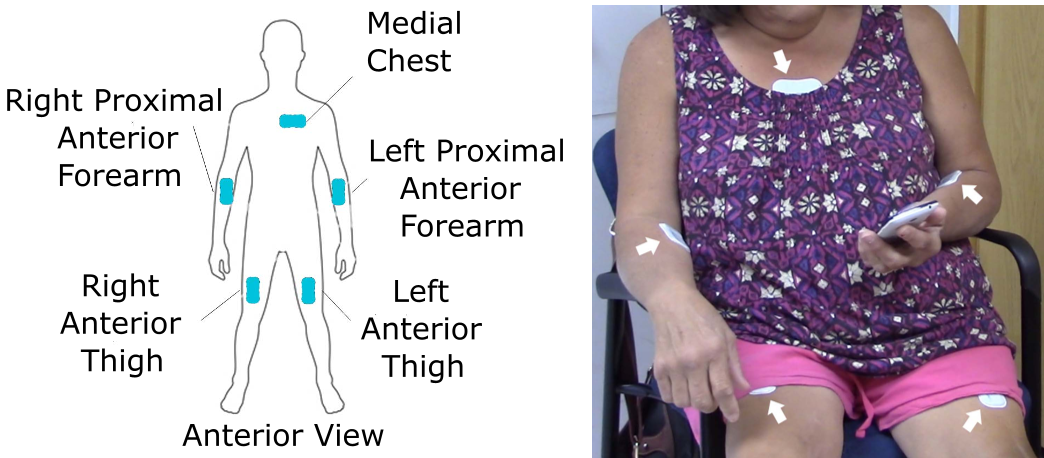 Figure 2: Specific anatomical placement of BioStampRC sensors for clinical movement analysis.
The "Visualization Crisis"
A single day of high-frequency sensor data can exceed 1GB per patient. No physician has time to audit raw waveforms. The paper highlights that the bottleneck of HIoT isn't just data collection, but data summarization. The authors use "Radial Plots" to compress an hour of tremor data into a single, interpretable graphic, allowing for instant comparative analysis between healthy controls and patients.
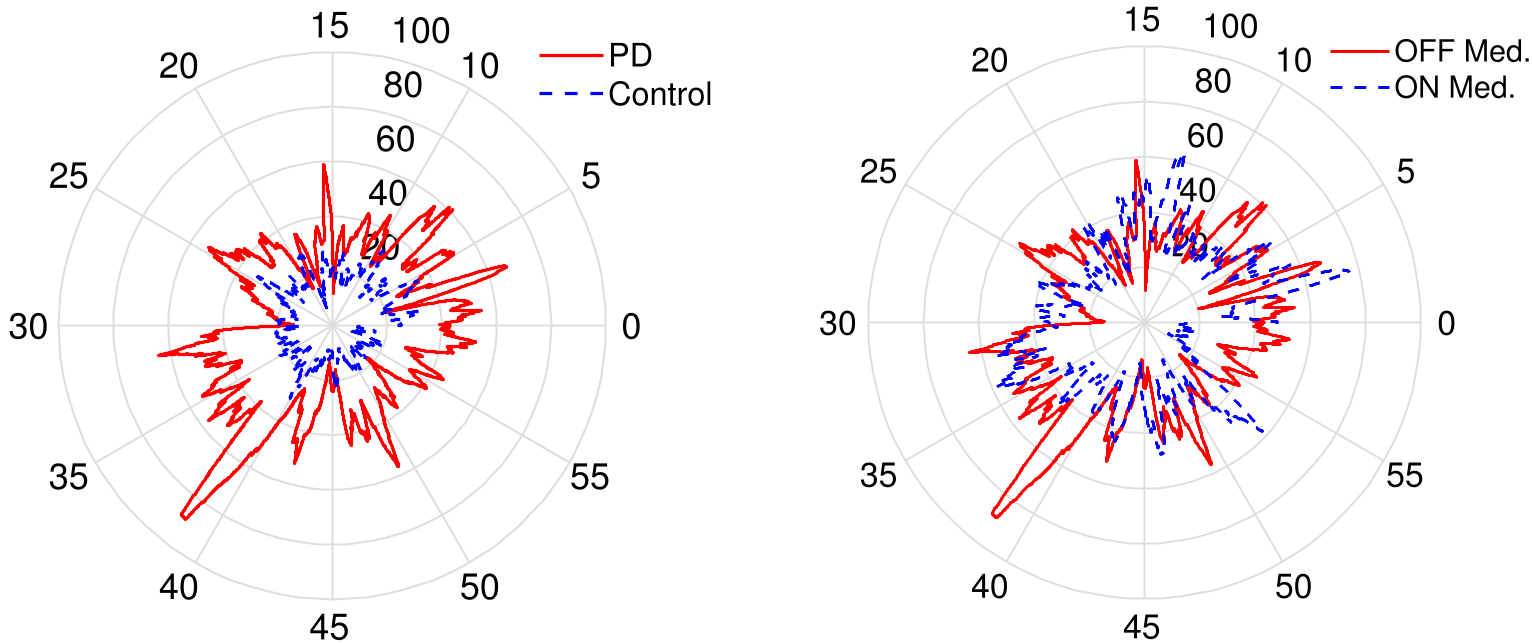 Figure 3: Radial plots comparing tremor profiles under different medication states—a prime example of clinical abstraction.
Critical Insight: The Trust Gap
Despite the technological maturity, two major barriers remain:
- Interpretable AI: Physicians are reluctant to trust "Black Box" models. If an algorithm flags an anomaly, it must provide a "thought process" (Explainable AI) to be clinically valid.
- Data Heterogeneity: As sensors evolve, the nature of the data changes. Algorithms must be "future-proofed" to handle new input dimensions without losing historical context.
Conclusion
Clinical HIoT represents a fundamental shift toward Precision Medicine. By combining continuous sensing with hierarchical edge computing and interpretable AI, we can move from diagnosing "episodes" to managing the "evolution" of health. However, the true breakthrough will not be in the sensors themselves, but in the legal and regulatory frameworks that allow this data to be safely shared and acted upon.