
Hybrid Intelligence: Harnessing SVM and Dynamic GAs for High-Leverage Forex Trading
Combining Support Vector Machine with Genetic Algorithms to optimize investments in Forex markets with high leverage
The paper introduces a hybrid machine learning framework for Forex trading (EUR/USD pair) that combines a Support Vector Machine (SVM) with a Dynamic Genetic Algorithm (GA). The system achieves a significant Return on Investment (ROI) of 83% by classifying market regimes and optimizing leveraged trading rules dynamically.
TL;DR
Financial markets are notoriously chaotic, but this paper presents a sophisticated solution: a hybrid system that uses Support Vector Machines (SVM) to sense market "weather" (regimes) and Dynamic Genetic Algorithms (GA) to evolve the best trading rules for those specific conditions. The result? A staggering 83% ROI on the EUR/USD pair with controlled risk.
The Problem: The "One-Size-Fits-All" Strategy Trap
Most trading bots fail because they are "static." They find a rule that works during a bull market, but when the market moves sideways, the bot continues to trade as if nothing changed, leading to rapid capital depletion—especially when leverage is involved.
The authors identify two core pain points:
- Environment Blindness: Models often don't distinguish between a trending market and a oscillating one.
- Lack of Adaptability: Standard GAs often get stuck in "local optima" or lose diversity, making them unable to react to the high-frequency shifts of the Forex market.
Methodology: The Hybrid Architecture
The proposed system is divided into three distinct layers to ensure modularity and robustness.
1. The Market "Sensor" (SVM Module)
Instead of just predicting "Price Up" or "Price Down," the SVM acts as a classifier. It categorizes the last 100 hours of price data into three distinct states:
- Uptrend (Bullish)
- Sideways
- Downtrend (Bearish)
By using Price Sequences instead of raw technical indicators as features, the SVM achieved a high accuracy of 85.6%.
 Figure 1: Overall system flow from Data Layer to Optimization Layer.
2. The Adaptive Brain (Dynamic GA)
Once the SVM detects the regime, it triggers one of three independent Genetic Algorithms. This is known as Associative Memory.
- Hyper-Mutation: Temporarily increases mutation rates to find new solutions if ROI stagnates.
- Hyper-Selection: Increases selection pressure to quickly refine successful rules.
- Chromosome Structure: The "DNA" of the trader includes not only technical indicator periods (RSI, MACD, etc.) but also the optimal leverage level (between 2x and 10x).
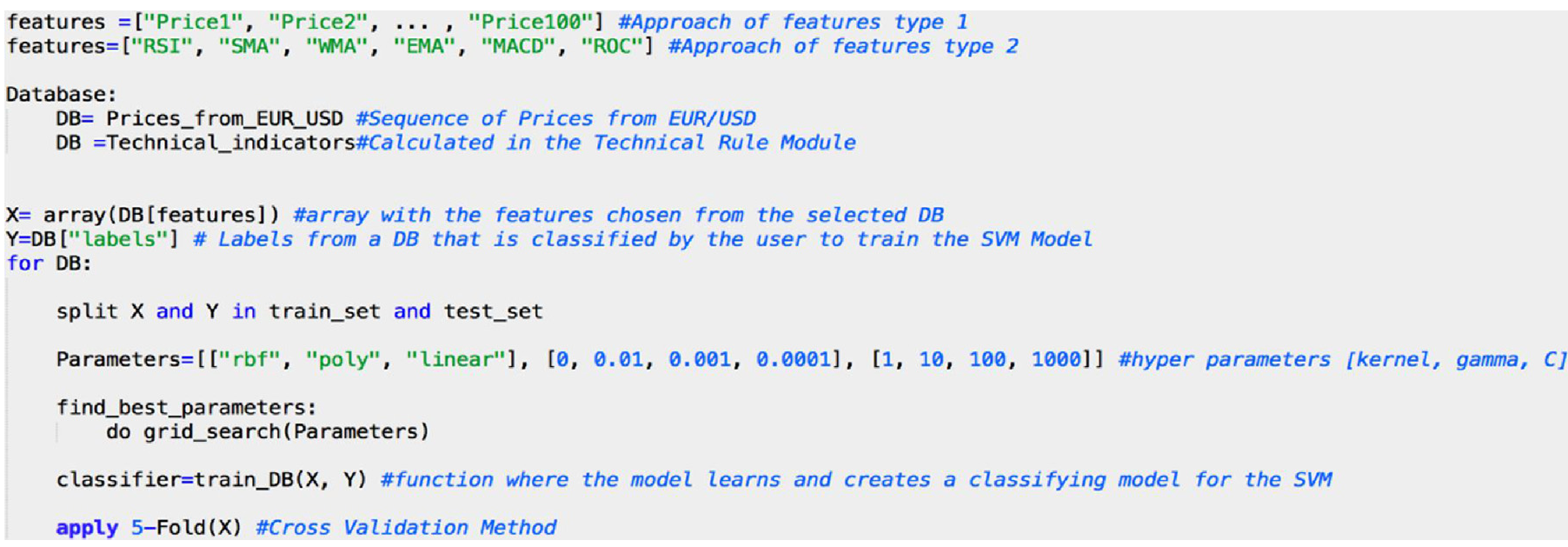 Figure 2: The chromosome encoding weights, parameters, and leverage levels.
Experiments and Results
The system was tested on the EUR/USD pair using data from 2003 to 2016.
Key Metrics:
- Dynamic vs. Static: The proposed Dynamic GA (43.9% Avg ROI) crushed the Static GA (12.5% Avg ROI).
- Stability: Despite using high leverage, the Maximum Drawdown was limited to 14%, whereas a random approach or static strategy could result in total account liquidation.
- Regime Success: The system learned that leverage should be high (9x) during clear trends and low (2x-3x) during sideways markets.
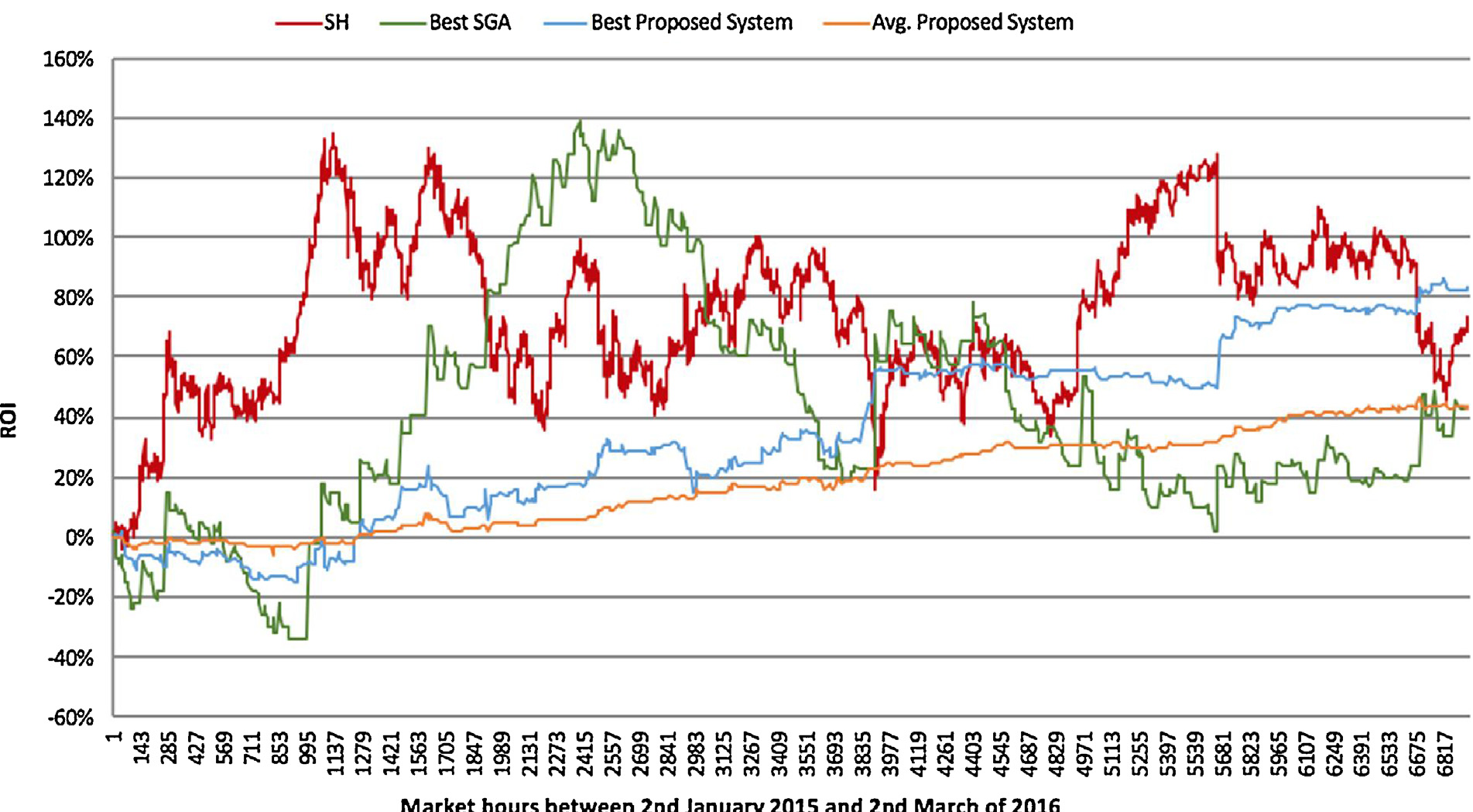 Figure 3: Cumulative ROI comparison showing the steady exponential growth of the hybrid approach.
Critical Insight: Why Does It Work?
The brilliance of this work lies in separating the optimization problem. By not forcing a single GA to learn every market condition, the authors reduced the search space complexity. The SVM acts as a "pre-filter," allowing the GA to focus on fine-tuning narrow, highly effective rules for a specific "market weather."
Conclusion and Takeaways
This paper proves that leverage is not the enemy if combined with high-precision regime detection.
- For Developers: Implementing "Memory" in evolutionary algorithms is vital for financial time-series.
- For Traders: Technical indicators are more effective when their parameters (periods/weights) are evolved dynamically rather than set as fixed defaults (like the standard RSI 14).
Limitations: The system does not account for "Black Swan" events or sudden news-driven volatility, which remains a frontier for future multi-modal AI research.