
Deciphering SMS Governance: A System Dynamics Approach to Cleaning the Telecom Ecosystem
A System Dynamics Model for SMS Governance
This paper presents a System Dynamics (SD) model to analyze and govern the harmful SMS ecosystem in China's 2G era. Using VENSIM PLE, the authors simulate interactions between carriers, Service Providers (SPs), and users to identify optimal regulatory strategies and policy impacts.
TL;DR
In the mid-2000s, the explosion of SMS services created a "Wild West" of digital communication, plagued by harmful content. This paper uses System Dynamics (SD) to model the telecommunication industry chain, proving that telecom carriers are the most effective lever for regulation. While policies like real-mobile identification successfully slash harmful messages by nearly 30%, the model warns of a significant cooling effect on user growth and industry revenue.
Background: The SMS Paradox
By 2006, SMS had become a primary revenue driver for carriers, offsetting the decline in voice service income. However, this growth came at a cost: a surge in "harmful SMS"—defined as redundancy, eroticism, or destructive information. Previous studies suggested legal fixes or manufacturer controls, but they failed to account for the interconnected feedback loops between stakeholders.
Problem & Motivation: Why Is Governance Radical?
The authors identify a systemic conflict:
- Growth Loop: More Service Providers (SPs) More Marketing More Users Higher Income.
- Harmful Loop: More SPs More Harmful SMS Lower User Satisfaction Higher Government Governance.
The motivation was to move beyond "armchair suggestions" and provide a quantitative simulation tool to help regulators understand the ripple effects of their decisions.
Methodology: The Core Architecture
The researchers split the ecosystem into four core subsystems: Income, Harmful SMS, User Amount, and Government Governance.
Archetype Analysis
The paper utilizes the "Limits to Growth" archetype. As SPs enter the market, competition intensifies. To survive, some SPs resort to aggressive or harmful SMS tactics to boost margins, which eventually triggers government intervention—the "limit" that slows the entire system.
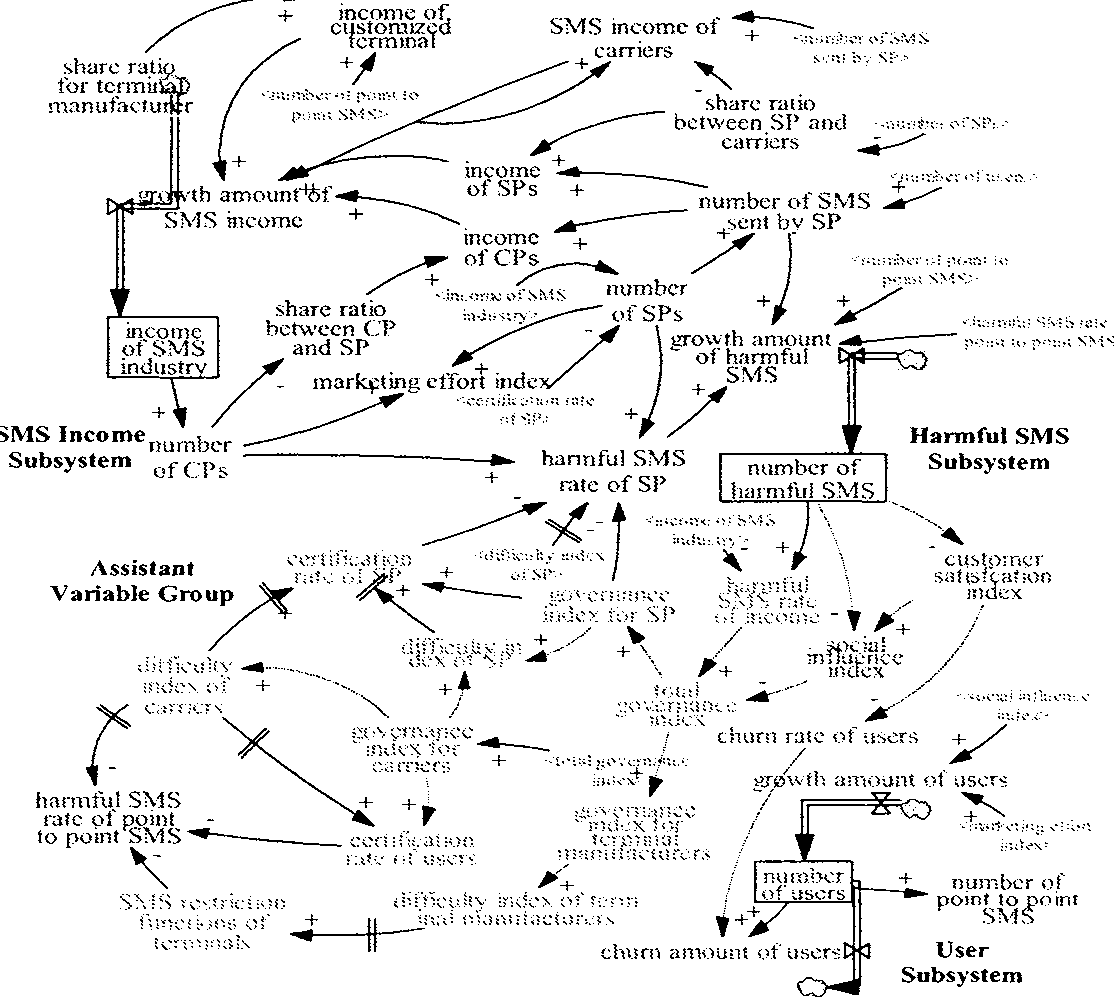 Figure 1: The complex interplay of variables in the SMS ecosystem.
Key Lever Identification
Through simulation in VENSIM, the authors tested three regulatory targets:
- Carriers (The Gatekeepers)
- SPs (The Content Aggregators)
- Terminal Manufacturers (The Hardware)
Experiments & Results: The 4:2:1 Rule
The simulation results (Figure 6 in the paper) were conclusive: strengthening the supervision of carriers outperformed SP and manufacturer regulation.
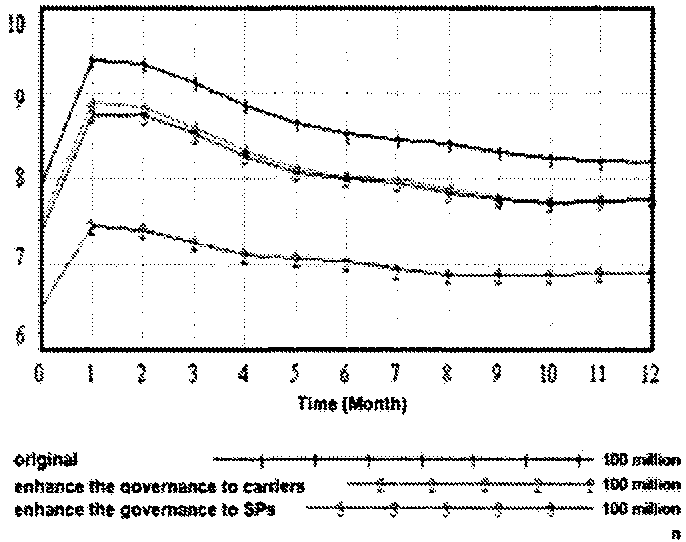 Figure 2: Impact of different regulatory targets on reducing harmful SMS volumes.
Policy Forecasts
- Real Mobile Identification: This "nuclear option" is highly effective at reducing harmful SMS (drop of 28.7%). However, the model predicts a 23.26% total user decrease in the short term, as anonymous or "gray market" users churn.
- Unification of SP Access Numbers: By forcing all SPs to use verified, traceable numbers, the harmful SMS rate drops by 34.14%, while customer satisfaction increases by 0.25 index points.
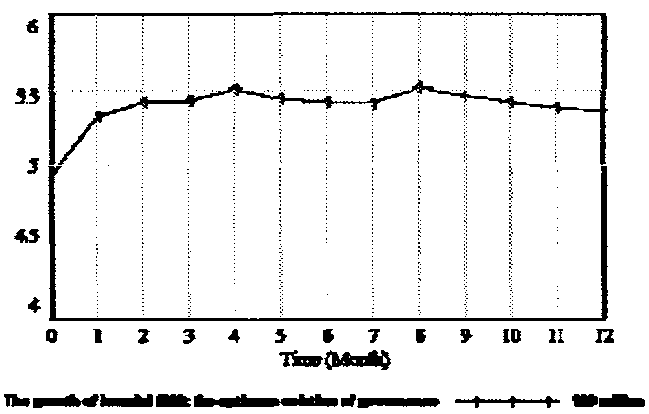 Figure 3: The "Optimal Solution" balancing governance and system stability.
Critical Insight & Conclusion
Takeaway
The study teaches us that in any multi-agent industry chain (like modern App Stores or Social Media), the central clearinghouse (the Carrier/Platform) must bear the highest regulatory burden. A balanced governance index of roughly 0.3 for Carriers, 0.15 for SPs, and 0.08 for Terminals creates the most stable environment.
Limitations
- Monopoly Assumption: The model assumes a single carrier (China Mobile). In a competitive multi-carrier market (like 4G/5G today), a single carrier's strict governance might lead users to switch to "laxer" competitors.
- Subjectivity: Some table functions in the model rely on expert opinion rather than pure statistical data, which may introduce bias.
Future Outlook
While this paper focuses on 2G SMS, the System Dynamics approach remains incredibly relevant for analyzing modern issues like AI-generated misinformation on social platforms or spam in encrypted messaging apps. The "Real ID" trade-off—security vs. growth—remains the fundamental tension of the digital age.