
Reconnecting the Golden Generation: A Systematic Deep-Dive into Social Networks for Older Adults
A Systematic Literature Review of Social Network Systems for Older Adults
This paper presents a Systematic Literature Review (SLR) analyzing 51 primary studies on Social Network Systems (SNSs) designed for Older Adults (OAs). It identifies core user requirements and compares general-purpose platforms like Facebook with "special" SNSs tailored specifically to mitigate social isolation in the aging population.
TL;DR
Social isolation is a growing "silent epidemic" among the aging population. While technology offers a bridge, most Social Network Systems (SNSs) fail to cross it. This systematic review of 51 primary studies reveals that while "specialized" SNSs provide better outcomes than "generalized" ones (like Facebook), the industry still struggles with long-term engagement, gender bias in research, and a fundamental misunderstanding of elderly "digital privacy."
The Problem & Motivation: Beyond the Digital Divide
The global population is aging rapidly; in some regions, the over-80 demographic is set to quadruple. While younger generations use SNSs like breathing, Older Adults (OAs) face significant barriers:
- Prior Work Failures: Simply stripping down Facebook (removing ads/apps) isn't enough. It neglects the specific cognitive and physical needs (manual dexterity, visual acuity) of seniors.
- The Isolation Paradox: The "oldest-old" (85+)—those at the highest risk of isolation—are the group least included in technical research and design phases.
The authors' intuition is clear: We cannot treat OAs as a homogeneous group. Their motivation for using technology is often driven by a specific need for "useful information" (health, community news) rather than just "scrolling."
Methodology: The Snowballing Approach
To avoid the "noise" of traditional database searches and capture interdisciplinary work, the researchers used a Snowballing Strategy (based on Wohlin’s guidelines). Starting from a core set of papers, they iterated through 587 references and citations to distill 51 high-quality primary studies.
The Taxonomy of Needs
The paper categorizes OA requirements into a rigorous framework:
- Functional: Access to useful information, asynchronous communication (crucial for those with chronic pain), and reducing the intergenerational gap.
- Non-Functional: Ease of use, low cognitive load, and extreme privacy stability.
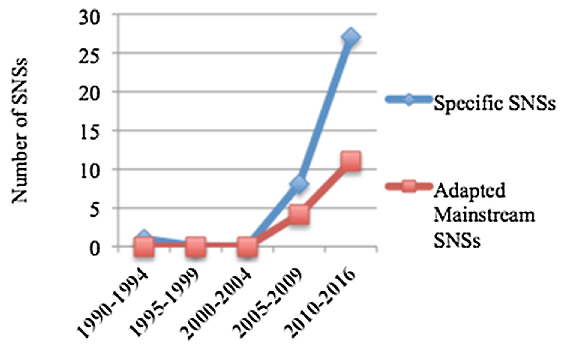 Figure 1: The systematic refinement process used to select the primary studies.
Core Insights: General vs. Special SNSs
A critical contribution of this work is the comparison between General SNSs (standard platforms) and Special SNSs (tools built from the ground up for OAs).
- Longevity: Special SNSs undergo much more rigorous testing (average 3.3 months) compared to general SNSs (often tested for mere days).
- Tangibility: Successful special SNSs often ditch the "screen-only" approach for Tangible User Interfaces, embedding connectivity into lamps, books, or tables to make technology feel familiar.
Key Requirements Frequency Analysis
| Requirement | Frequency in Literature | Type |
|---|---|---|
| Ease of Use | 49 | Non-Functional |
| Simplicity | 47 | Non-Functional |
| Privacy Management | 39 | Non-Functional |
| Useful Information | 26 | Functional |
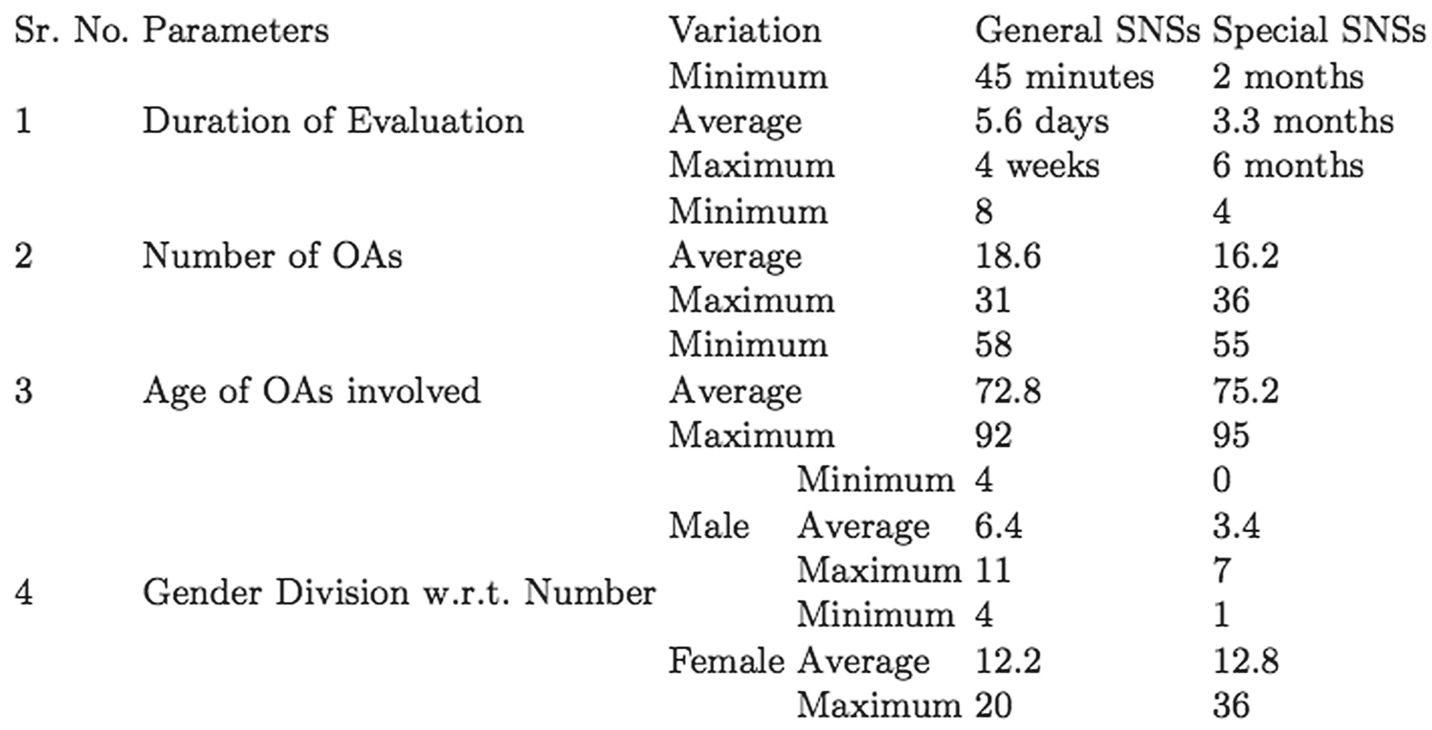 Table 1: Data points showing that Special SNSs accommodate a wider age range and longer evaluation periods.
Critical Analysis & Conclusion
While the research volume is increasing, two major "blind spots" remain:
- Gender Bias: 74% of participants in these studies were female. We have a poor understanding of how social technology serves the specific needs of older men.
- The "Researcher Effect": Motivation to use these systems often drops once the academic study ends. We haven't yet cracked the code for sustained daily integration.
Final Takeaway: The future of Gerontechnology isn't in "training" seniors to use our apps, but in designing ambient, ubiquitous systems that respect their privacy and require zero "learning" to provide value. The next frontier is moving SNSs away from the bedroom and onto the kitchen table—the heart of the home.
Future Outlook
The authors suggest that future systems should move toward Volunteer Hubs and Intergenerational Bridges, where OAs are not just passive consumers but active contributors to their local communities.