
Synchronization and Success: How Task Arrival Patterns Dictate Crowdsourcing Outcomes
Impact of Task Cycle Pattern on Project Success in Software Crowdsourcing
This paper presents an empirical analysis of task lifecycle patterns in Crowdsourced Software Development (CSD), specifically on the Topcoder platform. By identifying four distinct arrival patterns—Prior, Current, Orbit, and Fresh cycles—the study establishes a direct correlation between task scheduling sequences and project success rates.
TL;DR
Is crowdsourcing software development just about "throwing it over the wall"? This study proves that when you upload a task matters as much as what you pay. By analyzing nearly 5,000 tasks on Topcoder, researchers found that tasks arriving in "Prior Cycles" have a 96% success rate, while "Fresh Cycle" tasks fail nearly half the time.
The Hidden Risk in the Crowd
Crowdsourced Software Development (CSD) promises infinite scalability. However, for project managers, it often feels like a gamble. Why do some tasks attract dozens of experts while others sit "starved" with zero submissions?
Traditional wisdom focuses on Pricing (is the prize high enough?) or Complexity (is the task too hard?). But this paper argues we've been looking at tasks in isolation. The real driver of success is the Task Lifecycle Pattern—the temporal relationship between a task and the broader project flow.
Methodology: Mapping the Four Cycles
The authors transitioned away from looking at individual tasks to looking at "Batches." They categorized task arrivals into four distinct logic-based cycles:
- Prior Cycle: Tasks that entered the lifecycle before the current batch (Building on existing momentum).
- Current Cycle: The main batch of tasks scheduled for the current sprint.
- Orbit Cycle: Tasks belonging to the same development phase (e.g., all "Testing" tasks launched together).
- Fresh Cycle: New tasks launching after the current cycle.
The CSD Workflow
The research frames these cycles within the standard Topcoder workflow, which mimics a waterfall model but executes via competitive batches.
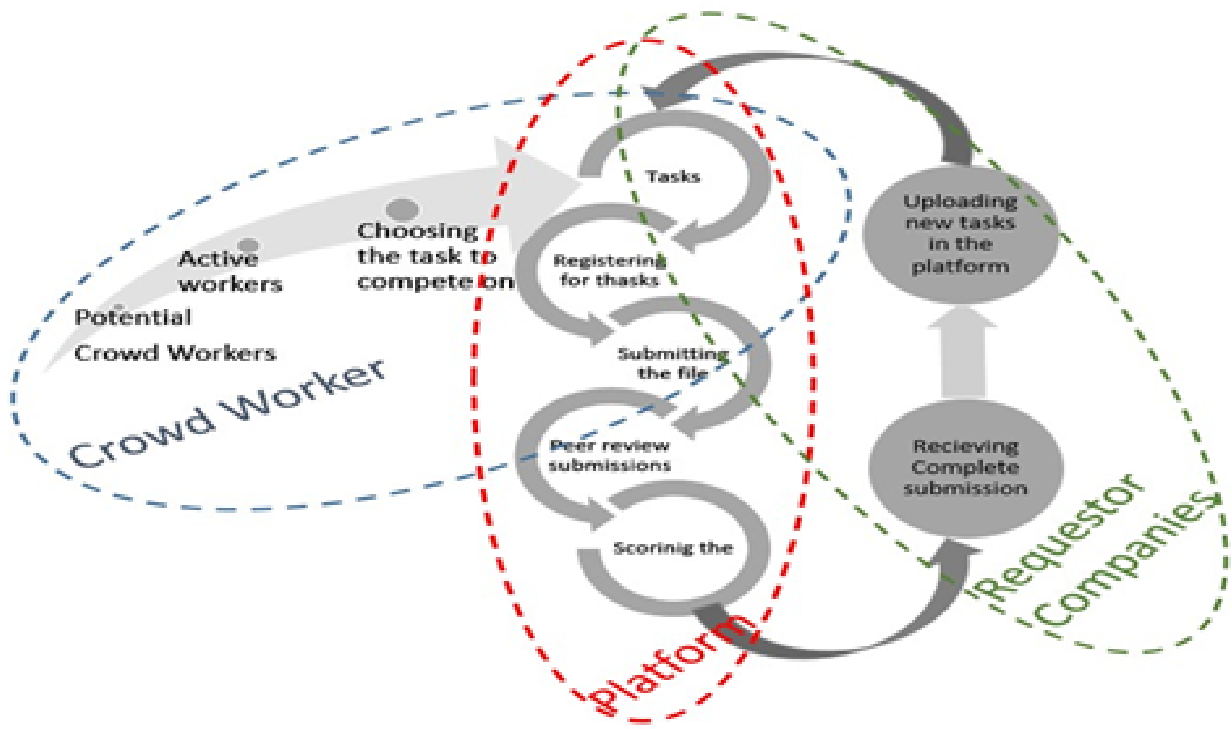 Figure 1: The journey from project decomposition to the final peer-reviewed award.
Why Projects Fail: The Phase Bottleneck
Before looking at cycles, the researchers analyzed the Waterfall Phases. The data shows a massive disparity in risk:
- Implementation: 64% of all platform failures.
- Testing: 23% of all platform failures.
- Design/Requirements: Combined < 5% failure.
The "Implementation" phase is the "Valley of Death" for crowdsourcing. This is often where "Assembly" tasks fail because they require deep context that the crowd might lack compared to the initial design phase.
The "Prior Cycle" Advantage
The most striking discovery of the paper is the impact of task arrival sequences.
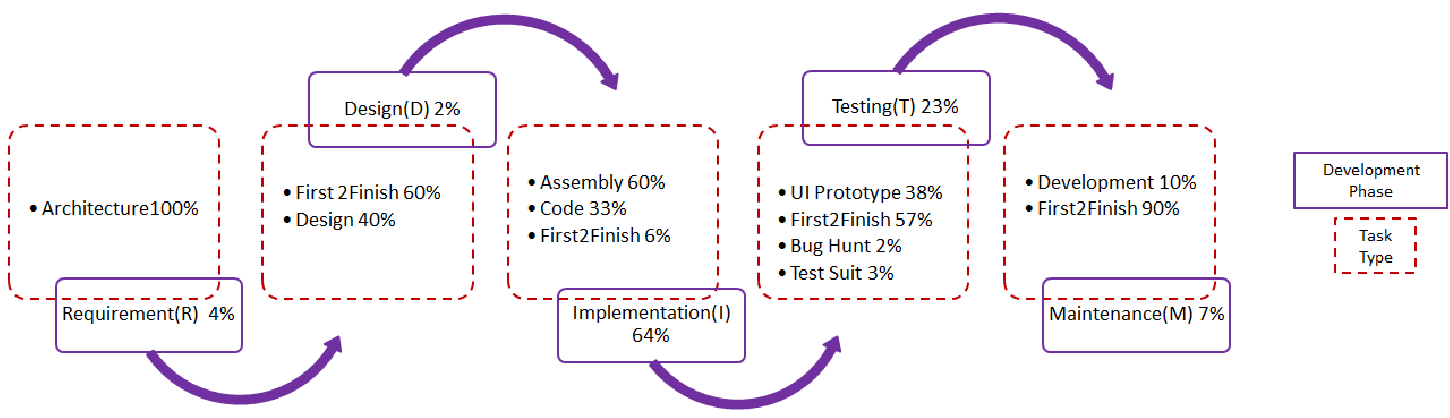 Figure 2: Definitions of Prior, Current, and Fresh cycles.
The statistics tell a clear story:
- Prior Cycle tasks had a failure ratio of only 4%.
- Fresh Cycle tasks had a staggering failure ratio of 44%.
Why does this happen? The authors suggest that Task Similarity and Worker Retention are the keys. In a Prior Cycle, workers are already familiar with the project's codebase and requirements. They are "invested." Conversely, "Fresh" tasks require a high cognitive load for new workers to understand the context, leading to higher "starvation" where no one decides to register.
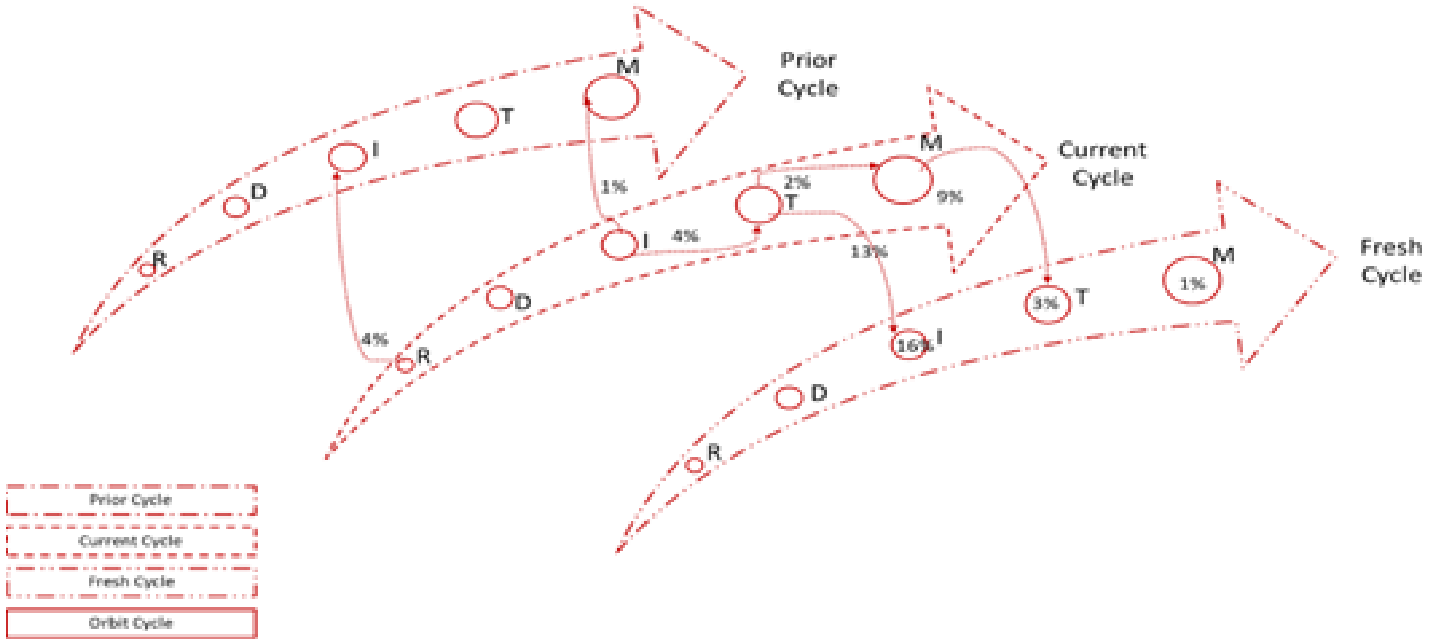 Figure 3: Graphical representation of failure ratios across different cycles.
Critical Analysis & Conclusion
This paper shifts the CSD conversation from "micro-task optimization" to "macro-flow management."
Takeaways for Managers:
- Don't "Cold Start" Implementation: Launching a massive implementation batch without a successful "Prior" design or architecture phase is a recipe for a 44% failure rate.
- Beware the Implementation Phase: Since 64% of failures happen here, these tasks require more aggressive pricing or better decomposition compared to UI prototyping or testing.
- Value the "Orbit": Grouping similar tasks enables workers to specialize, but managers must balance this against the risk of overwhelming the supply.
Limitations
While the dataset is robust (4,770 tasks), it is exclusively based on Topcoder. Different platform mechanics (e.g., Gigster's team-based model vs. Topcoder's competitive model) might yield different cycle dynamics. Additionally, the paper doesn't account for "Project-level" descriptions which might offer more qualitative clues.
Future Outlook: The next step in this research is clear—using these cycle patterns to create automated task schedulers that can predict failure before a task is even posted, allowing managers to adjust their strategies in real-time.