
From Data to Delights: How Analytics is Rewriting the Retail Playbook
Influence of technological advances and change in marketing strategies using analytics in retail industry
This paper explores the transformative synergy between Big Data analytics and emerging technologies within the retail industry. It details how the integration of video analytics, social media mining, wireless tracking, and smart vision systems disrupts traditional marketing concepts like market basket analysis and customer segmentation to minimize churn and maximize engagement.
TL;DR
The retail industry is undergoing a "quantum leap" where the physical aisle meets the digital cloud. This paper analyzes how the fusion of Big Data, Video Analytics, and Social Media mining is transforming passive shoppers into active "fans." By leveraging everything from heat maps to smart glasses, retailers are moving beyond simple sales to provide "Retail-tainment"—a blend of shopping and immersive experience that drives loyalty and curbs customer churn.
Problem & Motivation: The "Blind Spot" of Traditional Retail
For decades, brick-and-mortar retailers operated with a significant handicap compared to their e-commerce counterparts: they were "data blind." While a website knows exactly where you clicked and how long you lingered, a physical store historically only knew what you bought at the checkout counter.
The authors argue that surviving the modern economic landscape requires a 360-degree view of the consumer. The pain point isn't just competition from the likes of Amazon; it is the inability of physical stores to offer the same level of Personalization and Convenience found online. To win, retailers must treat the physical store as a live data environment.
Methodology: The Tech Stack of Modern Merchandising
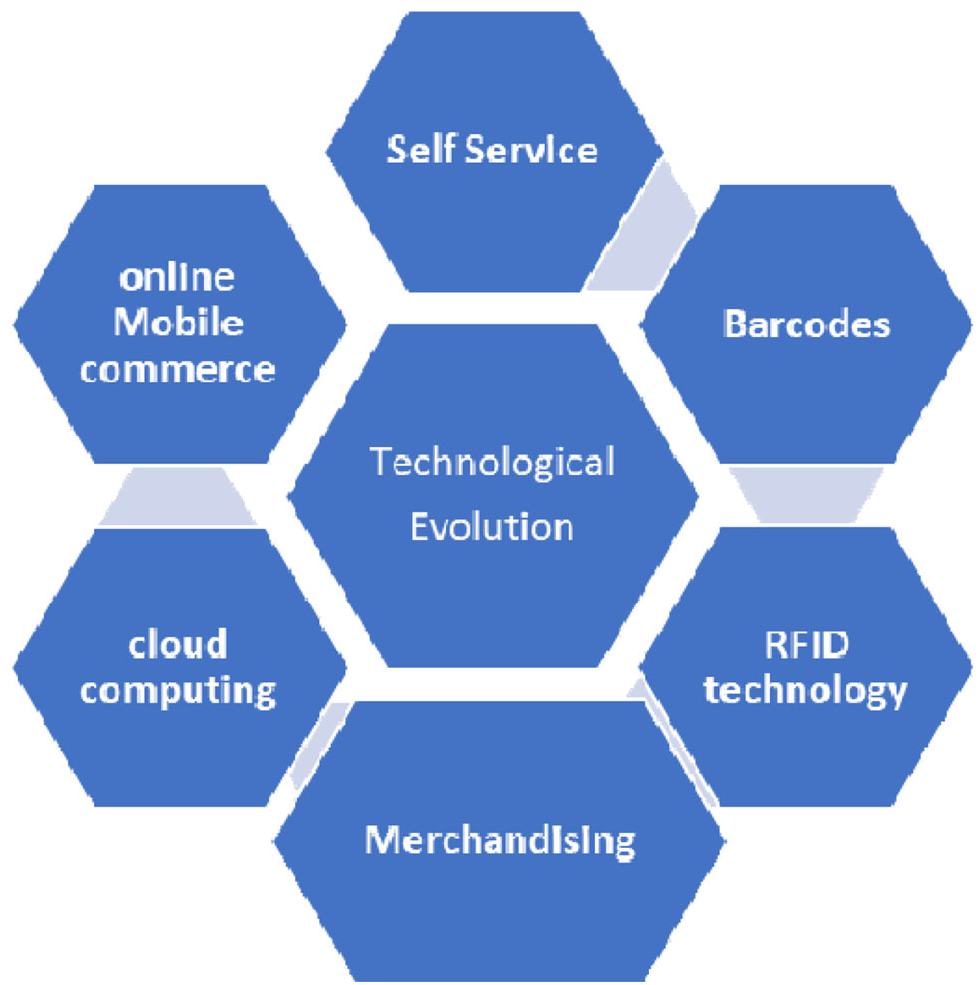
The paper outlines a multi-layered technological approach to capture the "shoppers' soul." The methodology isn't just about collecting data, but about "Amalgamative Implementation"—synchronizing different analytical silos.
1. The Smart Vision System
Gone are the days of static posters. Using Support Vector Machines (SVM) and Active Appearance Models, retailers can now detect:
- Gaze Tracking: What is the customer actually looking at on the shelf?
- Demographic Sensing: Automatically identifying gender and age to serve tailored digital ads in real-time.
2. Video & Wireless Analytics
By tracking Wi-Fi signals and using "Heat Maps," store managers act as "Data Whisperers." They identify high-traffic "dead zones" and optimize shelf space where visibility is highest (usually near the Point of Sale).

3. The Smart Glass Revolutionary Pattern
One of the most innovative insights in the paper is the classification of behavior via wearable tech like Google Glass. Customers are categorized into:
- Dwellers: Killing time/unsure.
- Gazers: Comparing brands (the primary target for intervention).
- Reachers: High intent to buy.
Experiments & Results: The Rise of Retail-tainment
The authors point to successful case studies, such as Coca-Cola Freestyle, which uses a digital link to communicate flavor demand in real-time, and Tommy Hilfiger’s VR runway shows.
| Metric | Current State | Projected/Impact |
|---|---|---|
| Personalized Data Usage | 22% of Retailers | Major Driver for Future Revenue |
| Indian Retail Market Size | $630 Billion (2015) | 1.2 Trillion (2020) |
| Organized Retail CAGR | Standard Growth | 22% Expected Growth |
The results emphasize that "Retail-tainment"—the blending of entertainment with shopping—is no longer optional. A Capgemini study cited shows that 70% of consumers still want to touch products, but 57% demand more than just a transaction; they want an experience.
Deep Insight & Conclusion: The "HEROes" of Retail
The paper concludes that the industry needs a new breed of professionals: HEROes (Highly Empowered and Resourceful Operatives). These are the community managers and data scientists who can turn "Share of Voice" and "Sentiment Analysis" into a supply chain that responds in hours, not weeks.
Critical Perspective: While the technical roadmap is robust, the paper acknowledges a significant hurdle: The Talent Gap. There is a substantial shortage of trained data scientists to drive these programs. Furthermore, the "Unorganized Sector" (small local shops) remains a massive part of the market (80% by 2025) that technology has yet to fully penetrate.
Takeaway: In the era of Big Data, the shelf tag is no longer a price sticker; it's a dynamic interface. Retailers who fail to embrace the "nexus of technology and analytics" will find their "Kings" (the customers) abdicating to digital rivals.