
TMSP: Redefining HCI for the Next 25 Years of Social Challenges
Technology-Mediated Social Participation: The Next 25 Years of HCI Challenges
This seminal position paper introduces the "Technology-Mediated Social Participation" (TMSP) framework, shifting HCI's focus from psychological individual-user interactions to sociological community-scale engagement. It proposes the Reader-to-Leader framework and the development of specialized "Social Processing Units" (SPUs) to address national priorities like healthcare, disaster response, and open government.
TL;DR
Ben Shneiderman argues that the future of Human-Computer Interaction (HCI) lies not in the "individual at the desk," but in Technology-Mediated Social Participation (TMSP). By shifting from psychological reductionism to a sociological perspective, this paper outlines how social media can be harnessed for high-stakes national priorities like disaster response and healthcare through the Reader-to-Leader framework and advanced network analytics.
Background Positioning: From "User" to "Community"
For decades, HCI focused on optimizing the interface between one human and one machine. Shneiderman’s work marks a pivotal shift in the academic coordinate system, moving the discipline toward Human-Social Interaction (HSI). It positions social media not just as a tool for "playful" interaction, but as a critical infrastructure for collective intelligence and action.
The Core Challenge: The Gap Between Theory and Scale
Current social media platforms often struggle with the "participation inequality" (the 1-9-90 rule) and the perceived shallowness of online "weak ties." Shneiderman identifies a critical bottleneck: we lack the prescriptive theories to motivate users to move from passive consumption to active governance, and we lack the computational power to analyze the resulting massive social graphs in real-time.
Methodology: The Reader-to-Leader Framework
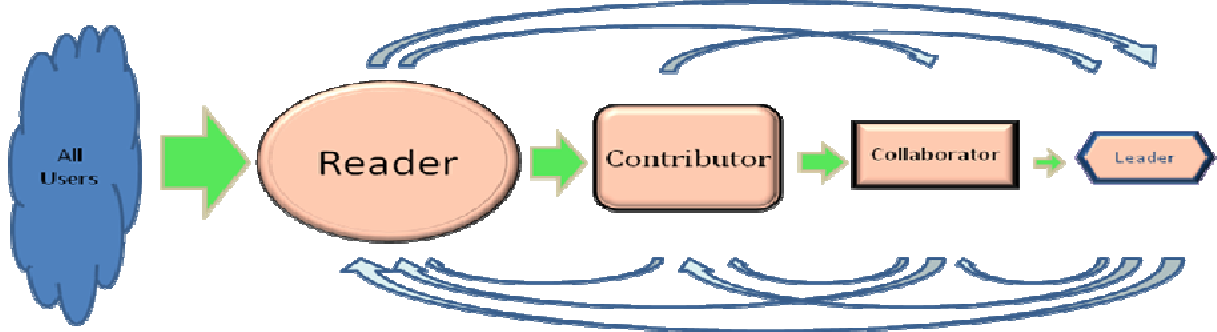
The central pillar of this methodology is the Reader-to-Leader Framework, which maps the journey of a user through four distinct stages of engagement:
- Readers: Passive consumers of content.
- Contributors: Users who provide ratings, reviews, or small edits.
- Collaborators: Users who work with others to plan and execute tasks.
- Leaders: High-commitment users who engage in governance and policy-setting.
Beyond behavioral models, Shneiderman calls for Social Processing Units (SPUs)—specialized hardware capable of handling network metrics like betweenness centrality and eigenvector centrality that standard CPUs struggle to partition efficiently.
Evidence & Results: Turning Data into Action
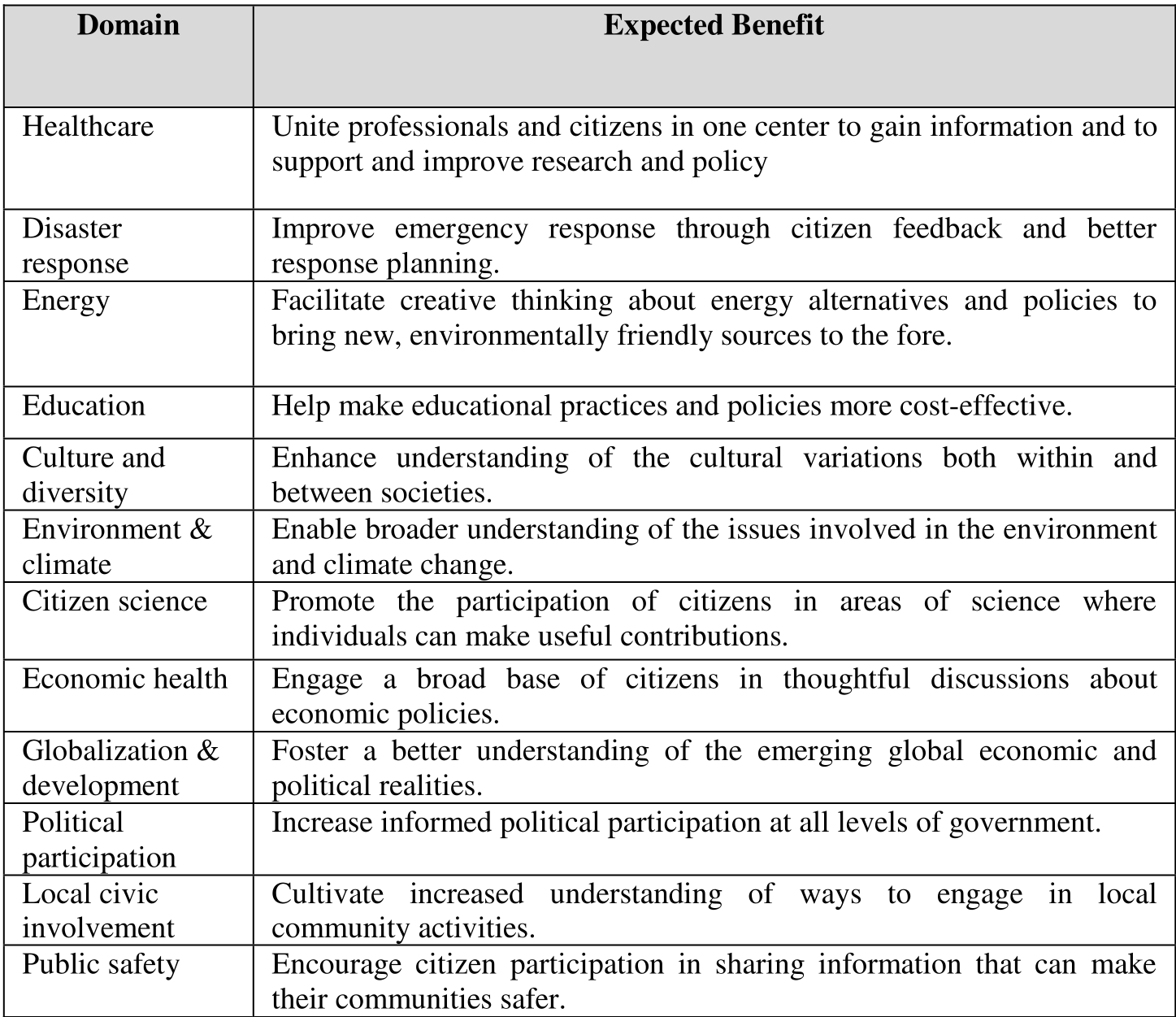
The paper highlights the real-world impact of TMSP through various domains. For instance, in disaster response, social media enabled the rapid collection of millions of dollars for the Haitian earthquake and the creation of "Crisis Camps" to map disaster zones where official maps failed.
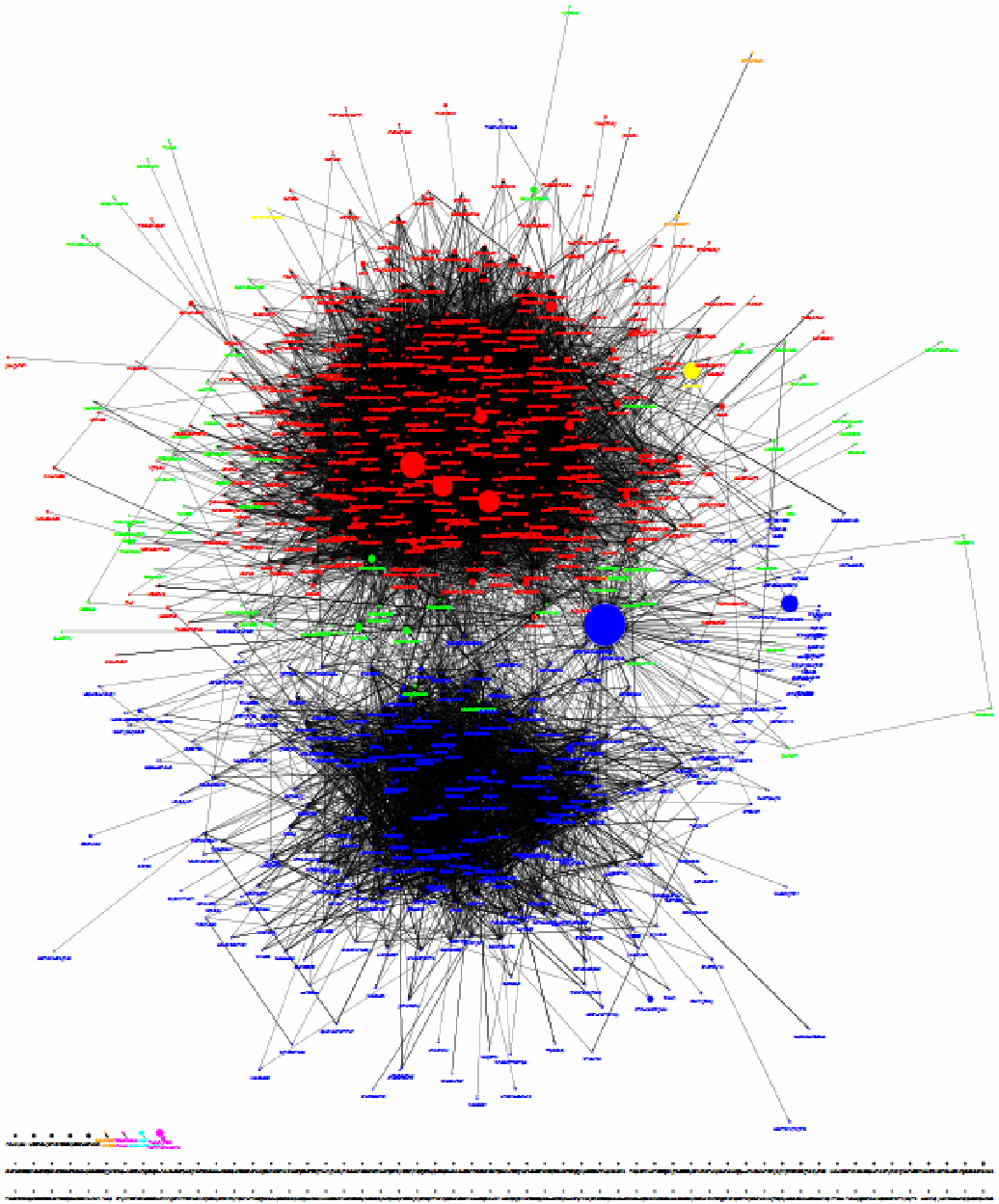
The introduction of NodeXL (visualized below) represents a major experimental achievement. It integrated complex social network analysis into the familiar Excel environment, allowing researchers to visualize "small-world" networks and identifying influential "bridges" within communities.
Critical Insight: Science 2.0
Shneiderman’s most profound insight is the call for Science 2.0. Unlike traditional "Science 1.0," which relies on controlled lab experiments (reductionism), Science 2.0 embraces the "strange entanglements" of human behavior in situ. This requires a move toward Multi-dimensional Long-term In-depth Case studies (MILCs) to validate how trust, empathy, and responsibility evolve in digital spaces.
Conclusion & Future Outlook
While the TMSP framework offers a roadmap for social empowerment, it also serves as a warning. The same tools that ban landmines (the Jodie Williams case) can be used for "digital Maoism" or state surveillance. The future of HCI research must therefore be as much about ethical standards and privacy protection as it is about social engagement. This paper doesn't just ask for better buttons; it asks for a better society through code.