
Facebook as a Research Engine: Boosting Adult Self-Efficacy through Tech-Enabled PBL
The effect of technology supported problem-based learning approach on adults’ self-efficacy perception for research-inquiry
This study investigates the impact of integrating Facebook into a Problem-Based Learning (PBL) framework to enhance adult learners' self-efficacy for research-inquiry. Using a mixed-methods approach with graduate students, the research demonstrates that technology-supported PBL significantly improves the "Sustaining Research" dimension of self-efficacy.
TL;DR
In an era where social media is often dismissed as a distraction, new research by Cigdem Hursen demonstrates that Facebook, when paired with Problem-Based Learning (PBL), can significantly enhance an adult learner's capacity to sustain complex research-inquiry. By fostering a "blended" environment, the study found that students became significantly more effective at planning, focusing, and finalizing academic investigations.
Background: The Adult Learner's Bridge
For adult graduate students, the transition from consuming knowledge to producing it (research-inquiry) is often fraught with self-doubt. While PBL is a proven pedagogy for developing critical thinking, its execution in traditional classrooms can be fragmented. The author posits that social networks provide the "connective tissue" needed to bridge classroom theory and independent research.
The Problem: Why Traditional PBL Stalls
Existing PBL models often struggle with:
- Isolation: Research is often perceived as a lonely, daunting task.
- Feedback Loops: Waiting for weekly sessions for instructor or peer feedback slows down the iterative process of inquiry.
- Resource Fragmentation: Gathering and sharing dynamic resources (videos, live docs) is clunky via email or basic portals.
Methodology: The "EPÖ 602" Model
The study utilized a single-group pre-test/post-test design involving 25 graduate students. The researcher created a closed Facebook ecosystem to host a curriculum centered on John Dewey’s problem-solving technique.
The Workflow:
- Scenario Sharing: Real-world curriculum problems were posted on Facebook.
- Online Collaborative Inquiry: Heterogeneous groups of 5 used the platform to brainstorm and divide research tasks.
- Active Peer Review: Students evaluated each other's projects directly on the feed, creating a living repository of knowledge.
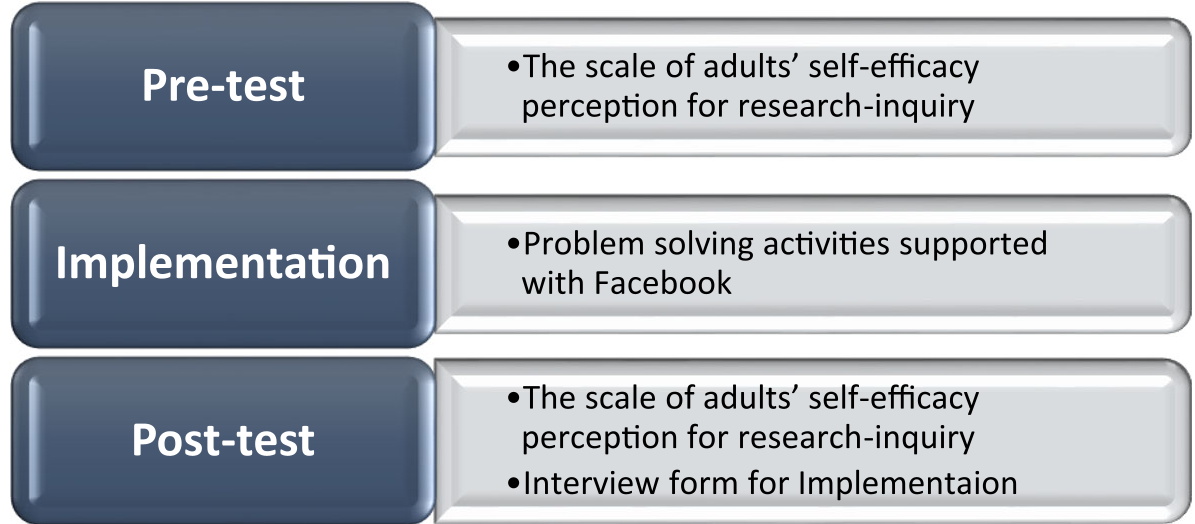 Figure 1: The mixed-method research design used to evaluate the intervention.
Critical Results: Sustaining the "Inquiry"
The statistical analysis (Wilcoxon Signed-Rank Test) revealed a nuanced outcome. While "Avoidance" and "Personal Development" scores remained relatively stable (likely because graduate students already have a baseline level of motivation), the "Sustaining Research" dimension saw a marked improvement.
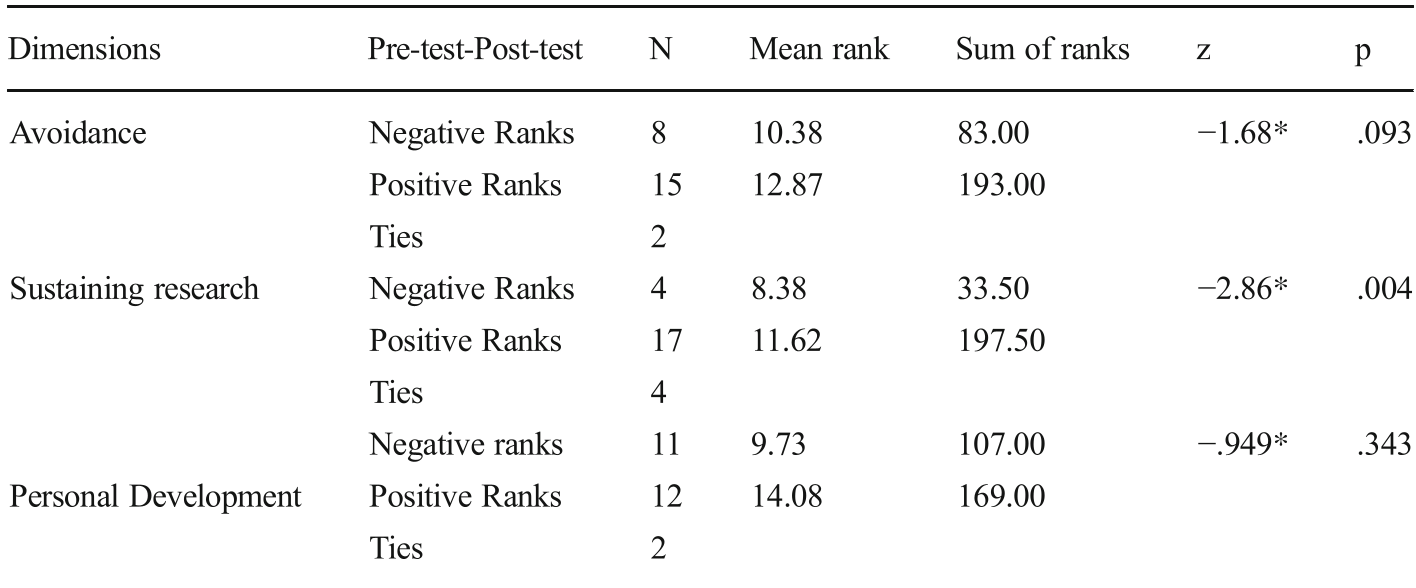 Table 1: Significant increase noted in the Sustaining Research dimension (p = .004).
Why It Succeeded:
- Immediate Feedback: The "Convenience" theme in qualitative data showed that immediate peer correction reduced the "stalling" phase of research.
- Socialization of Labor: Collaborative toolsets made the "heavy lifting" of research feel like a shared responsibility, lower the psychological barrier to entry.
The "Double-Edged Sword": Distractions & Technology
Despite the success, the study doesn't ignore the "Facebook News Feed" effect. Qualitative interviews highlighted a few critical limitations:
- The Distraction Factor: The inherent nature of social media can pull students away from the academic task.
- Technical Literacy: Not all adults are equally comfortable with "socializing" their learning, suggesting a need for a tech-orientation phase.
Final Insight
The true value of this work lies in its validation of Social Network Sites (SNS) as legitimate academic scaffolding. By leaning into platforms where students already spend their time, educators can transform "passive scrolling" into "active research-inquiry," provided they maintain the structured boundaries of a PBL framework.
Conclusion
For future curriculum developers, the takeaway is clear: don't fight the social media tide—channel it. When the barrier to communication and resource sharing is lowered, the student's belief in their ability to finish a research project increases.