
Deciphering Environmental HCI: Beyond the "Green" Hype
Three environmental discourses in human-computer interaction
This paper presents a discourse analysis of environmental Human-Computer Interaction (HCI), identifying three dominant paradigms: Sustainable Interaction Design, Re-visioning Consumption, and Citizen Sensing. It categorizes the field's evolution over a decade and proposes participatory design and infrastructure-level interventions as critical future research directions.
TL;DR
Is "Environmental HCI" just about making apps to track your carbon footprint? Not quite. Elizabeth Goodman’s seminal review identifies three distinct ways the field talks about—and designs for—the environment: Sustainable Interaction Design, Re-visioning Consumption, and Citizen Sensing. The paper argues that we need to stop treating "nature" as a neutral backdrop and start tackling the massive political and infrastructural systems that actually dictate our ecological impact.
Problem: The Ambiguity of "Green"
In the late 2000s, HCI saw a "burgeoning" of environmental projects. However, the term "sustainability" became so overused it started to lose meaning. As Goodman points out, how we frame an environmental problem determines the solution we design. If we view the environment as a passive receiver of human "footprints," we build apps to shame individual consumers. If we view it as a political battleground, we build sensor networks for activists.
Methodology: Mapping a Decade of Discourse
Goodman performed a discourse analysis on 120 key documents (1998–2008), including NSF grants and ACM publications. A discourse is a "shared way of apprehending the world." By looking at the terminology, metaphors, and artifacts produced, she identified three primary camps:
 Table 1: The corpus of documents analyzed, showing the mix of peer-reviewed and project-based sources.
1. Sustainable Interaction Design (The Majority)
This is the dominant camp (95% of the reviewed papers).
- Metaphor: The "Footprint."
- Assumptions: Humans are powerful actors; the Earth is a passive receiver.
- Outcomes: "Eco-feedback" displays, games, and persuasive apps aimed at changing individual habits.
- Critique: It assumes everyone has the "free choice" to lead a green life, ignoring poverty or institutional constraints.
2. Re-visioning Consumption (The Minority)
This group (14% of papers) focuses on the "why" behind our values.
- Inquiry: Instead of "How do we stop people from using water?", they ask, "What does water mean to this community?"
- Outcomes: "Probes" and critical art installations designed to provoke reflection rather than provide a direct solution.
- Value: It surfaces the cultural and emotional ties we have to the living world.
3. Citizen Sensing (The Techno-Political)
Moving from the wilderness to the city, this camp treats data as a weapon for change.
- Metaphor: "Exposure."
- Assumptions: Local data is more persuasive than global statistics. Maps of air pollution can force political action.
- Outcomes: Mobile sensor platforms and visualization maps for grassroots activists.
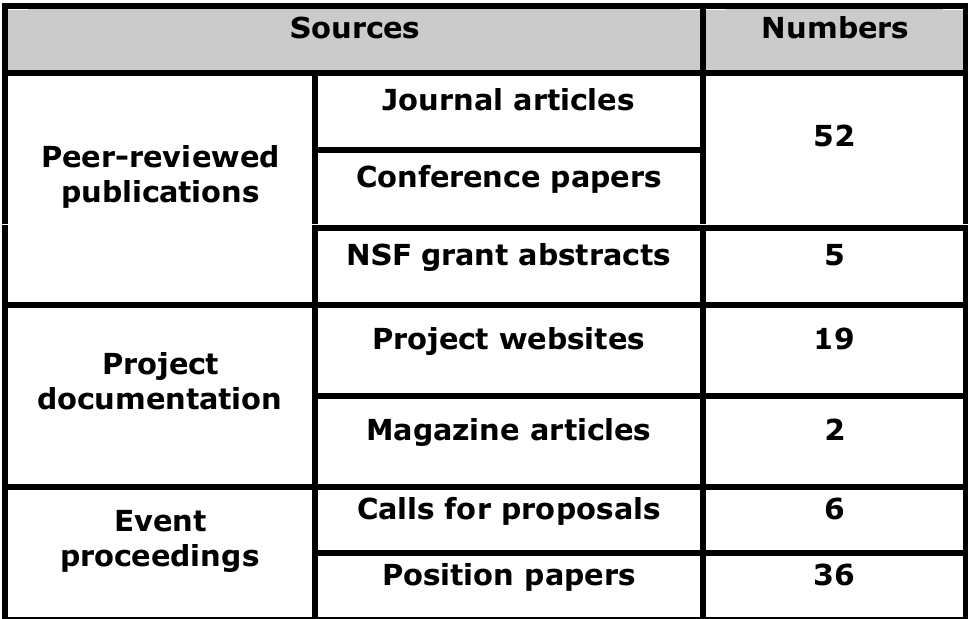 Figure 1: Examples of artifacts from different discourses, ranging from energy-tracking games to community pollution maps.
Critical Insight: The Shift Toward Infrastructure
The paper’s most provocative argument is the call to move beyond human-centered computing. Most current HCI work focuses on individual devices (phones, smart appliances). However, real sustainability is "bound up in politically sensitive" negotiations with corporate and governmental infrastructures.
Goodman suggests that the future of the field lies in:
- Participatory Design (PD): Engaging users not just as "testers" but as co-creators who help define what the environmental problem actually is.
- Long-term Partnerships: Alllying with policy makers, community activists, and urban planners rather than just building standalone apps.
Perspective & Conclusion
This paper serves as a vital reality check. By categorizing the "ubiquitous ambiguity" of the field, Goodman pushes researchers to move past the "green hype." The takeaway is clear: the most impactful "environmental HCI" might not look like an app at all—it might look like a new way to interact with the political and material infrastructures that govern our lives.
Takeaway: Stop designing for the "average consumer" and start designing for the "engaged citizen" within a complex, institutional world.