
To Each Their Own (Type): Deciphering the Multidimensional DNA of Digital Players
To Each Their Own (Type): A Systematic Mapping Study on Player's Motivations, Behavior, and Personality Characteristics
This paper presents a systematic mapping study (SMS) of 19 academic works proposing or updating player taxonomies and typologies. It synthesizes diverse classification frameworks based on player motivations, behaviors, and personality traits to support game design and user engagement strategies.
TL;DR
Understanding "who plays" is as critical as "what is played." This systematic mapping study analyzes 19 major player classification frameworks, bridging the gap between abstract player motivations and concrete game design. By synthesizing behavior, motivation, and personality, the research provides a roadmap for designers to create more engaging, personalized gaming experiences.
Background: Beyond the "Bartle" Paradigm
For decades, the "Four Player Types" proposed by Richard Bartle (Achievers, Explorers, Socializers, Killers) reigned supreme. However, as the gaming landscape shifted from simple MUDs to complex Metaverses and MOBAs, these archetypes became insufficient. This paper positions itself as a critical synthesizer, identifying how modern research has expanded into psychographics and behavioral metrics to capture the "multidimensional view" of the contemporary player.
The Problem: A Tower of Babel in Game Research
The authors identify a significant hurdle in Game User Research (GUR): Terminological Inconsistency.
- Taxonomy vs. Typology: While often used interchangeably, a Taxonomy is empirically driven (bottom-up from data), whereas a Typology is conceptually driven (top-down from theory).
- Fragmentation: Without a systematic overview, designers struggle to know if a model built for MMORPGs (like Yee’s) applies to a hyper-casual mobile game or a gamified fitness app.
Methodology: Mapping the Player Landscape
The researchers executed a rigorous Systematic Mapping Study (SMS) to extract the "features" of existing classifications.
Key Classification Entities
The study analyzed works across four primary lenses:
- Behavioral: What the player actually does (e.g., "Snipers" or "Trolls").
- Motivational: Why they play (e.g., "Escapism" or "Achievement").
- Psychographic: Attitudes and values.
- Personality: Underlying traits (e.g., the Big Five factors).
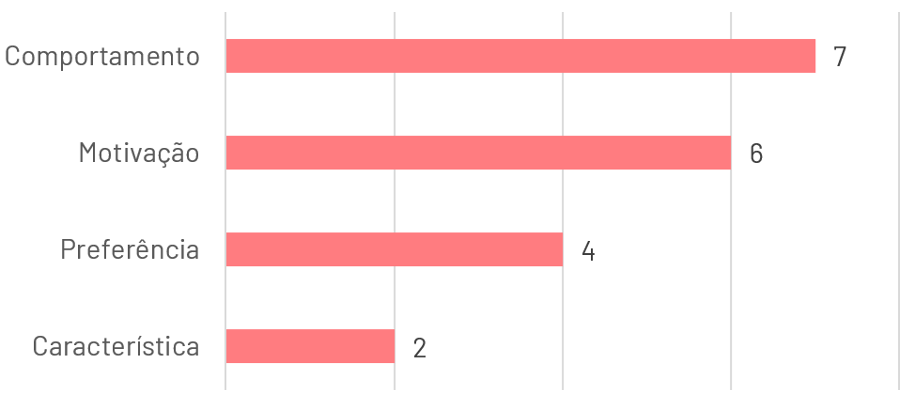 Figure 1: Distribution of classification entities across the surveyed literature.
Core Insights: The "Magic Number 4"
One of the most fascinating findings is the trend toward simplicity. Despite the complexity of human psychology, 52.6% of the analyzed studies proposed four categories.
Table excerpt: Comparing 19 studies including the Trojan Player Typology [45] and the BrainHex model [55].
Why 4 Categories?
- Designer Utility: Frameworks with 10+ categories (like Tondello's 14-category model) are precise but often too complex for rapid design iteration.
- Binary Dichotomies: Many models rely on two axes (e.g., Action vs. Interaction, World vs. Players), naturally resulting in four quadrants.
Experimental Findings & Results
The paper highlights a shift from self-reported surveys to Game Metrics/Analytics.
- Six studies (31.58%) now derive player types directly from telemetry data (play hours, win/loss ratios, map exploration).
- Genre Specificity: Most classifications target "General Games" (66%), but specific models for MOBAs and RPGs show much higher predictive power for player churn and engagement.
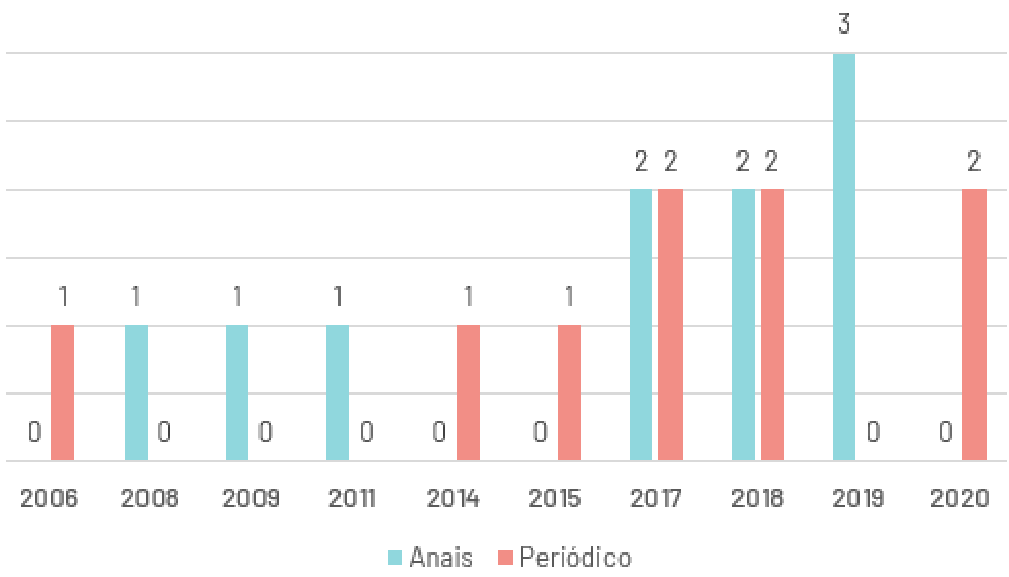 Figure 2: Publication trends showing the surge in player typology research between 2017 and 2020.
Critical Analysis: Missing Links
The study identifies three major gaps in current research:
- Cultural Bias: Most models are validated in Western contexts. There is an urgent need to understand how "Player Types" differ in markets like Brazil or China.
- Personality Neglect: While behavior is easy to track, the "Personality" trait (who the person is outside the game) is significantly under-researched.
- Interface Correlation: There is a missing link between player types and specific UI/UX elements. Does a "Socializer" prefer certain chat interface designs over a "Killer"?
Conclusion: Designing for the "Individual"
The ultimate takeaway of "To Each Their Own (Type)" is that engagement is not a monolith. By utilizing this systematic map, game designers can move beyond "one-size-fits-all" mechanics. Instead, they can segment their audience and tailor rewards, narratives, and challenges to match the intrinsic motivations of specific player archetypes.
The path forward lies in Experimental Mapping: directly testing how a specific game feature (like a leaderboard) influences the engagement of a specific player type (like a "Mastery-Avoidance" player).