
Cultural Intelligence in Marketing: Decoding eWOM through Topic Modeling and Decision Trees
Supporting digital content marketing and messaging through topic modelling and decision trees
This paper proposes a machine learning framework that integrates Structural Topic Modelling (STM) and Decision Trees (DT) to optimize Digital Content Marketing (DCM) in the tourism sector. By analyzing tourists' electronic Word of Mouth (eWOM) alongside cultural and economic metadata, the method achieves high classification accuracy (AUC up to 90%) for predicting traveler satisfaction across different hotel tiers.
TL;DR
This research introduces a robust, explainable AI pipeline to personalize digital marketing content. By combining Structural Topic Modelling (STM) with Decision Trees, the authors successfully map the hidden associations between a tourist's cultural/economic background and their specific service expectations. The result is a roadmap for "what" to say to "whom," moving beyond simple demographic targeting to deep, value-based messaging.
Problem & Motivation: The "What" Gap in Digital Marketing
In the age of Digital Content Marketing (DCM), algorithms are excellent at figuring out when to send an email or who is likely to click. However, they remain remarkably poor at determining the content of that message.
Most current systems utilize "black-box" neural networks that predict conversion but don't explain why a specific traveler preferred a message about "spa services" over "local culture." Furthermore, hospitality research has long ignored the Cultural and Economic Distance—the psychological gap between a traveler's home country and their destination—which fundamentally shapes their perception of service quality.
Methodology: The White-Box Approach
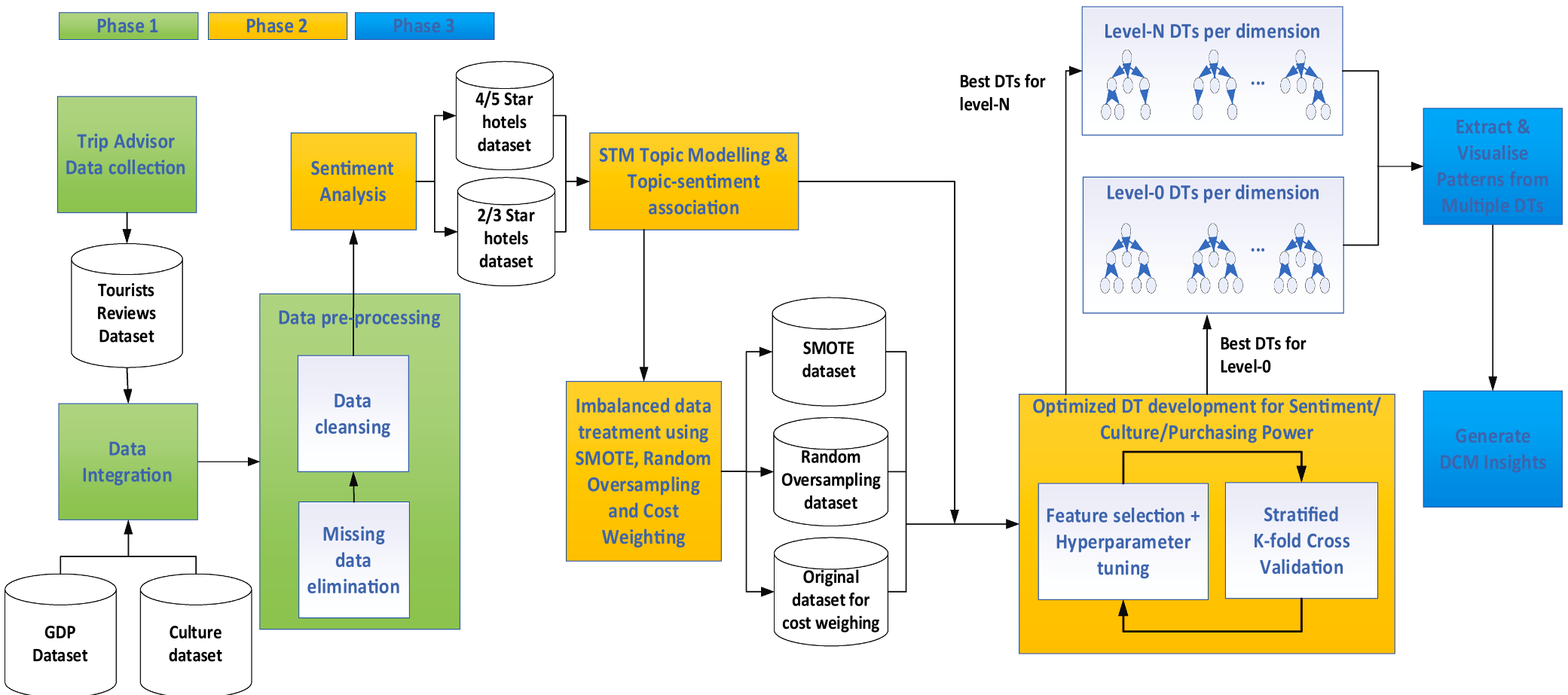
The researchers opted for a "white-box" architecture to ensure that the findings were actionable for hotel managers. The workflow consists of three major stages:
- Unstructured Data Synthesis: Using STM, the authors extracted topics from TripAdvisor reviews. Unlike standard LDA, STM allows the model to "see" metadata (like sentiment and nationality) while identifying topics.
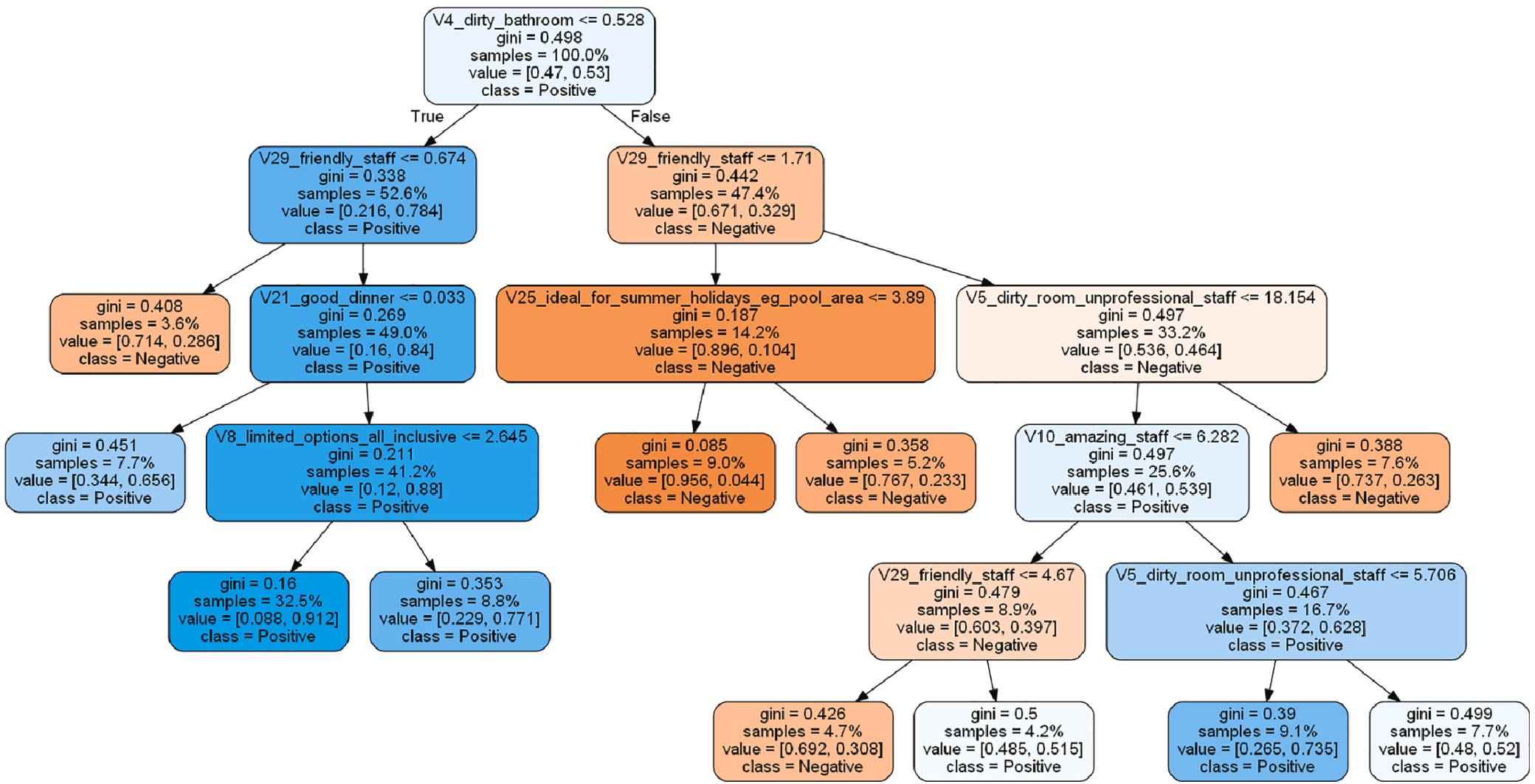
- Optimized Decision Trees: The team constructed binary Decision Trees (using the CART algorithm) to classify reviews into positive/negative sentiment and high/low cultural scores. They used SMOTE and cost-sensitive learning to handle the heavy imbalance of data (as most reviews are positive).
- Global Interpretability with SHAP: Because a single tree can be narrow, they used Tree-SHAP (Shapley Additive Explanations) to collate insights from multiple trees, providing a global ranking of which topics drive satisfaction for specific cultural segments.
Strategic Insights: The Asymmetry of Satisfaction
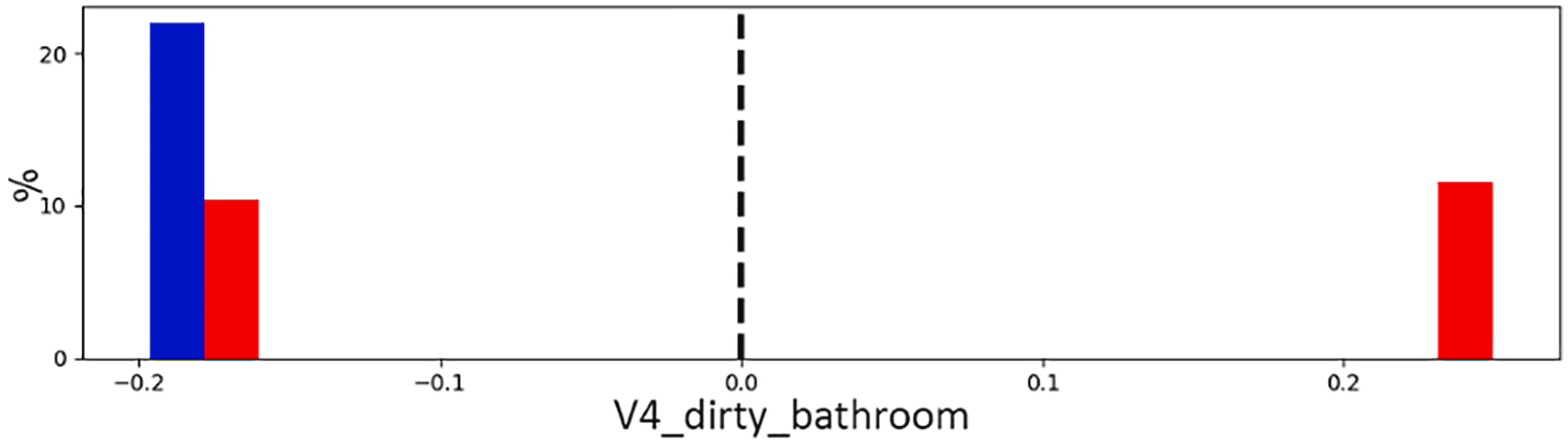
The study confirms the 3-Factor Theory of satisfaction through data. Some service attributes follow a non-linear path:
- Basic Factors: Features like "Room Cleanliness" or "Working Bathrooms" won't make a guest ecstatic if they are perfect, but their failure causes an immediate collapse into negative sentiment.
- Performance Factors: Attributes like "Staff Friendliness" lead to satisfaction when high and dissatisfaction when low.
The Role of Culture
One of the most striking findings is how Power Distance and Uncertainty Avoidance affect what guests write about.
- High Power Distance: Guests from these cultures were significantly more likely to complain about cleanliness and "room smell," reflecting higher expectations of service hierarchy and maintenance.
- Low Uncertainty Avoidance: These travelers were more appreciative of "pool drinks" and "social atmospheres," showing a higher tolerance for the spontaneity of a holiday environment.
Experimental Results
The DT models outperformed several prominent baselines, including Bayesian Belief Networks and Ridge Classifiers, particularly in the 4/5-star hotel segment where the AUC reached 90%.
The SHAP summary plots revealed that for luxury (4/5-star) hotels, the strongest predictor of failure was "unhygienic settings near bar food" (e.g., cats in dining areas), whereas for budget (2/3-star) hotels, "bathroom cleanliness" was the make-or-break variable.
Depth Insight: Why This Matters for the Future of AI in Marketing
This paper signals a shift away from purely predictive AI toward Informative AI. By identifying that Russian tourists (high power distance) might value "no extra costs for amenities" while UK tourists (high individualism) might respond better to "pool behavior and food quality," the model provides a tactical playbook.
Limitations: The study relies on Hofstede’s national scores, which assume cultural homogeneity within a country—a known simplification. Additionally, the risk of "fake reviews" on platforms like TripAdvisor remains a hurdle for any text-mining approach.
Conclusion
The integration of Structural Topic Modelling and Decision Trees offers a scalable way to automate "Cognitive Fit"—matching the information needs of a consumer with the presentation of a marketing message. For the tourism industry, the takeaway is clear: stop sending the same "Special Offer" email to everyone. Instead, use the insights buried in your reviews to speak the language of your guests' values.