
Mapping the AI Revolution in Healthcare: A Systematic Deep-Dive (2013-2019)
Transforming healthcare with big data analytics and artificial intelligence: A systematic mapping study
This paper presents a systematic mapping study of 2,421 articles (2013-2019) on Big Data Analytics and Artificial Intelligence in healthcare. It provides a comprehensive visual taxonomy of research trends, identifying "Evaluation Research" and "Patient Care" as the dominant categories, with Oncology and Deep Learning (specifically CNNs) leading in clinical and technical implementation respectively.
TL;DR
This systematic mapping study evaluates over 2,400 papers to reveal how Big Data and AI have moved from hype to rigorous evaluation. It identifies Patient Care—specifically Oncology and Medical Imaging—as the primary beneficiaries of AI, with Deep Learning emerging as the dominant technical paradigm. However, it warns of a "deployment gap," where theoretical models outpace real-world experience papers.
Background Positioning
Unlike a standard meta-analysis that focuses on the accuracy of specific models, this work serves as an architectural map of the research landscape. It situates seven years of academic effort within a coordinate system of maturity, focus, and methodology, providing a definitive baseline for the pre-LLM era of medical AI.
The Problem: A Fragmented Frontier
The healthcare industry generates a "velocity" of data that traditional tools cannot handle. While researchers have flooded the market with solutions, the literature is fragmented. We haven't known where the focus is—are we just building better algorithms (Technical Dimension), or are we actually improving healthcare delivery (Health Service Dimension)? The authors identify a lack of "Synthesis" as the primary barrier to translating AI research into clinical practice.
Methodology: The Mechanics of Mapping
The authors utilized a robust systematic mapping protocol to filter 194,292 initial results down to 2,421 core articles. By classifying these through five distinct "facets," they moved beyond simple keyword counting to provide a multi-dimensional view of research "maturity."
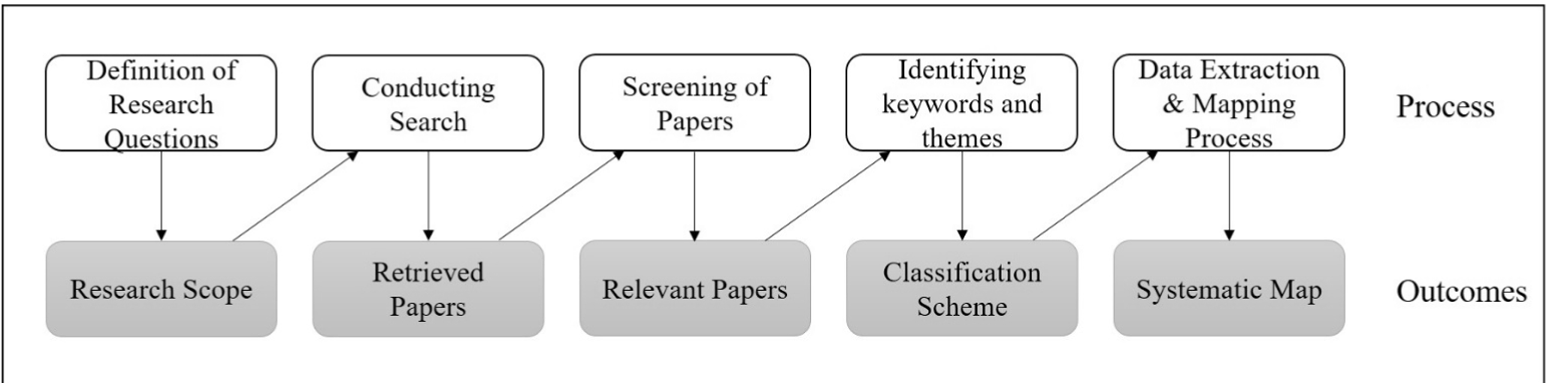
The Classification Schema
- Research Type: Is it just an opinion (Philosophical) or a tested solution (Evaluation)?
- Contribution: Is the output a theory, a framework, or a specific software tool?
- Study Focus: Is it aimed at the patient, the public health sector, or the manager's office?
Key Insights: What the Data Tells Us
The analysis reveals a significant pivot in 2016. Before this, "Theory" was the mainstay. Post-2016, "Models" and "Methods" exploded, driven by the maturity of deep learning frameworks.
1. The Algorithm Arms Race
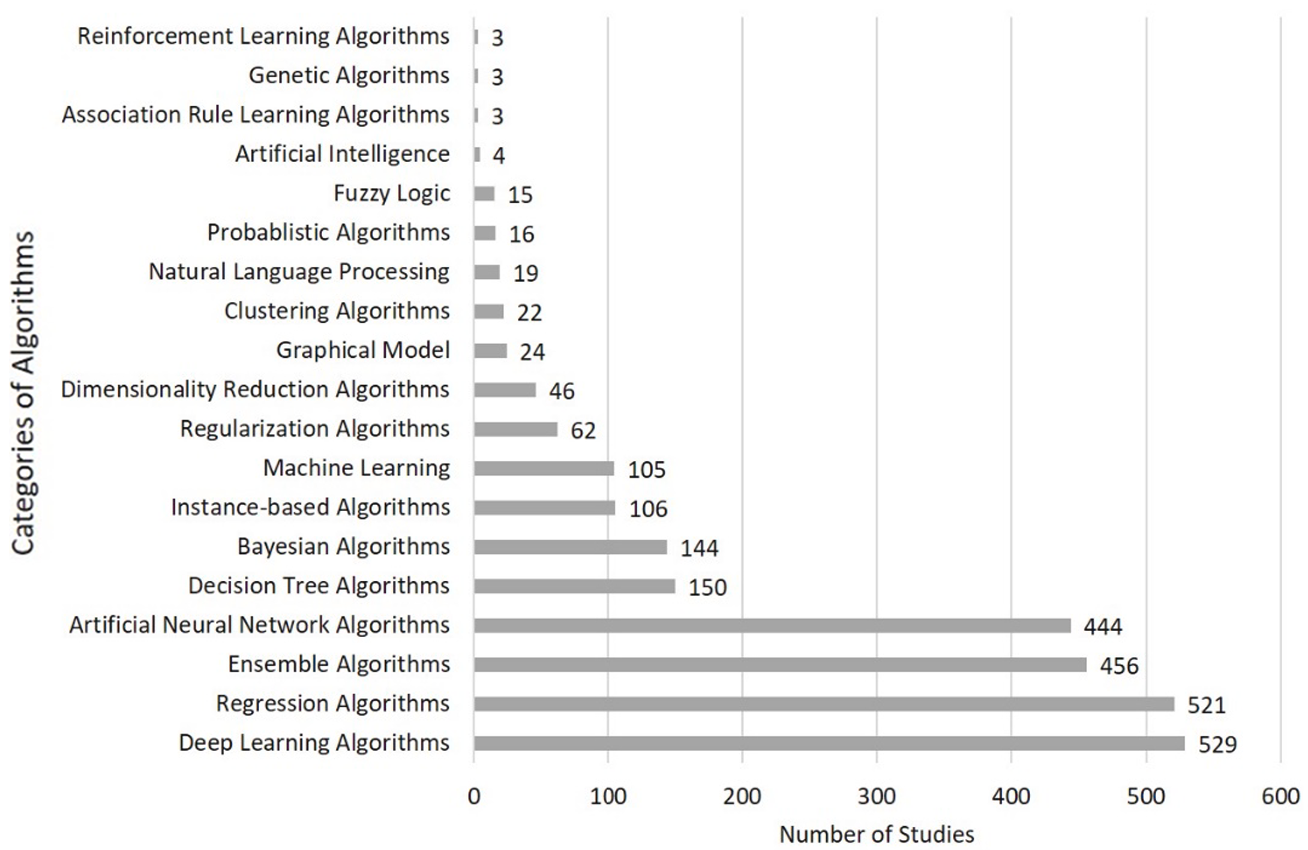
The study confirms that Deep Learning (specifically CNNs) has overtaken Support Vector Machines (SVMs) as the most researched tool in medical imaging. Ensemble methods like Random Forest remain the workhorse for tabular data analysis in healthcare operations.
2. Clinical Concentrations
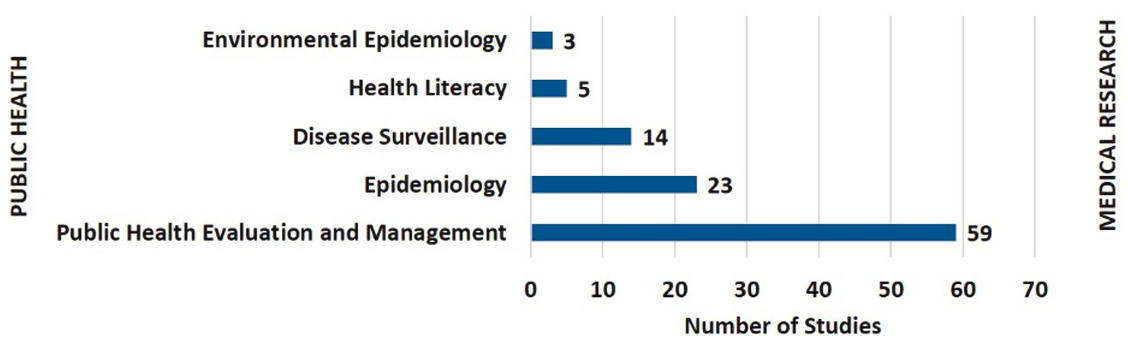
If you are in Oncology, Neurology, or Cardiology, you are at the epicenter of AI research. These fields benefit most from the "low-hanging fruit" of medical image analysis and physiological signal processing (ECG/EEG).
Critical Analysis & The "Experience Gap"
The study's most profound finding is hidden in the Research Type facet. While "Evaluation Research" is high (68%), "Experience Papers" (detailing how organizations actually implement these tools) are nearly non-existent (0.37%).
The Takeaway
We are excellent at building and validating models in "silico" (on historical datasets), but we are failing to document the Operational Reality of AI in hospitals. Future research must shift from "Yet Another Model" to "Implementation Science"—explaining how AI integrates into the messy, human-centric workflow of a clinic.
Looking Ahead
As we move further into the decade, the mapping framework suggests that "Public Health" and "Health Policy" are the next frontiers. With the rise of Generative AI, the "Text Mining" sub-category identified in this 2019 study is likely to become the new dominant "Study Focus," moving AI from the radiologist's screen to the primary care doctor's conversation.