
From Knowledge to Insight: Engineering the Next Generation of Innovation Workers
Transforming knowledge workers into innovation workers to improve corporate productivity
This paper introduces the "Timed-PDCA" framework, an IT-driven management methodology designed to improve corporate productivity by transforming "Knowledge Workers" into "Innovation Workers." It achieves this by focusing on "Insight"—the ability to create new knowledge—and utilizing a B2B sales process management system to visualize invisible thought processes and work progress.
TL;DR
While manufacturing productivity has skyrocketed through standardization (e.g., the Toyota Production System), office productivity remains elusive. This paper argues that the bottleneck is not a lack of information, but a lack of Insight. By introducing the Timed-PDCA framework, the author demonstrates how IT systems can visualize the invisible thinking process of sales professionals, forcing a transition from passive "Knowledge Workers" to proactive "Innovation Workers."
The "Insight" Gap: Why Knowledge Management Failed
For decades, corporations believed that Knowledge Management (KM)—the archiving and sharing of databases—would solve productivity issues. However, the author, Rikio Maruta, posits that "Knowledge" is merely the integration of events. To thrive, companies need Insight: the ability to choose the correct integration of knowledge to solve a novel problem.
The problem is twofold:
- Invisibility: You cannot see a knowledge worker's "on-going thoughts."
- Autonomy: Knowledge workers resist being told how to work, making traditional OJT (On-the-Job Training) inconsistent and inefficient.
Methodology: The Timed-PDCA Framework
To bridge this gap, the paper proposes a Timed-PDCA cycle. Unlike standard PDCA, which is often reserved for large projects, this is a micro-management tool integrated into the worker's weekly routine.
1. Visualization of the Invisible
The system utilizes a "Funnel" metaphor to represent the B2B sales process. Each prospect is a symbol. The "state" of the symbol (thickness of the border, color, internal marks) provides an immediate health check of the sales pipeline.
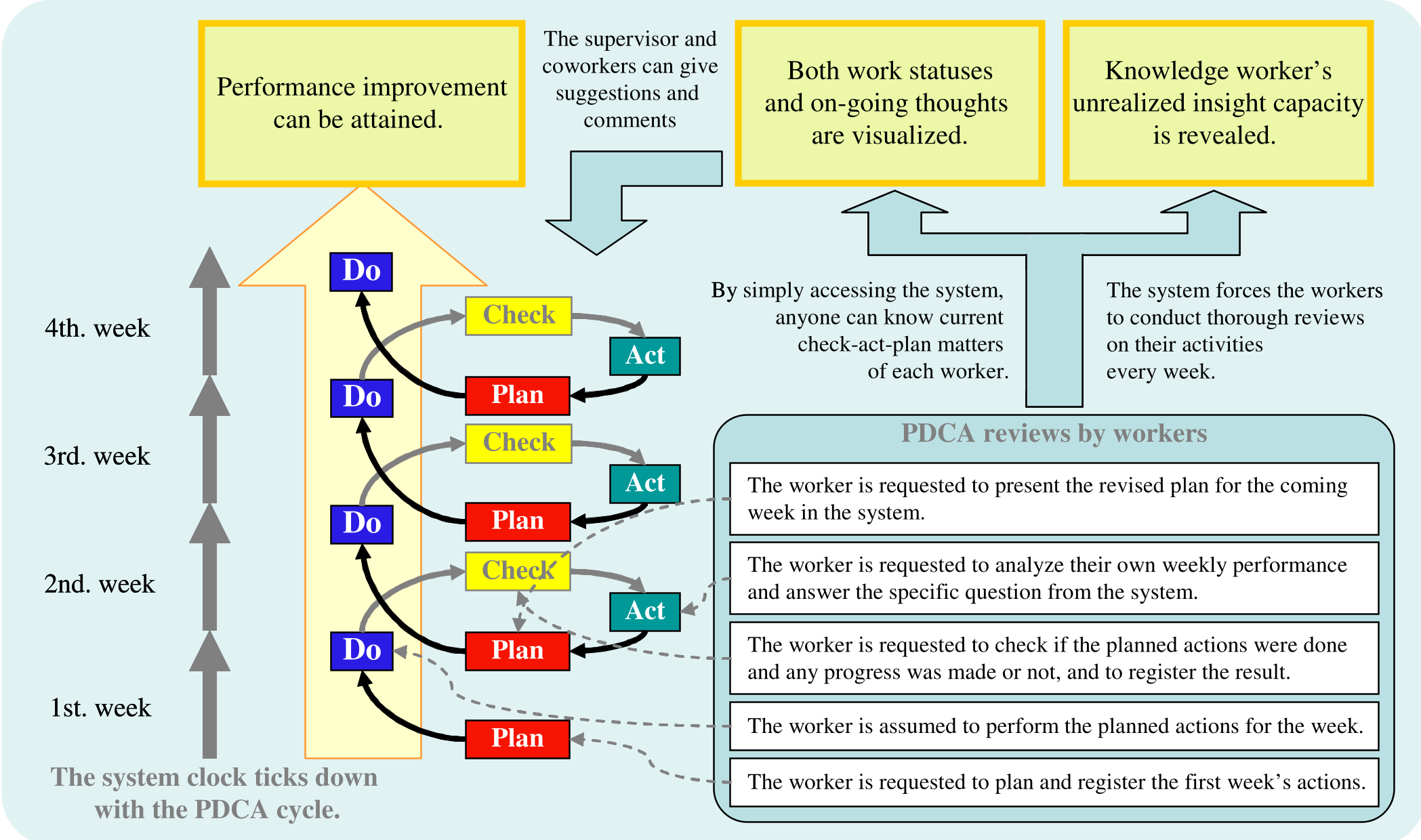 Figure 1: The visual funnel categorizing prospects into stages (F through A) and at-a-glance status symbols.
2. Forced Intellectual Activity
The core "engine" of the system is the Report Writing Navigation. Instead of allowing free-form (and often useless) status updates, the system uses branching logic to ask "Why?"
If a sale didn't progress, the system doesn't just record "No change." It forces the worker to select a scenario (e.g., "No contact but considered strategy") and prompts for the logic behind that choice. This converts the "passive brain" into an "active brain."
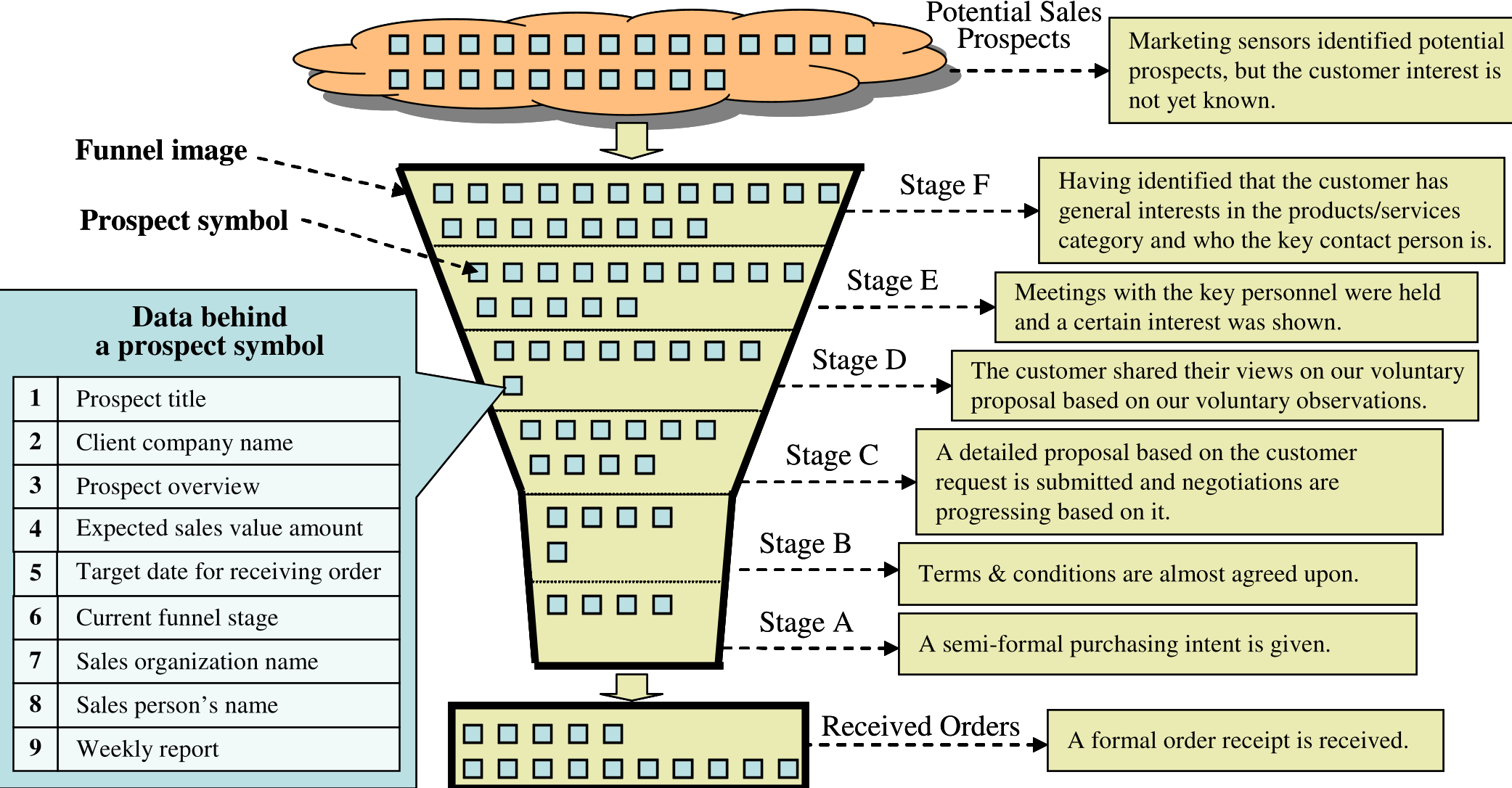 Figure 2: The navigation logic that guides workers through the "Act" and "Plan" phases of PDCA.
Experimental Results: Real-World Deployment
The system was deployed at Sangikyo Corporation. Initial resistance was high—workers viewed it as a "burden." However, by mandating that division managers use this data in executive meetings, the "Information Distortion" between the front line and top management was eliminated.
Key Findings:
- Transparency: Executives could judge the capability of sales staff they had never met simply by reading their logical flow over several weeks.
- Efficiency: Ad-hoc meetings were reduced because the "forest" (the macro view) and the "trees" (individual prospect details) were visible in one interface.
- Coaching: Supervisors gained the ability to provide "surgical" advice because they could see exactly where a worker's logic failed.
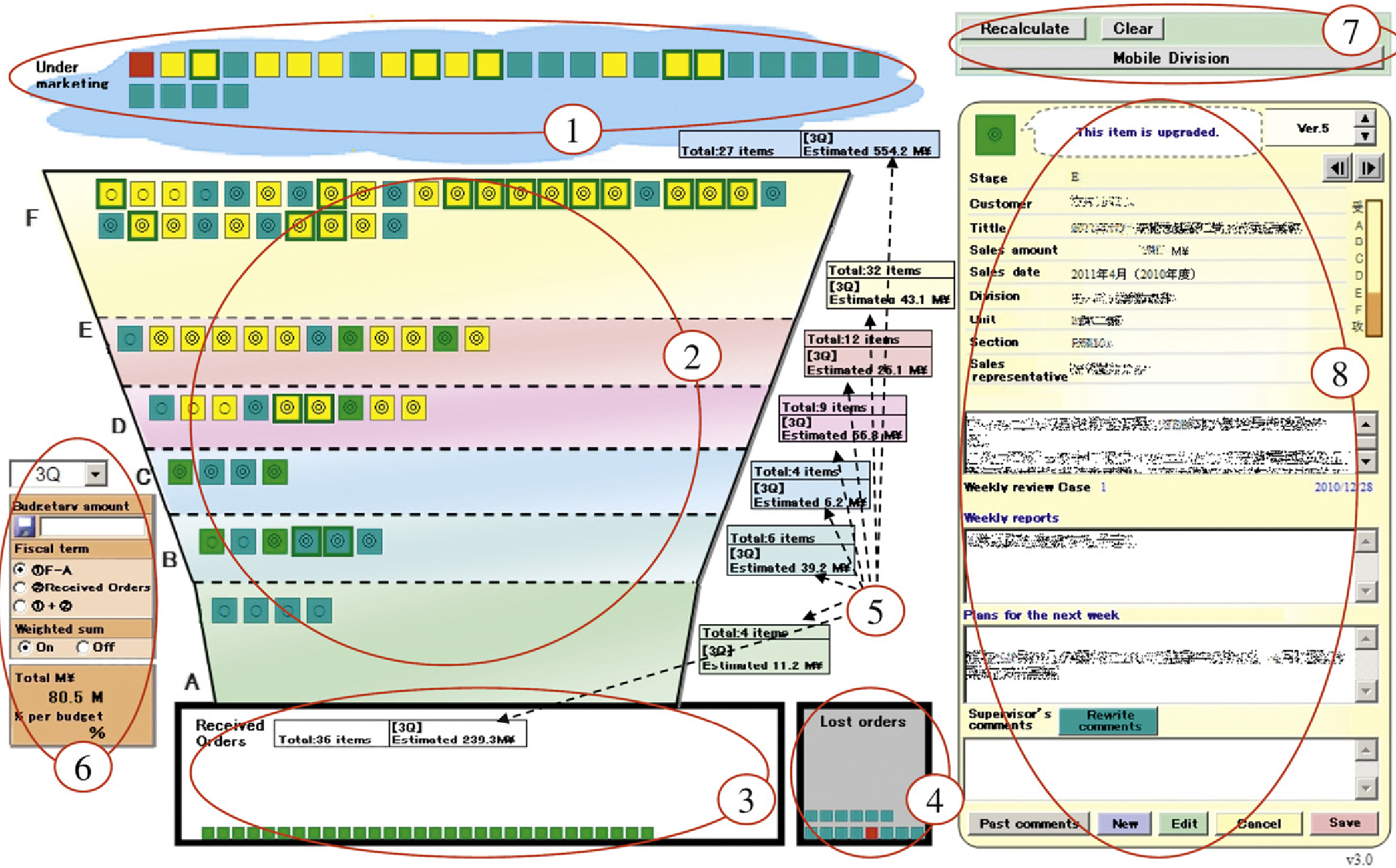 Figure 3: The unified Web UI providing a macro view of the corporate sales funnel.
Critical Insight: The "Innovation Worker" Evolution
The author’s most profound contribution is the definition of the Innovation Worker. Not everyone who possesses knowledge is an innovator. Innovation is a subset of knowledge work that requires highly developed insight.
The Timed-PDCA isn't just a reporting tool; it is a biological upgrade mechanism. By relentlessly forcing workers into situations of "difficult mental activity," the system cultivates undeveloped portions of their native capabilities.
Limitations & Future Work
The paper acknowledges that shifting human behavior takes time. A 12-month window was barely enough to see the start of the "transformation." Future research could explore how these "at-a-glance" indicators could be applied to other specialized knowledge fields like R&D, law, or engineering.
Conclusion
In the modern enterprise, the bottleneck is the mind. By applying the rigors of the assembly line (standardization and time-bounding) to the fluidity of the human thought process (insight and judgment), Maruta provides a roadmap for a new era of corporate productivity.