
TM-SIoT: Redefining Security through Mutual Trust and Time-Awareness in Social IoT
Trust Management Model Based on Mutual Evaluation Method for the Social Internet of Things
The paper introduces TM-SIoT, a novel Trust Management model for the Social Internet of Things (SIoT) that employs a mutual evaluation method and a time-aware metric. It addresses security risks for both the trustor and the trustee, achieving high reliability even in environments with 50% malicious nodes.
TL;DR
The Social Internet of Things (SIoT) allows devices to form autonomous social links, but it also opens the door to malicious actors. This paper presents TM-SIoT, a trust management model that shifts away from the traditional "trustor-evaluates-trustee" paradigm. By introducing Mutual Evaluation and a Time-Aware metric, the model ensures that both parties are safe and that historical reputation doesn't mask current malicious behavior.
Problem & Motivation: The Danger of "One-Sided" Trust
Most existing Trust Management (TM) systems are unilateral: the device requesting a service (Trustor) checks the reputation of the service provider (Trustee). However, the authors argue this is inherently unsafe. A malicious trustor could request a service and then "abuse" the trustee’s resources (e.g., draining battery or overloading processing).
Furthermore, reputation is usually treated as a static aggregate. In reality, a node might behave perfectly for months to build high trust and then suddenly turn malicious—a "on-off" attack. Without a Time-Aware mechanism to weigh recent behavior more heavily, these nodes can exploit their "legacy" trust.
Methodology: The TM-SIoT Architecture
1. The Mutual Evaluation Cycle
Unlike previous works, TM-SIoT requires a two-phase check:
- Direct Evaluation: Before the task, both nodes exchange profiles and compute trust metrics.
- Post-Evaluation: After the task, both parties rate each other based on satisfaction and resource management, updating the global reputation.
2. Trust Pillars: Social and QoS Metrics
The model calculates trust using three distinct components:
- Recommendation: Uses Jaccard similarity to filter out "dishonest" opinions from friends.
- Knowledge: Combines Social Similarity (interests and cooperativeness) with I-SoR (Interest-Social Object Relationships like Ownership or Co-location).
- Reputation (Time-Aware): This is the "secret sauce."
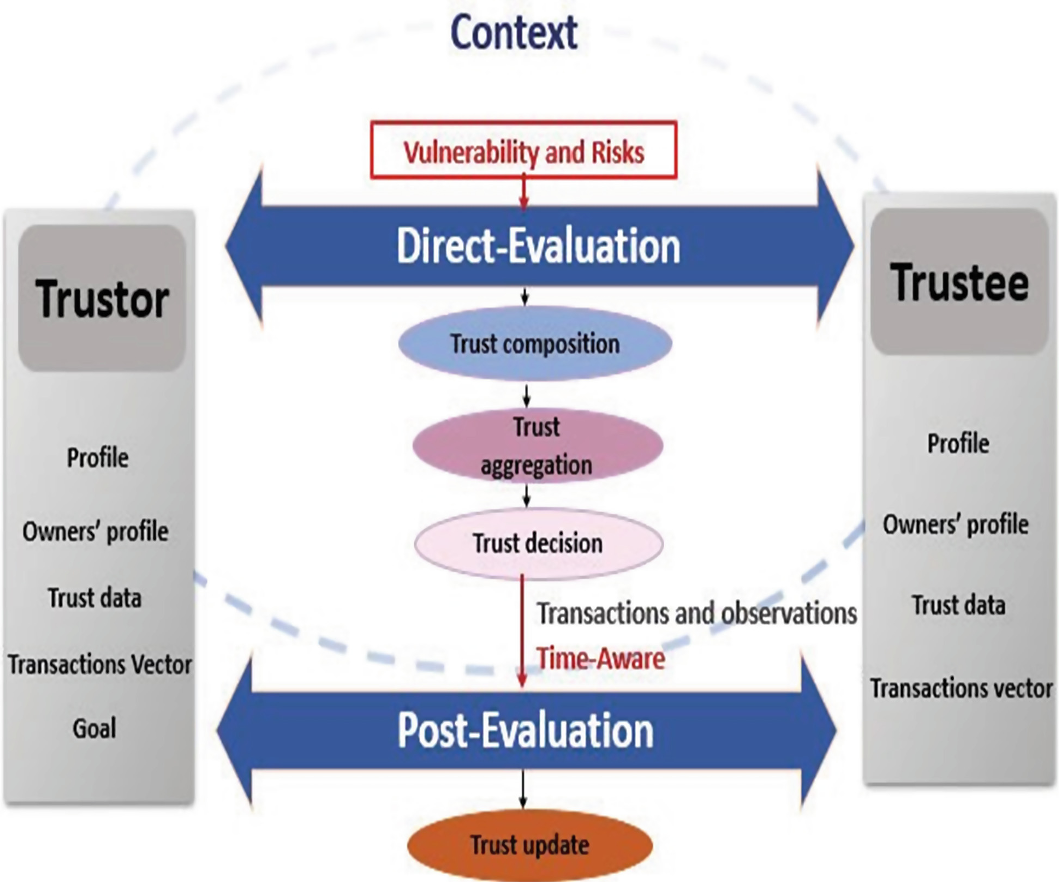 Figure 1: The dual-phase (Direct/Post) evaluation process ensuring both parties are vetted.
3. The Time-Aware Metric
The authors propose a weighted reputation formula: Where and . This ensures that recent actions have a higher impact on the current trust score, making it much harder for malicious nodes to hide behind old, positive records.
Experiments & Results: Resilience in Hostile Environments
The researchers used the ns-3 simulator with 1,000 devices and 200 owners. They tested the model's resilience by increasing the number of malicious nodes up to 50%.
Key Finding 1: Time-Aware Accuracy
When the Time-Aware factor was enabled, the predicted trust level stayed closely aligned with the "Ground Truth" behavior of nodes, whereas models without it lagged behind, failing to react quickly to behavior changes.
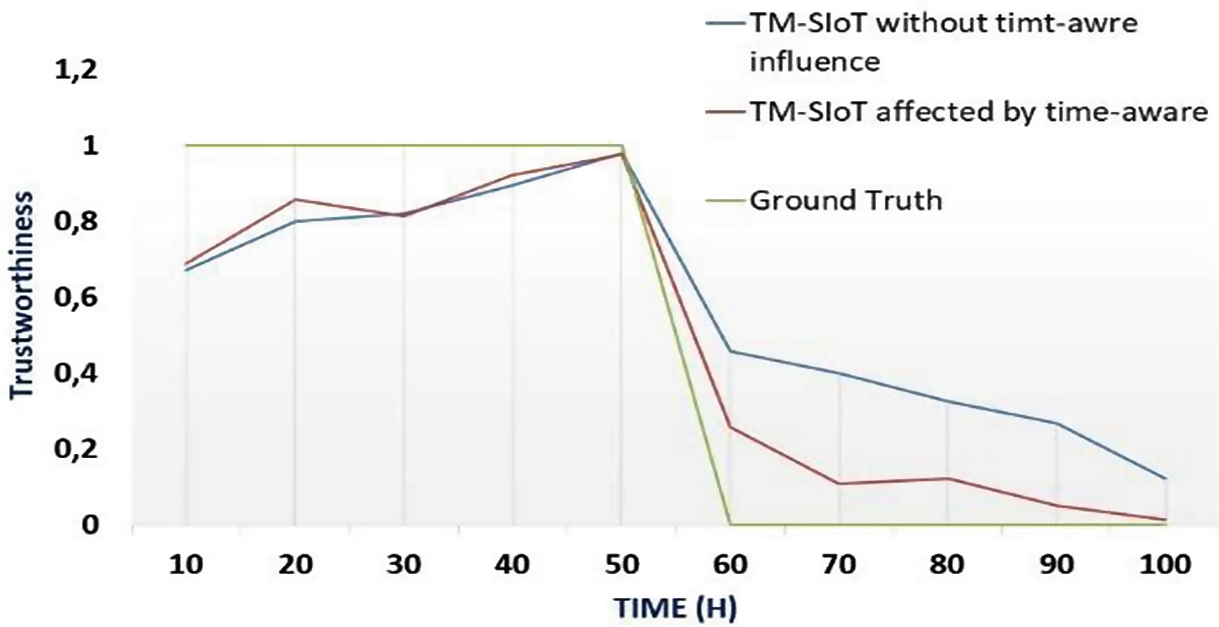 Figure 2: TM-SIoT (with Time-Aware) vs. Ground Truth.
Key Finding 2: Trustee Protection
The "Abuse Rate" experiment was a standout. While unilateral models allowed malicious trustors to continue abusing resources, TM-SIoT effectively capped the abuse rate as the trustee quickly identified and blocked low-trust requesters.
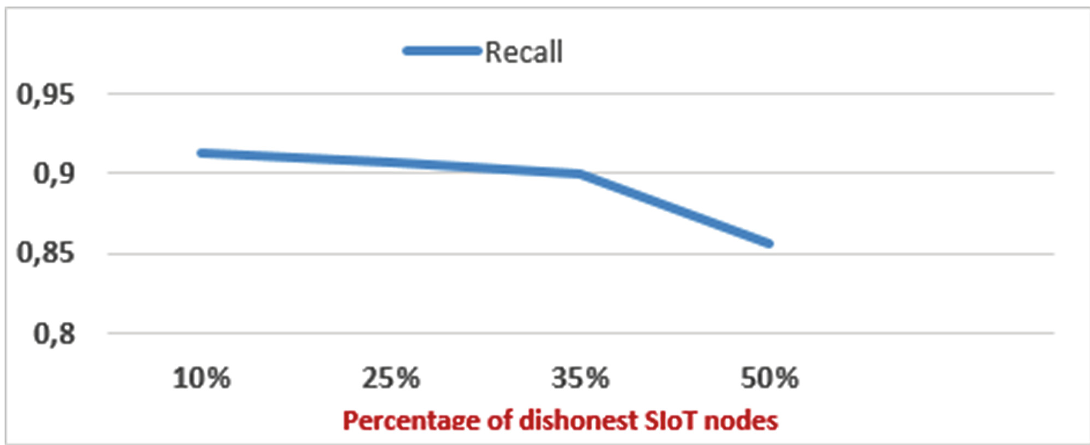 Figure 3: Recall remains high (~0.9) even with 50% malicious nodes in the system.
Critical Analysis & Conclusion
Takeaway
TM-SIoT effectively bridges the gap between Social Networking and IoT security. By treating trust as a mutual agreement and acknowledging the entropy of time, it creates a more robust defense mechanism for SIoT applications.
Limitations & Future Work
The weights for past vs. recent reputation (0.4/0.6) are currently static. The authors note that dynamically adjusting these weights based on context (e.g., network density or task criticality) is the next logical step. Additionally, future iterations should incorporate Energy Awareness, as trust evaluation itself consumes device power—a critical constraint for IoT.
Ultimately, this work moves us closer to a "Social" IoT where devices don't just communicate, but interact with the same level of caution and history-awareness as human societies.