
Beyond Bot Detection: A Two-Phase Framework for Unveiling Social Media Campaigns
A Two-Phase Framework for Detecting Manipulation Campaigns in Social Media
The paper introduces a two-phase framework for identifying coordinated manipulation campaigns on social media using 1.3 million tweets related to Brexit. It combines real-time unsupervised stream clustering via the textClust algorithm with an offline forensic analysis dashboard to distinguish between organic trends and orchestrated influence.
TL;DR
Researchers have developed a hybrid framework that blends real-time stream clustering with deep offline forensics to catch social media manipulation as it happens. By monitoring the "heartbeat" of topics through micro-clusters, the system flags suspicious spikes—like a single account firing off hundreds of Brexit-related posts—that typical bot detectors might miss.
Background: Why Individual Bot Detection is Failing
For years, the industry focused on classifying individual accounts as "bot or human." However, modern manipulation campaigns have evolved. They use "Cyborg" accounts (human-assisted automation) and coordinated groups that can easily bypass tools like Botometer.
The core challenge is two-fold:
- The Scale Problem: Social media generates millions of posts per hour; storing everything for analysis is impossible.
- The Label Problem: We rarely have "ground truth" labels for new campaigns until long after the damage is done.
The Methodology: Pulse-Checking the Stream
The authors propose a two-phase approach that prioritizes behavioral anomalies over static account features.
Phase 1: Real-Time Stream Clustering (The Filter)
Using the textClust algorithm, the system transforms incoming tweets into tf-idf vectors. Instead of storing every tweet, it maintains micro-clusters—mathematical summaries of active topics.
- Weight Decay: Clusters lose weight over time if not updated, allowing the system to forget "dead" news.
- Anomaly Detection: By applying Chebyshev’s inequality, the framework flags any topic whose growth exceeds the norm by 6 standard deviations ().
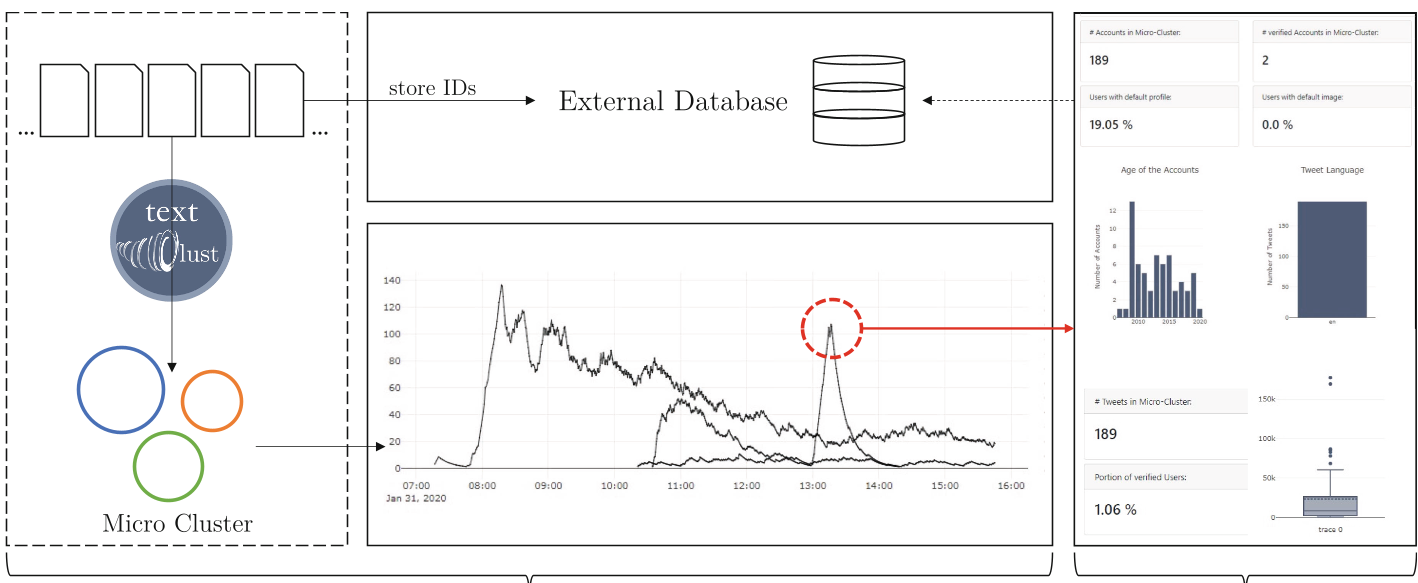 Fig 1: The two-phase framework processing the data stream into manageable, suspicious micro-cluster candidates.
Phase 2: Offline Forensic Analysis (The Microscope)
Once a topic is flagged, the system retrieves metadata (author IDs, account age, verified status) for a deep dive via a custom Dashboard. This human-in-the-loop stage differentiates between a viral news story (organic) and a spam attack (orchestrated).
Case Study: The Brexit Experiment
The researchers tested this on 1.3 million tweets during the 2020 Brexit window.
1. The "Call-to-Action" Discovery
The system flagged a cluster where 1,850 unique users posted the exact same message at the same time. Investigation revealed a "call-to-action" button feature used by the Conservative party—a technically "organic" but highly orchestrated form of amplification that bypassed retweet filters.
2. Identifying the "Putin" Spam Attack
The framework visualized the difference between organic and non-organic trends:
- Organic (Blue/Green): Trends like "Happy Brexit" or "Corona Virus" showed a natural rising and falling curve.
- Non-Organic (Red): A cluster regarding "Putin's involvement" showed a sharp, jagged edge. Analysis showed 40% of the tweets in that cluster came from exactly one account.
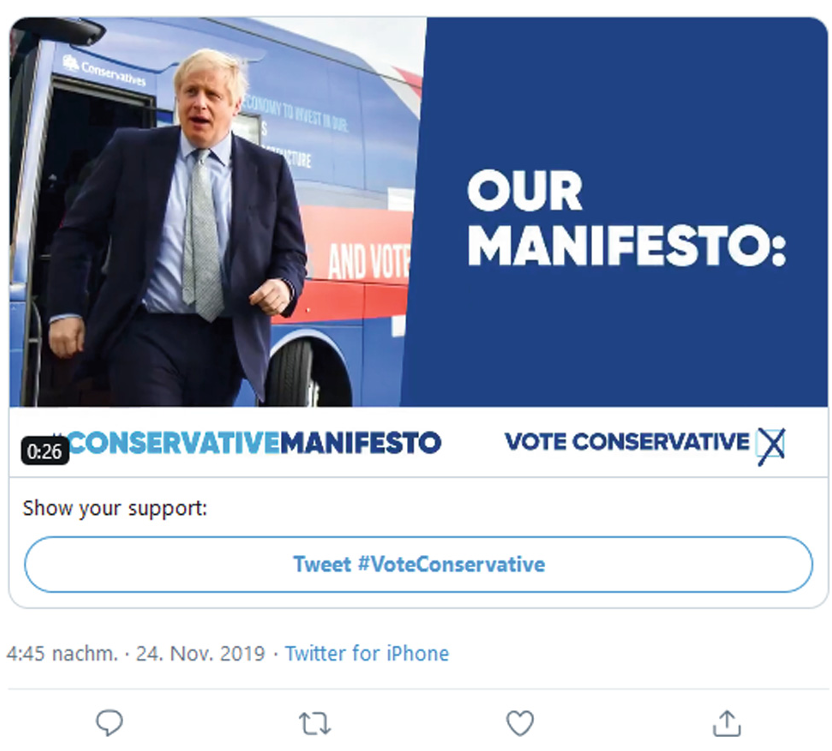 Fig 2: Temporal development of different topics. Note the sharp peaks of potential manipulation versus the smoother curves of organic news.
Critical Insight: The "Whack-a-Mole" Limitation
While this framework is a major step toward real-time transparency, it highlights a persistent issue: Parameter Sensitivity. The fading factor () and distance thresholds () must be tuned carefully; otherwise, the system might miss subtle, slow-burn campaigns or get overwhelmed by noise during high-traffic events like an election night.
Conclusion & Future Outlook
The value of this work lies in its shift from "Who is the user?" to "How is the topic growing?" By focusing on the temporal physics of a conversation, we can identify manipulation before it reaches critical mass. Future iterations will likely integrate automated parameter tuning and Graph Neural Networks (GNNs) in Phase 2 to map the hidden social ties between suspicious accounts.
Takeaway for Researchers: Unsupervised stream clustering is no longer just for "topic modeling"—it is a frontline defense against asymmetric information warfare.