
Beyond the Score: A Two-Stage Strategy for Bank Branch Optimization
A Two-Stage Approach for Improving Service Management in Retail Banking
This paper introduces a two-stage hybrid methodology combining Data Envelopment Analysis (DEA) and Association Rule Mining (Apriori) to optimize retail bank branch performance. The framework first identifies relative efficiency scores and then extracts qualitative operational characteristics that distinguish top-performing branches from laggards.
TL;DR
In the hyper-competitive world of retail banking, simply knowing a branch is "inefficient" isn't enough—managers need to know why. This paper proposes a powerful two-stage synergy: using Data Envelopment Analysis (DEA) to rank 47 bank branches in Turkey and Association Rule Mining (Apriori) to uncover the specific operational habits (like lunch-hour service) that separate winners from losers.
The Problem: The "Black Box" of Efficiency
Bank managers face a constant battle to optimize resources. While tools like DEA have long been used to provide a single efficiency score, they act as a "black box." You receive a score (e.g., 0.85), but the math doesn't tell you if the problem is your staffing mix, your service hours, or your local facilities. This gap between diagnosis and prescription is what this research aims to bridge.
Methodology: The Analytical Pipeline
The authors suggest that efficiency is not just about the ratio of inputs to outputs, but about the characteristics of the unit.
Stage 1: Quantifying Efficiency with DEA
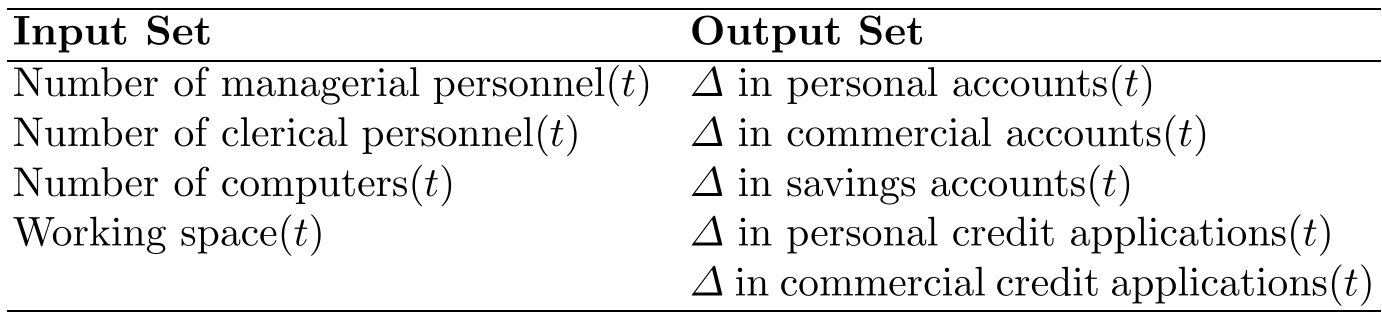
Using the CCR model, the study evaluated branches based on:
- Inputs: Managerial personnel, clerical staff, number of computers, and office space.
- Outputs: Changes in personal, commercial, and savings accounts, plus credit applications.
Stage 2: Deep Diving with Association Rules
Once branches were categorized into "Efficient" and "Inefficient," the Apriori algorithm was used to find patterns. Instead of looking at one variable at a time, it looks for combinations of features that lead to high performance.
Key Findings: What Makes a Branch Efficient?
The results from the 47 branches were illuminating. Only 9 branches achieved a perfect efficiency score of 1.0.
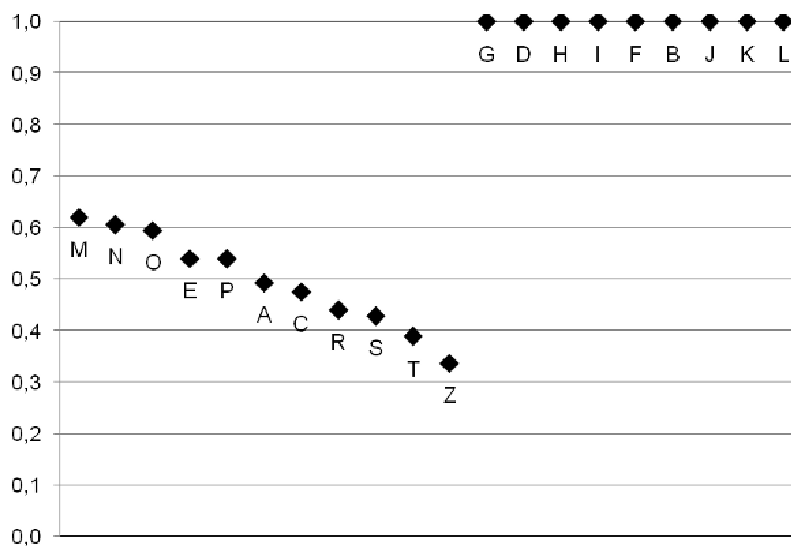
When the data mining stage was applied, the "DNA" of an efficient branch became clear:
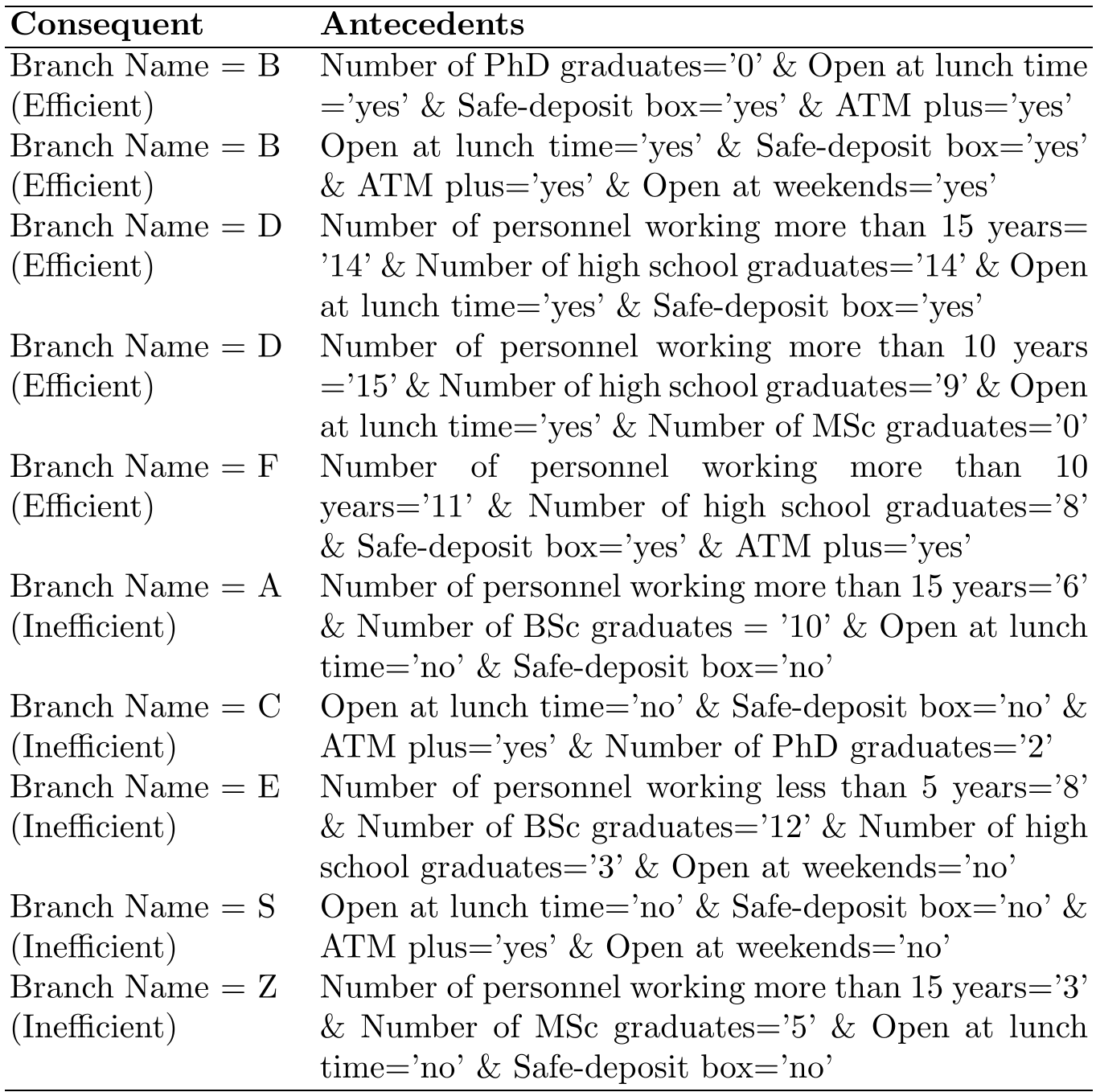
- Operational Availability: Efficient branches tended to stay open during lunch hours and weekends.
- Staff Profiles: Interestingly, successful branches often had more high-school graduates with extensive field experience (10-15+ years) rather than a high concentration of PhD or MSc holders.
- Value-Added Services: The presence of safe-deposit boxes was a high-confidence indicator of an efficient branch.
Technical Insight: Why This Works
The beauty of this approach lies in Inductive Bias. DEA provides a rigorous, non-parametric frontier that handles multiple inputs/outputs without requiring a specific functional form. Data mining then provides the "interpretability layer." By combining them, the authors solve the Heterogeneity Problem—acknowledging that branches operate in different ways and identifying which specific "way" leads to success.
Critical Analysis & Future Outlook
While the study successfully identifies operational levers for managers, it focuses primarily on Production Efficiency. The authors note a key limitation: they did not measure Profitability or Service Quality (customer satisfaction).
Takeaway for the Industry: In the future, this framework could be expanded by integrating Real-time Data Mining and sentiment analysis. For retail bankers, the message is clear: efficiency is often found in the "basics"—longer service hours and experienced staff—rather than just cutting personnel costs.