
Beyond Basic Labor: The Surprising Digital Proficiency of Expert Users with Down Syndrome
Understanding the computer skills of adult expert users with down syndrome: an exploratory study
2011-10-24
Summary
Problem
Method
Results
Takeaways
Abstract
This exploratory study, published in ASSETS '11, examines the computer proficiency of 10 "expert" adult users with Down syndrome. Using ethnographic observations, it demonstrates that individuals with Down syndrome can achieve high-level skills in word processing, data entry, and digital communication, potentially qualifying them for mainstream office-based employment.
## TL;DR
For decades, the employment landscape for adults with Down syndrome (DS) has been limited to manual tasks. However, a seminal exploratory study by Lazar et al. reveals that "expert" users with DS possess the technical skills required for professional office environments. Through ethnographic observation, the research proves that with long-term training, individuals with DS can master complex software, manage security protocols like CAPTCHAs, and use social media as effectively as neurotypical users—often without any assistive technology.
## The Motivation: Challenging Low Expectations
The status quo for individuals with cognitive disabilities is often a cycle of low expectations. Earlier research focused heavily on children or general "cognitive impairments," often highlighting deficits in fine motor skills and short-term memory. This study flips the script by asking: **What is possible under the best circumstances?**
The authors argue that the "cognitive impairment" label is too broad. By focusing specifically on Down syndrome, they leverage the known "behavioral phenotype"—such as strengths in visual processing—to see how these traits translate to computer usage.
## Methodology: Observing the "Experts"
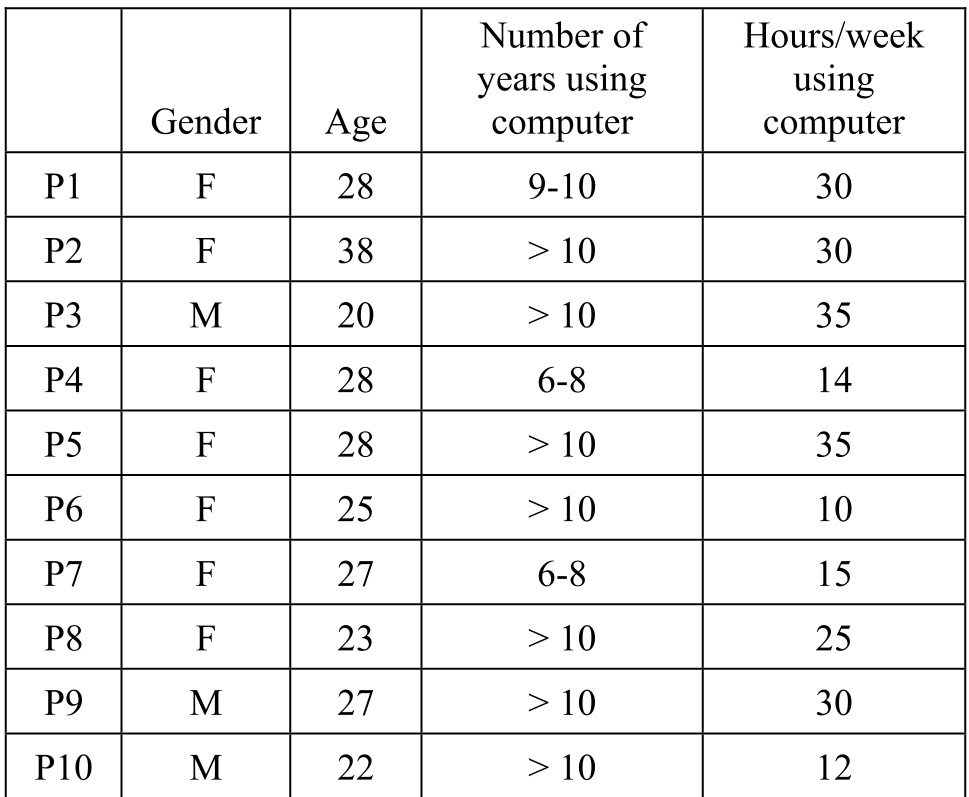
The researchers recruited 10 participants who met strict "expert" criteria, including:
* **Tenure**: At least 5 years of computer use.
* **Intensity**: Over 10 hours of use per week.
* **Versatility**: Proficiency in email, word processing, and social networking.
Unlike laboratory experiments, this study used **ethnographic observation**, watching users in their homes and workplaces to see their actual workflows and "habits," such as how they manage cluttered inboxes or navigate security barriers.
## Key Findings: Breaking Myths
Contrary to the assumption that people with DS struggle with complex digital interfaces, the "experts" in this study demonstrated remarkable autonomy.
### 1. The CAPTCHA Paradox
One of the most striking results was the success rate with **visual CAPTCHAs**. Despite these being designed to baffle bots and often proving frustrating for neurotypical users, 8 out of 10 participants had a **100% success rate**. This highlights their high level of visual-perceptual competence.
### 2. Specialized Applications
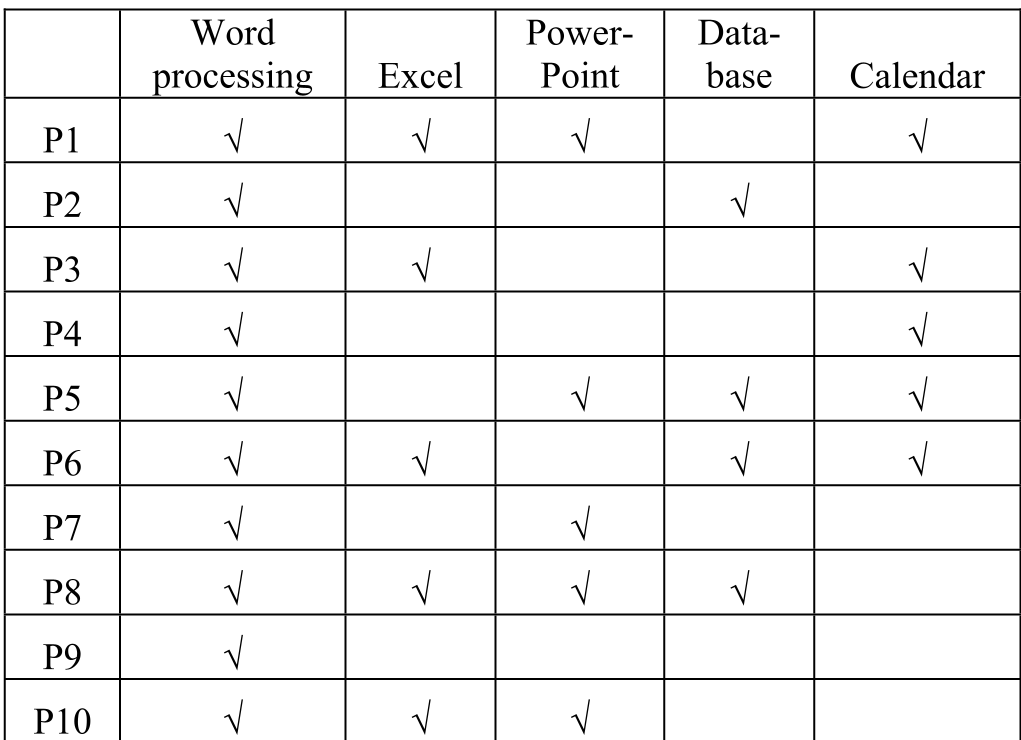
While most used Excel primarily for layout (checklists) rather than complex formulas, their use of Word and PowerPoint was sophisticated. Participants were seen:
* Using **Spell Check** effectively.
* Inserting images and templates.
* Formatting manuscripts and giving public presentations using PowerPoint.
### 3. "Compulsive" Efficiency
The researchers observed a unique pattern: many users **deleted emails immediately** after reading them. This was linked to a known behavioral trait in Down syndrome—a tendency toward obsessive-compulsive routines. In a digital context, this resulted in remarkably clean, empty inboxes, a level of "inbox zero" most professionals only dream of.
## Methodology & Input Techniques
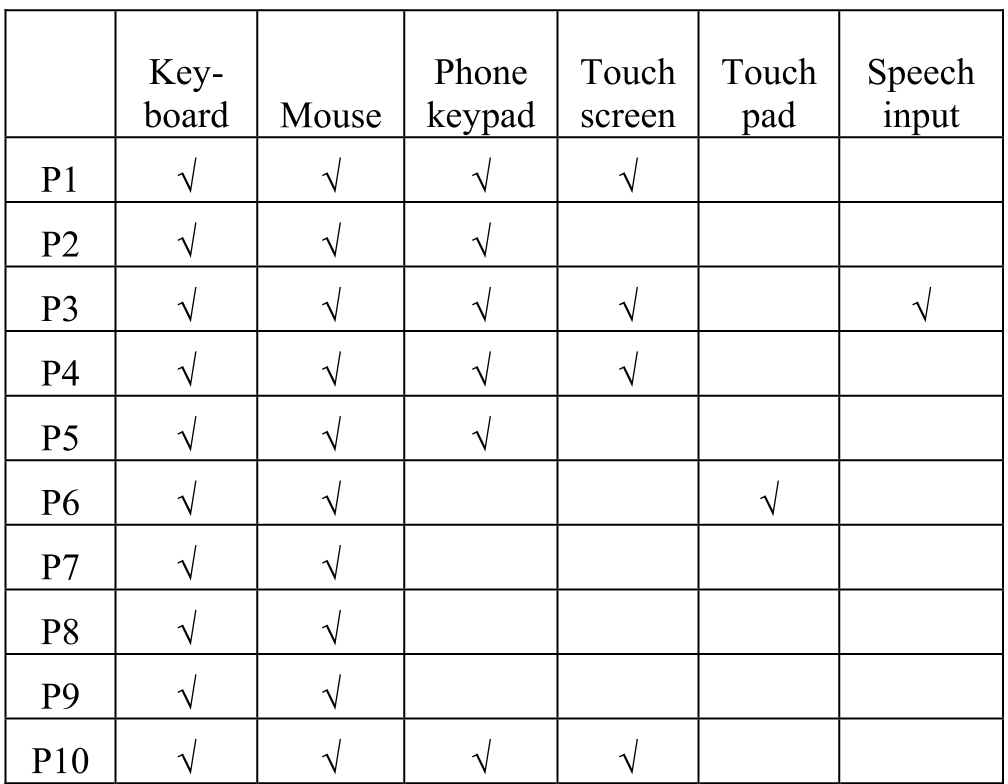
A significant takeaway for the HCI community is that **none of the participants used assistive or adaptive technology**. They used standard QWERTY keyboards and mice. Some even mastered mobile touchscreens, texting quickly using both thumbs on iPhones.
## Critical Analysis & Conclusion
The study concludes that the primary barrier to digital employment for people with Down syndrome is not their genotype, but **policy and access**.
### Takeaways for the Industry:
* **Education Policy**: State agencies that require an IQ of 90+ for computer training are operating on outdated science. Skill is often decoupled from IQ scores.
* **Design**: Interfaces don't always need to be "simplified." Expert users with DS benefit more from **generous time limits** (to account for slightly slower typing) than from childish or "special" layouts.
* **Employment**: Rehabilitation specialists should move beyond manual labor and start assessing individuals with DS for data entry, communication, and basic administrative roles.
**Limitations**: This was an exploratory study with a small sample (N=10). While it shows what is *possible*, it does not represent the "average" individual with Down syndrome. Future research must bridge the gap between these high-performers and the wider population.
**Final Reflection**: This paper is a call to action. It proves that with formal training and high expectations, the digital world is an accessible and empowering frontier for individuals with Down syndrome.