
Beyond Logic: The Emotional Engine of e-Commerce Personalization
The Role of User Emotions for Content Personalization in e-Commerce: Literature Review
This paper provides a comprehensive literature review on integrating user emotions as a contextual variable in e-Commerce content personalization. It synthesizes existing research and presents a concept-matrix mapping market-available emotion recognition technologies (facial and voice-based) to specific affective states and industry applications.
TL;DR
Online shopping is rarely a purely rational act. This review paper argues that for personalization to reach its next level, e-Commerce platforms must move beyond historical clickstream data and start decoding user emotions. By analyzing current technologies in facial Expression and speech recognition, the authors demonstrate how "Emotional Context" can transform recommender systems from simple filters into intuitive shopping assistants.
Background: The Limits of Traditional Recommenders
Most modern e-Commerce sites use Collaborative Filtering (finding similar users) or Content-Based Filtering (finding similar items). While effective, these methods are "emotionally blind." They don't know if you are shopping while stressed, happy, or bored—states that drastically change your "Inductive Bias" and risk-taking behavior during a purchase.
Methodology: The Three Stages of Emotion in Shopping
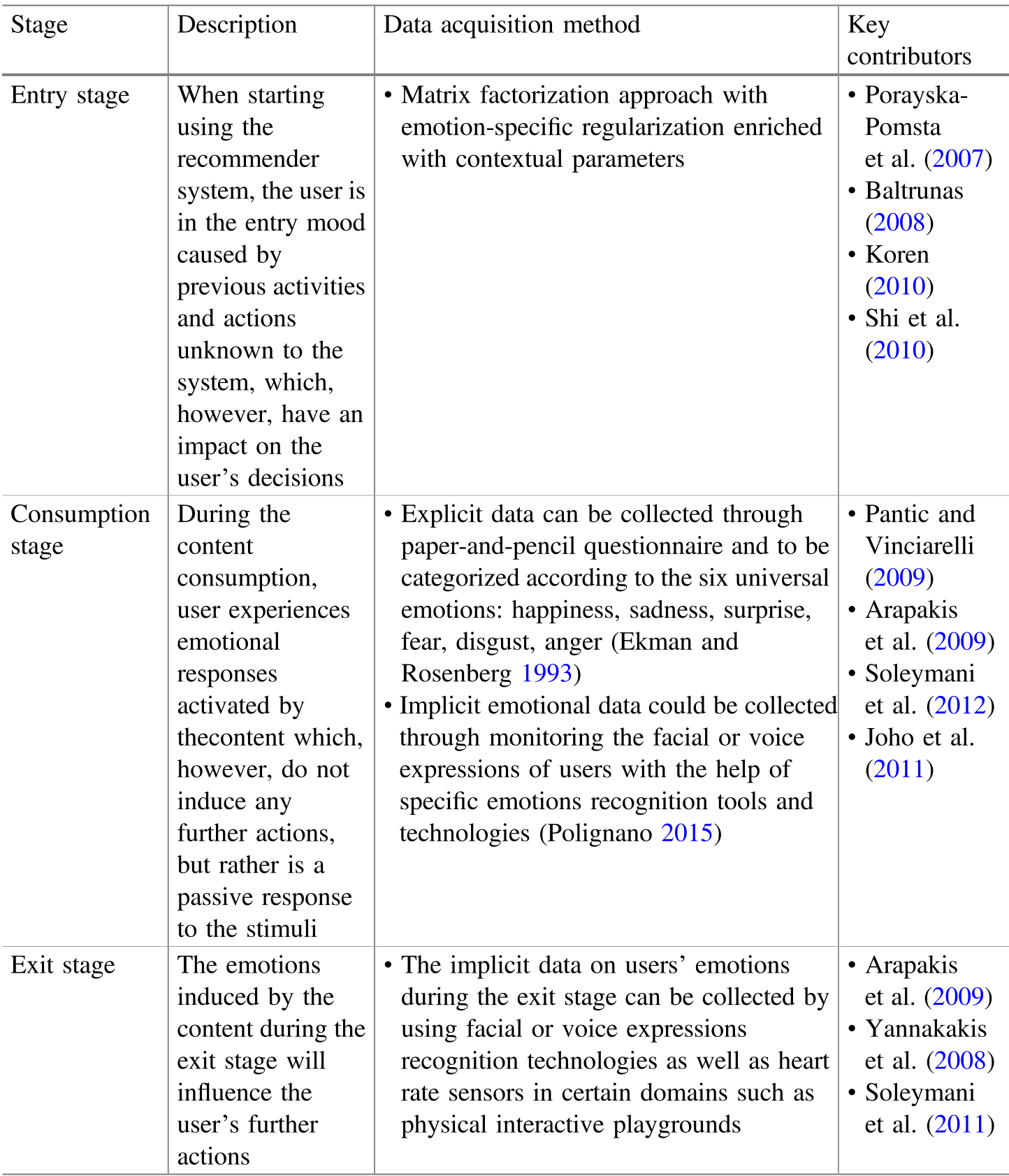
The authors adapt a framework to track emotions throughout the "Consumption Chain":
- Entry Stage: The user's pre-existing mood (before interacting with the site).
- Consumption Stage: Passive responses to stimuli (e.g., a high price tag causing a "surprise" or "disgust" reaction).
- Exit Stage: The final emotional state that dictates whether a user will return or recommend the brand.
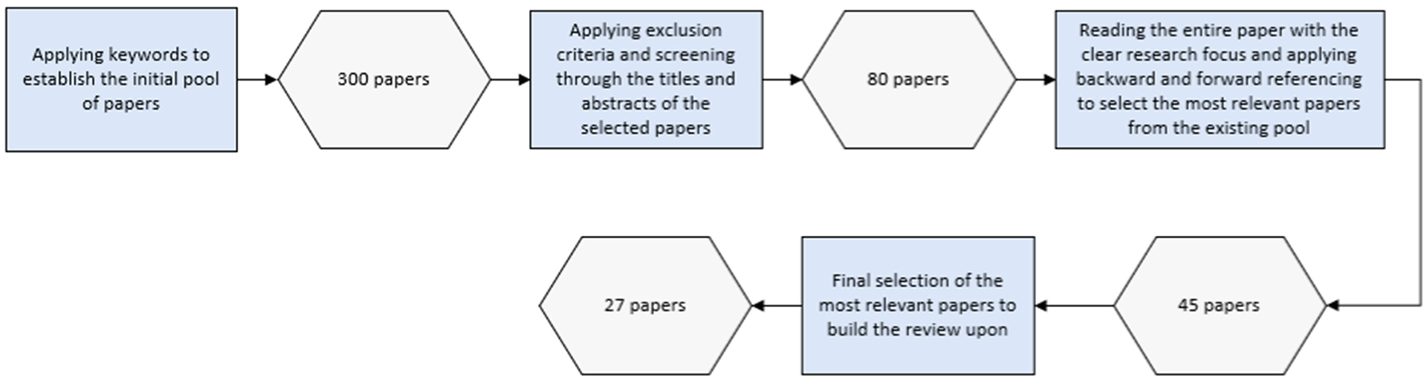
Technology Mapping: Facial and Speech AI
The core contribution of this paper is the mapping of commercial AI tools against human emotions.
Facial Recognition
Technologies like Affectiva, nViso, and Microsoft Cognitive Services use Deep Learning to track facial muscle movements. While most are optimized for the "Big Six" emotions (Happiness, Sadness, Fear, Anger, Disgust, Surprise), the authors note that for e-Commerce, states like Arousal (excitement) and Valence (pleasure) are often more predictive of purchase intent.
Speech Analysis
In the era of voice-assisted shopping (Alexa/Siri), audio analysis is becoming critical. Solutions like Vokaturi and audEERING can detect stress or arousal levels from the paralinguistic features of a user's voice, providing a less intrusive way to gather implicit data compared to camera-based tracking.
Deep Insight: The Gap Between Feeling and Expression
A critical takeaway from the authors' discussion is the distinction between "Feelings" (internal affective processing) and "Emotions" (physical outputs like facial expressions).
- The Problem: A user might experience a feeling that the AI cannot "see" if the user has a "poker face."
- The Opportunity: Combining multiple sensors (Multimodal AI) is necessary to reduce "confounds" and ensure the recommender system doesn't misinterpret a neutral face for a lack of interest.
Conclusion and Strategic Value
The paper concludes that Affective Metadata—tagging products not just by "Size" or "Color," but by the "Emotion" they elicit—is the future. For businesses, this means moving beyond A/B testing conversion rates and toward Emotion Analytics to build long-term customer loyalty.
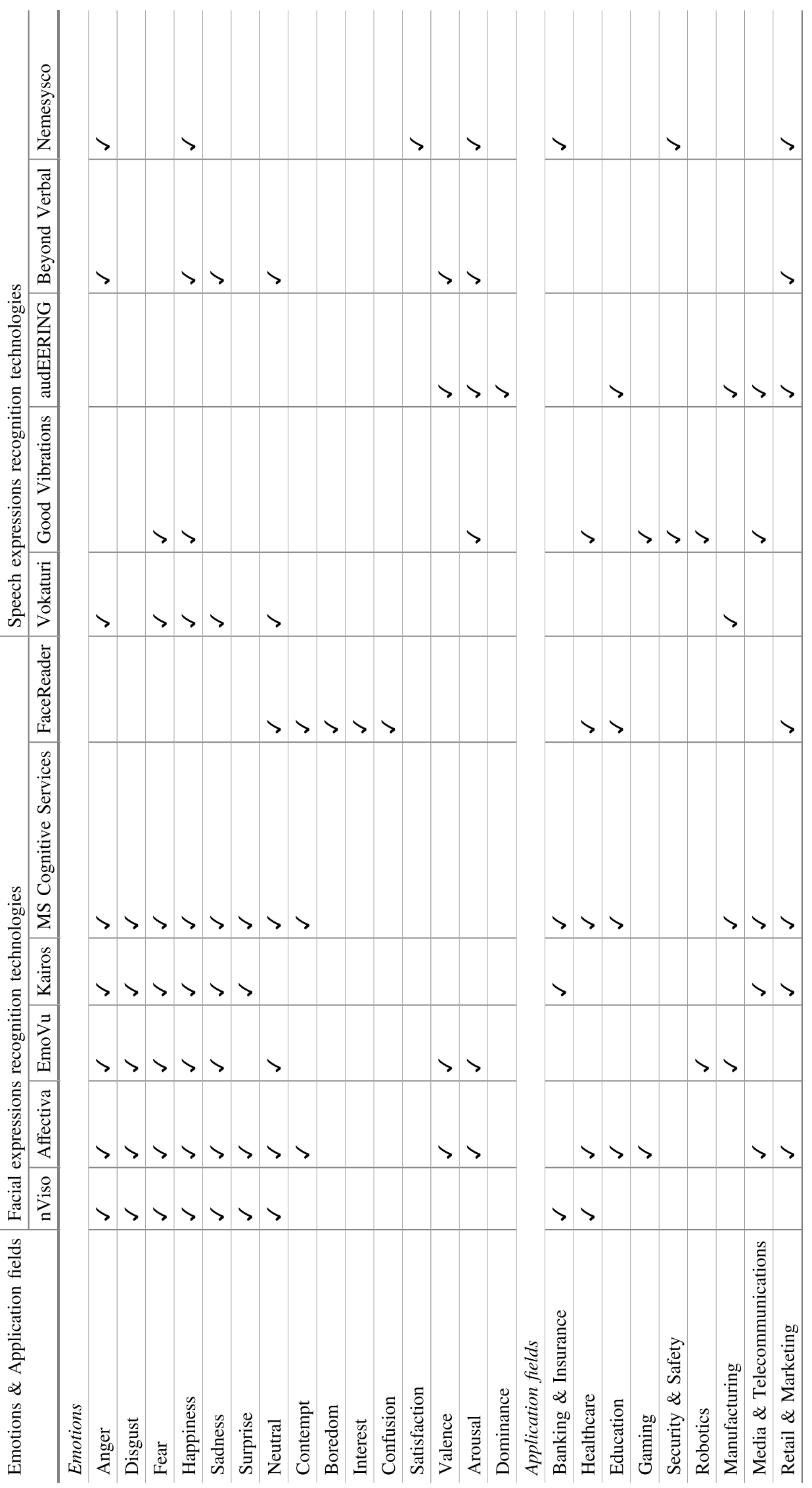 The Concept Matrix above highlights that while "Retail & Marketing" is a primary application field, Healthcare and Education are also early adopters of these emotional recognition stacks.
Future Outlook
The next stage for this research involves Context-Aware Recommender Systems (CARS) that can adjust their weights in real-time based on the user's emotional trajectory, fundamentally changing the architecture of modern AI-driven marketplaces.