
Beyond the Algorithm: Building a Hyper-Local Recommendation System via IMS and Cell Broadcast
Recommendation system based on user profile extracted from an IMS network with emphasis on social network and digital TV
This paper proposes a novel framework for a dynamic Recommendation System (RS) built upon an IP Multimedia Subsystem (IMS) architecture. By integrating data from diverse sources including Social Networks, Digital TV, and mobile networks, it utilizes Cell Broadcast (CB) technology to collect localized user preferences and deliver context-aware recommendations.
TL;DR
This research introduces a multi-dimensional Recommendation System (RS) framework that lives within the IP Multimedia Subsystem (IMS). Unlike standard algorithms that only look at what you click, this system looks at where you are, what you’re watching on Digital TV, and your social media interests to deliver surgical-precision ads via Cell Broadcast (CB).
Background: The Convergence Challenge
In the era of 4G (and now moving beyond), the "siloed" nature of user data—where your TV habits, mobile usage, and social media presence are treated as separate entities—limits the effectiveness of recommendations. The authors identify a gap: existing systems lack context-awareness (location and presence) and a unified architectural backbone to bridge these data islands.
The Core Insight: IMS as the Great Unifier
The authors argue that the IMS network is the perfect host for a recommendation engine because it provides a unique identity (ID) for every subscriber across all services.
1. Data Extraction Strategy
The framework pulls from two primary, underutilized sources in 2011:
- Social Networks: Filtering public browsing data to establish interest categories.
- Digital TV: Using the interactive return channel (ITU-T J.110) to monitor presence and viewing habits.
2. The Power of Cell Broadcast (CB)
While SMS is point-to-point, Cell Broadcast is point-to-area. The system uses CB to:
- Send non-intrusive survey questions to users in specific venues (e.g., "Are you interested in the tech sale at this mall?").
- Collect feedback via an interactive SIM card configuration, allowing the DB to update user profiles dynamically without clogging the network's signaling traffic.
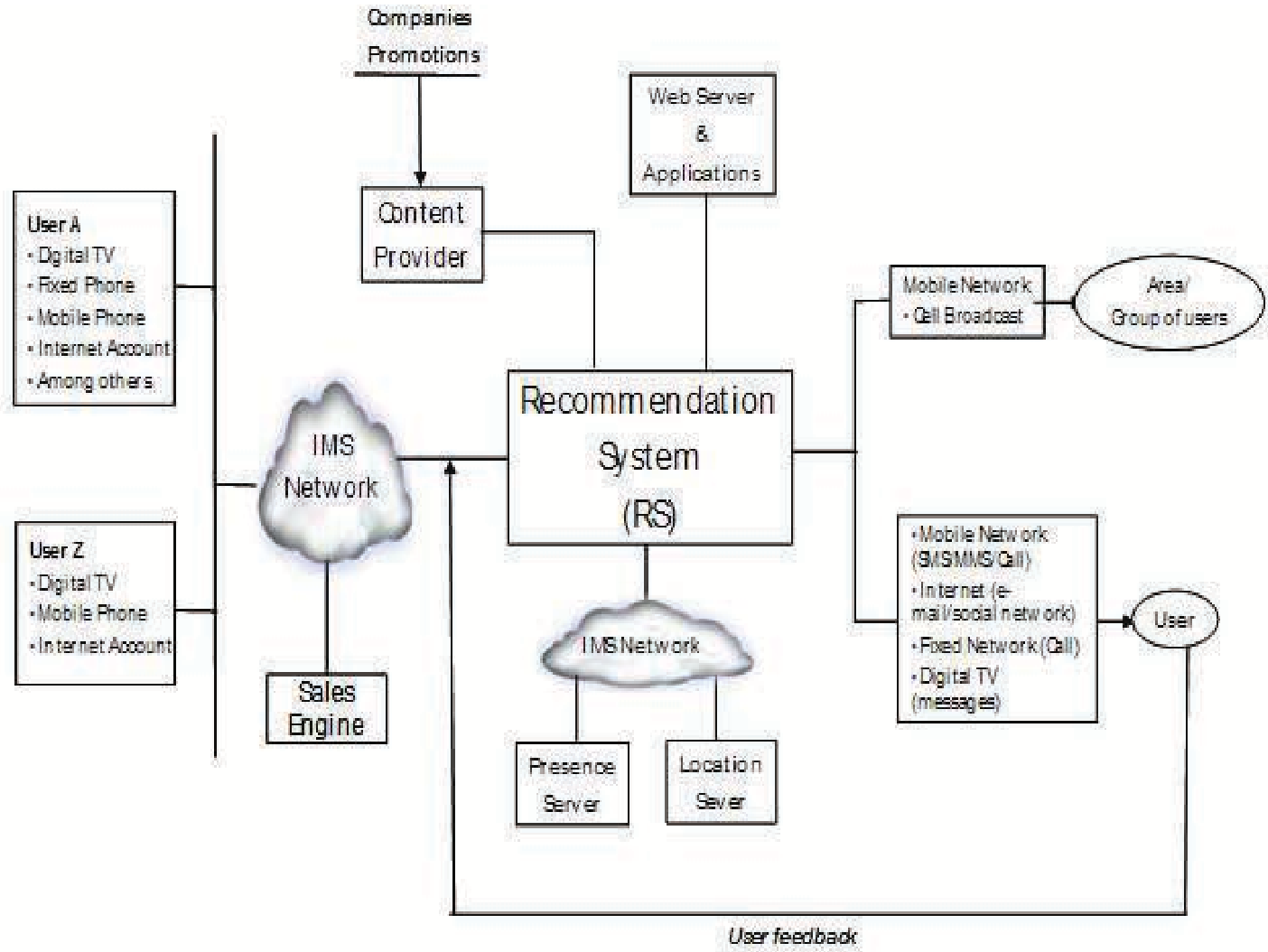 Figure 1: The logical diagram showing how the Web Server, IMS, and Mobile Networks converge.
Methodology: The User Modeling Loop
The "User Modeling Method" described in the paper follows a sophisticated feedback loop:
- Initial Profile: Created via a user-friendly web interface.
- Contextual Enrichment: Updates based on real-time actions and CB message interaction.
- Presence/Location Filtering: Before a recommendation is sent, the system checks if the user is in the "Target Radio" (e.g., 100 meters from a store) and if their status is "Available."
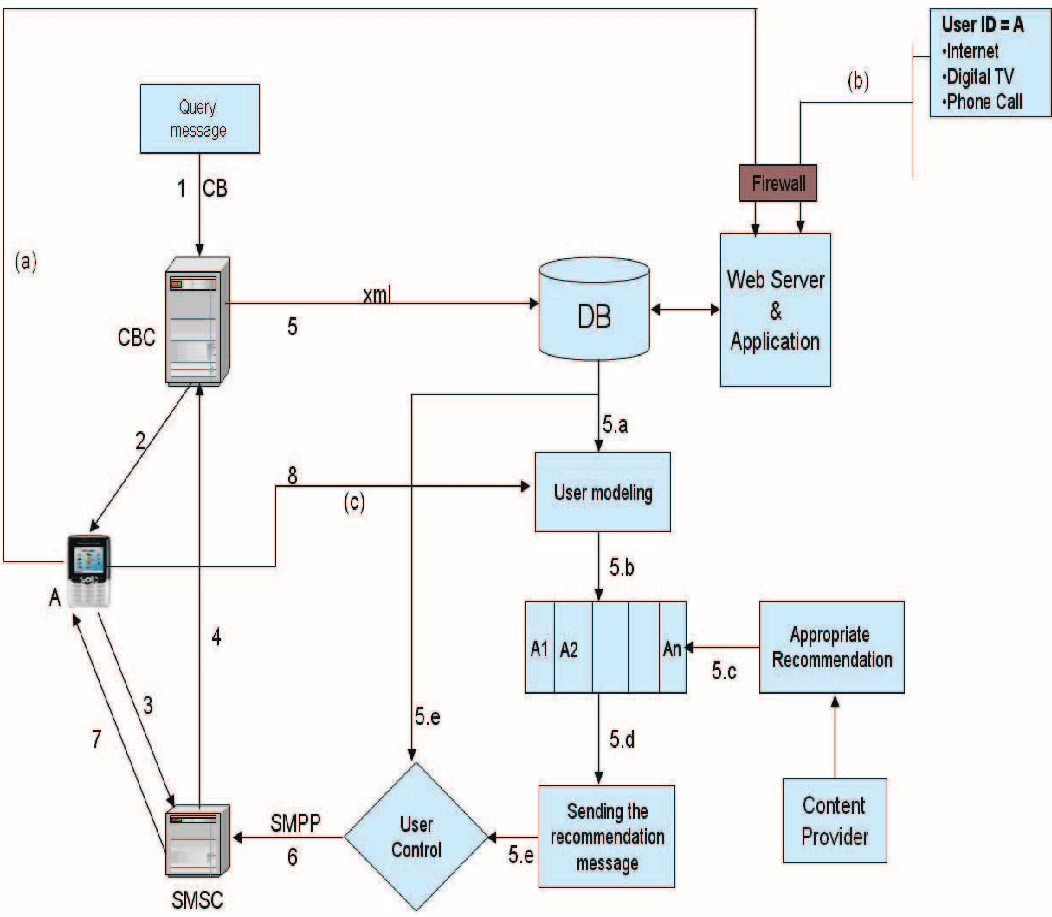 Figure 2: The step-by-step process of managing information and modeling the subscriber.
Experimental Insights
The researchers tested the system with a base of 1,000 simulated subscribers. The results showed that by tailoring recommendations to specific areas and interests, they achieved high satisfaction scores.
| Recommendation Type | Average Score (1-10) |
|---|---|
| Sports | 8.20 |
| Health | 8.60 |
| Local News | 7.98 |
Crucially, the Presence and Location filter prevents "notification fatigue." If a user is in the right area but their presence is "Busy" or "Not Available," the message is suppressed, preserving the user experience.
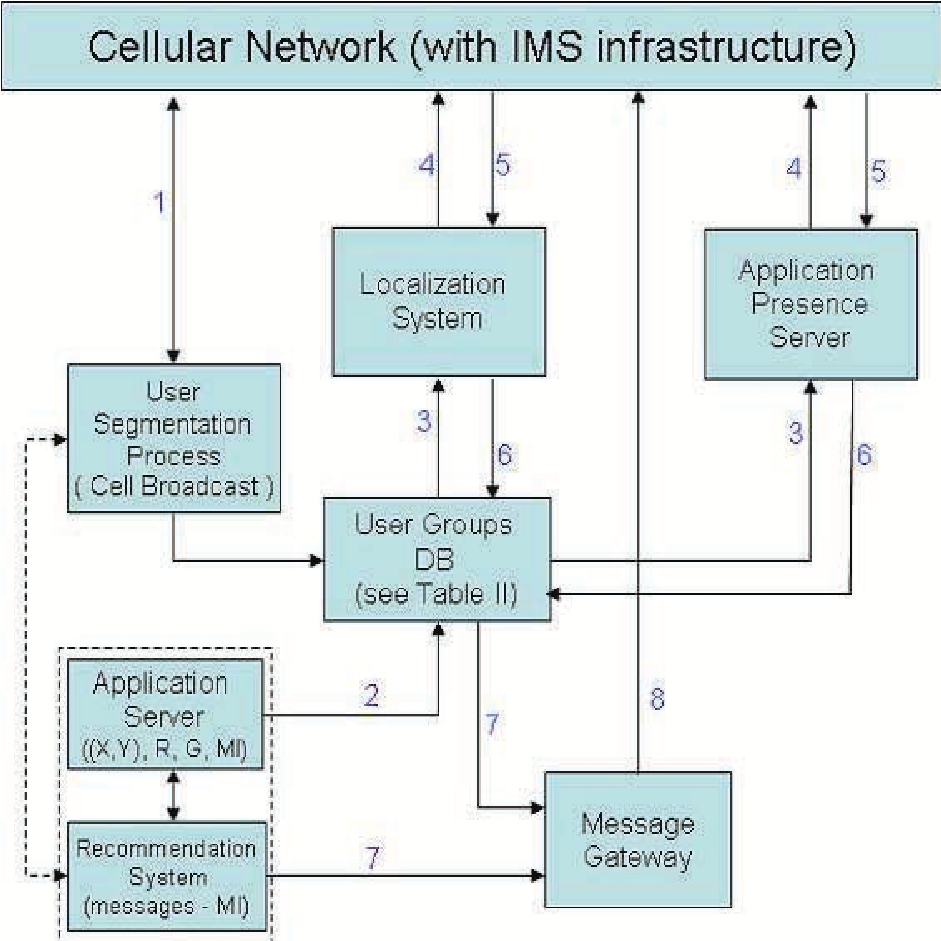 Figure 3: Decision matrix for sending recommendations based on the user's distance from hotspots (X, Y).
Critical Analysis & Conclusion
Takeaway
The integration of network-level technologies (IMS and Cell Broadcast) allows for a Hyper-Local Recommendation System that is far more potent than traditional web-only trackers. It enables "Geographical RS," which is invaluable for physical retail and live event marketing.
Limitations
- Privacy: While the paper mentions "respecting user privacy," the depth of data extraction (browsing, location, TV habits) would require rigorous modern consent frameworks (like GDPR).
- Scalability: The system relies heavily on SIM card configurations and specific hardware interfaces that may be harder to maintain in a fragmented device ecosystem.
Future Outlook
This work laid the groundwork for what we now see in 5G Edge Computing, where recommendations are processed closer to the user to reduce latency. The concept of "Presence-driven" marketing is now a staple in modern hyper-personalized mobile experiences.