
Reimagining the Library Catalog: From Static Lists to Social Discovery
Users' Expectations on Restructuring OPACs through Social Network Applications
This study investigates library users' expectations for "Next-Generation OPACs" (Online Public Access Catalogs) integrated with Social Network 2.0 features. Through a survey of 179 participants at Ankara and Hacettepe Universities, it identifies key functional requirements to transform traditional static catalogs into interactive, user-centered discovery platforms.
TL;DR
The traditional library catalog (OPAC) is facing an existential crisis, losing users to search engines like Google. This research explores the "Next-Generation OPAC"—a system that integrates Social Network 2.0 features such as tagging, relevance ranking, and content previews. The study finds that users aren't just looking for books; they want a social, interactive experience that mirrors modern e-commerce and social media platforms.
The Crisis of the 1%
In the digital age, a staggering statistic haunts libraries: while 84% of users begin their information search on search engines, a mere 1% start at the library catalog. This study by Özel and Çakmak highlights a painful disconnect. Users find traditional OPACs frustrating, time-consuming, and "socially deaf." They want the convenience of Amazon (book covers, reviews, recommendations) but within the scholarly ecosystem of their university library.
The "Social OPAC" Framework
The authors argue that "Library 2.0" isn't just a buzzword; it's a structural necessity. To bridge the gap, they categorize the necessary evolution into three dimensions:
1. Content Enrichment (The "See Before You Borrow" Factor)
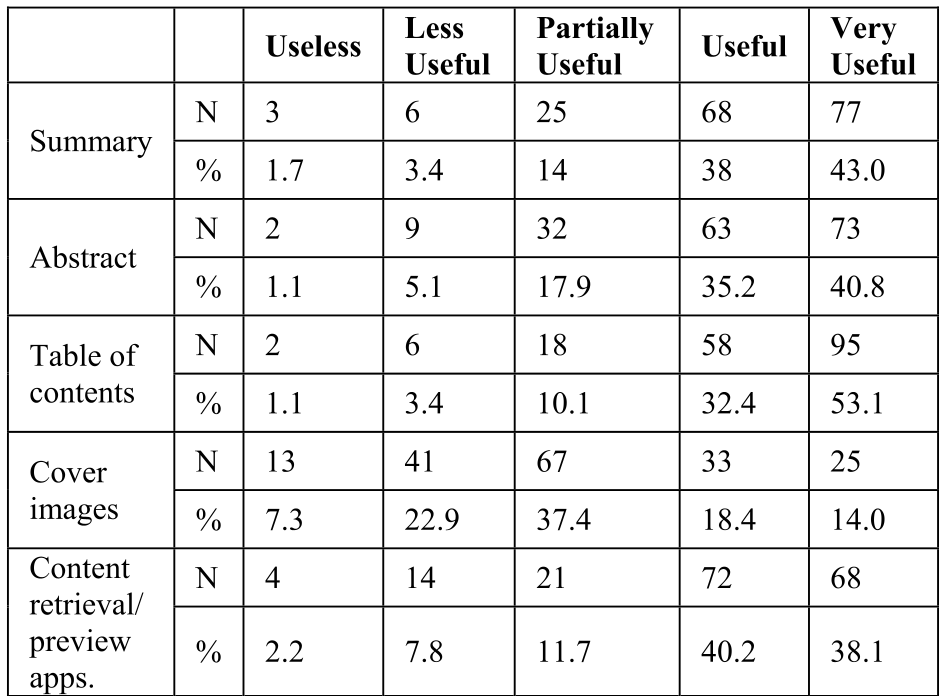
Users are no longer satisfied with just a title and an ISBN. The study shows a massive preference for "Table of Contents" and "Abstracts."
- Insight: Providing a digital preview significantly reduces "search fatigue"—the effort wasted in physically locating a book only to find it irrelevant.
2. Intelligent Retrieval (The "Amazon-ification" of Search)
The methodology moves beyond simple keyword matching.
- Relevance Ranking: Ordering results by utility, not just entry date.
- Facet Structures: Allowing users to filter by format, year, or subject dynamically.
- Spelling Algorithms: The "Did you mean...?" feature that we take for granted in Google is a high-priority request for 72.6% of library users.
3. User Interaction (The Power of the Crowd)
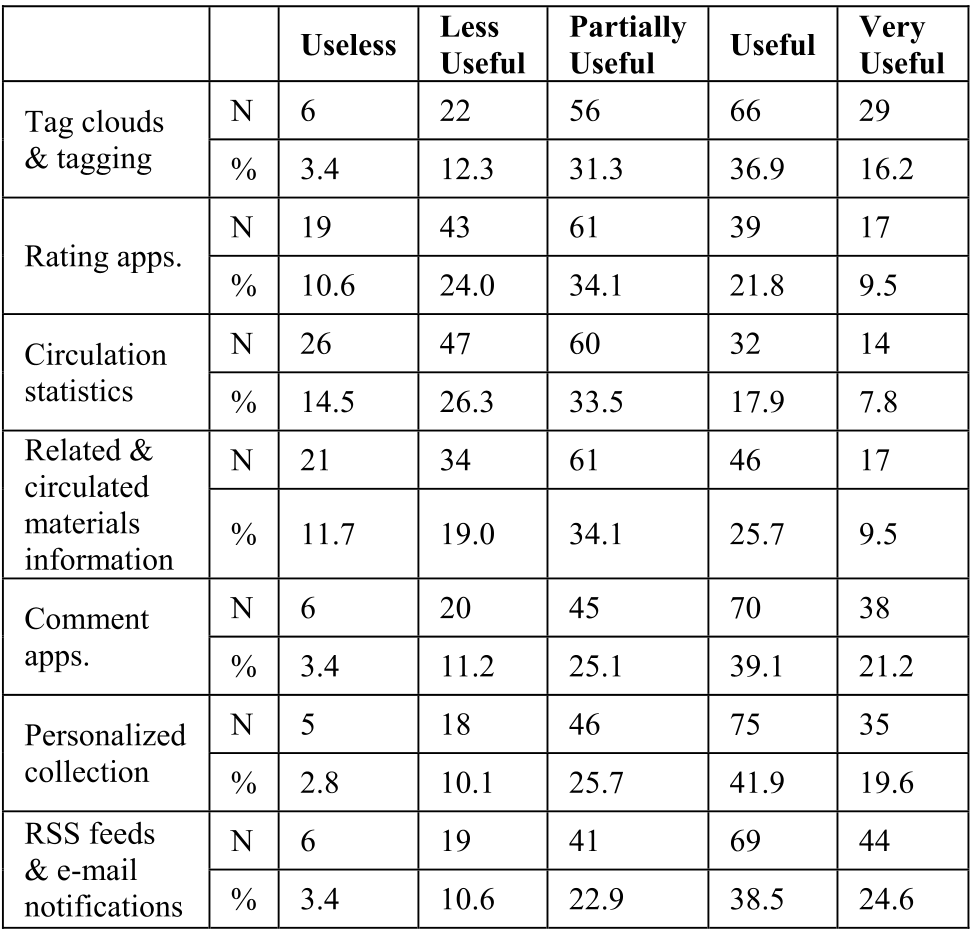
This is where the OPAC becomes "Social." By allowing users to create Personal Collections, Tag items with their own keywords (Folksonomies), and RSS feeds, the library transforms from a top-down institution into a collaborative community.
Key Experimental Findings
The data suggests that while users are ready for this change, their perceptions of current systems are dim.
- 49.7% of users explicitly labeled current OPACs as "insufficient."
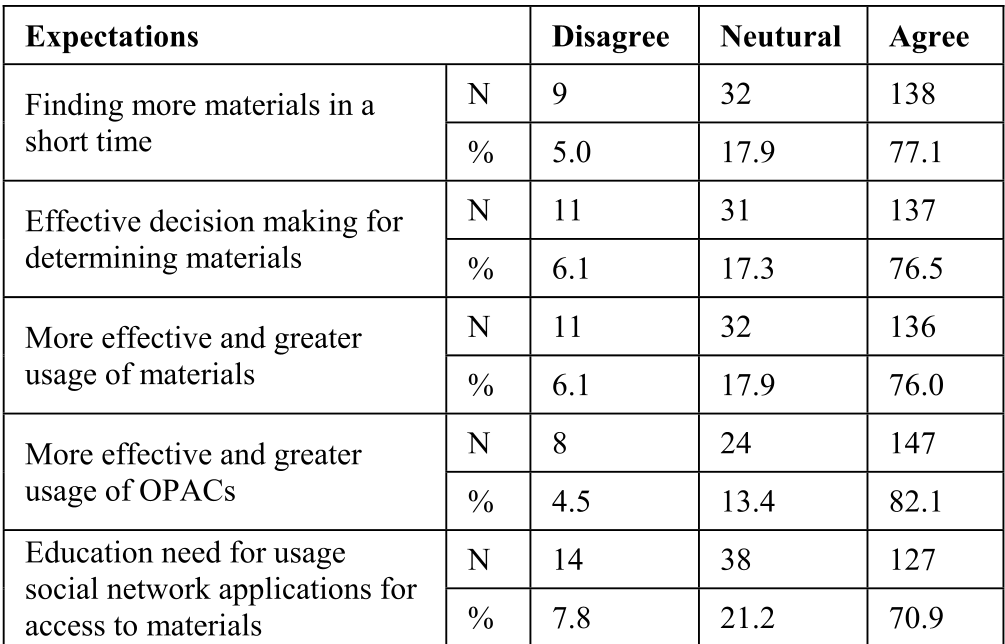
- 82.1% believe that adding social features would increase their frequency of library use.
- Content vs. Aesthetics: Interestingly, while "Table of Contents" was highly valued, "Cover Images" were seen as only "partially useful," showing that academic users prioritize data utility over visual flair.
Critical Insight: The "Education Gap"
One of the most profound takeaways from the paper is that 70.9% of users feel they need education to effectively use these new social tools. This suggests a "Sophistication Paradox": we can build smarter systems, but we must also build smarter users. The transition to Next-Gen OPACs isn't just a software update; it's a cultural shift in how we perceive the role of the librarian—moving from a "gatekeeper" to a "facilitator of social knowledge."
Conclusion
The "Next-Generation OPAC" is the library's best defense against digital obsolescence. By integrating social networking logic, libraries can reclaim their space in the information-seeking journey of the modern student. However, the success of these systems depends on more than just code; it requires ongoing user engagement and a willingness to let the "crowd" participate in the cataloging process.
Future Outlook: As we look beyond 2026, the potential integration of Large Language Models (LLMs) into these faceted, social catalogs could personalize the search experience even further, moving from "Keyword Search" to "Semantic Conversation."