
Paternalistic Leadership vs. Knowledge Integration: Decoding the Emotional "Black Box" in Medical Teams
The Impact of Values and Leadership on Knowledge Integration Behaviors in Medical Projects Teams
This study investigates the drivers of Knowledge Integration Behaviors (KIBs) in 31 Chinese medical project teams. It identifies that while Paternalistic Leadership and Team Values significantly influence KIBs, their impact is fully mediated by Team Affective Commitment (TAC).
TL;DR
Is a "father-figure" leader more effective at making medical experts share their secrets? This study of 31 medical teams reveals that Paternalistic Leadership and Team Values do drive knowledge integration, but they have no direct power. Instead, they act solely by building Team Affective Commitment (TAC). In short: if your team doesn't feel like they "belong," no amount of leadership style will make them integrate knowledge.
The "Black Box" of Team Creativity
In the high-stakes environment of medical project teams, the challenge isn't just having experts—it's getting their tacit, individualized knowledge to flow into a collective pool. This is Knowledge Integration Behavior (KIB).
While Western management literature praises transformational leadership, the Chinese context often operates under Paternalistic Leadership—a mix of authority and fatherly benevolence. The researchers aimed to bridge a gap: How exactly do these cultural and leadership styles translate into the physical act of sharing and combining knowledge? They suspected a "black box" mediator was at play.
Methodology: Bridging Values and Action
The researchers surveyed medical professionals across four major hospitals. They focused on three pillars:
- Paternalistic Leadership: Both Authoritarianism (control) and Benevolence (care).
- Team Values: Focusing on Employee Development, Customer Orientation, and Innovation.
- The Bridge: Team Affective Commitment (TAC)—the emotional bond members feel toward their group.
The Theoretical Framework
The study utilizes Social Exchange Theory, suggesting that when members perceive care (benevolence) or shared goals (values), they feel an emotional obligation to "repay" the team by sharing their most valuable asset: knowledge.
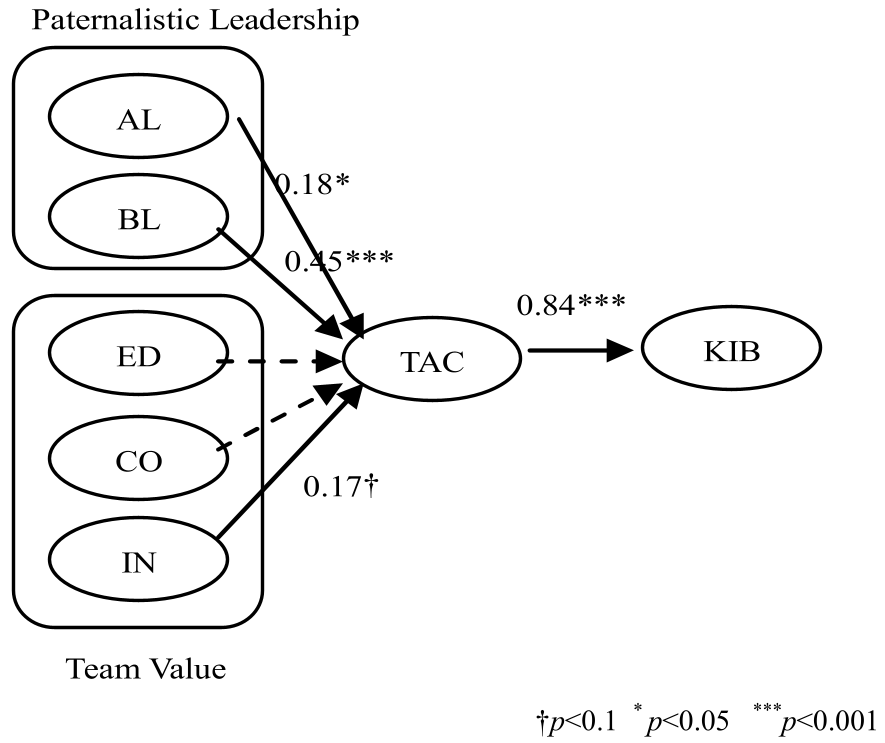 Figure 1: Path analysis showing the central role of Affective Commitment.
Key Findings: The Power of Emotion
The empirical results yielded several sophisticated insights that challenge simple "leadership-to-performance" assumptions:
1. The Full Mediation of TAC
The most striking discovery was that leadership and values have zero direct impact on knowledge integration when emotional commitment is factored in. This means that leadership style is merely a tool to build commitment; it is the commitment itself that drives the behavior.
2. No Synergistic Effects
Surprisingly, combining strong paternalistic leadership with strong team values did not produce a "1+1 > 2" effect. Instead, the study found a substitutive effect. If a team already has strong shared values, the incremental influence of a paternalistic leader decreases, and vice versa.
3. The Breakdown of Leadership Styles
- Benevolence: High correlation with commitment. Caring for a subordinate's personal well-being directly fuels their desire to share knowledge.
- Authoritarianism: In this medical context, even authoritarianism showed a positive impact on commitment, likely because clear authority provides structure in high-risk environments, though its effect was weaker than benevolence.
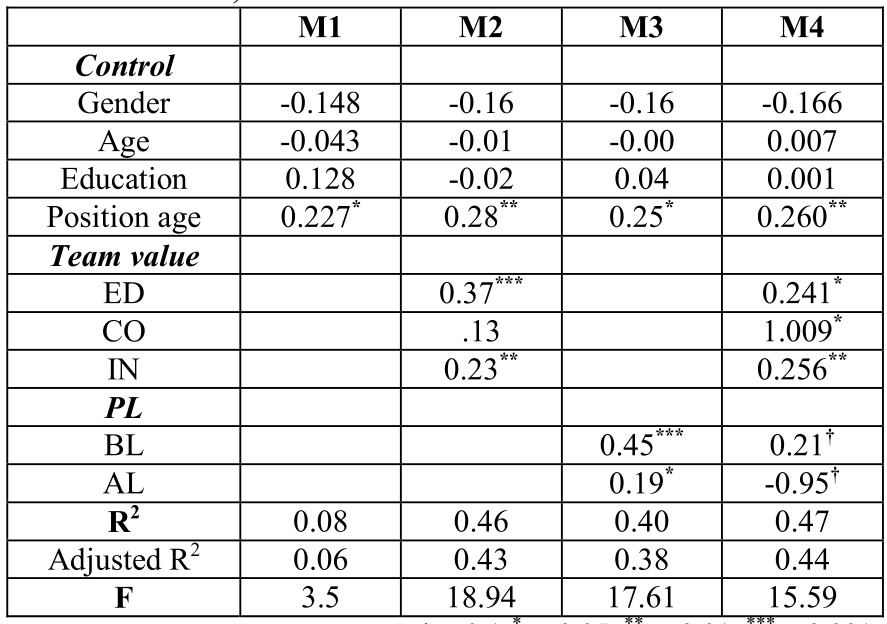 Table 1: Hierarchical regression showing how TAC () dominates the model in M4.
Critical Insight: Why This Matters for Tech and Healthcare
This paper moves beyond the "what" of leadership and deep into the "how." For organizations operating in "high-clock-speed" or high-pressure environments (like hospitals or R&D labs):
- Stop managing behaviors, start managing emotions: You cannot force knowledge integration through policy. You must cultivate "Affective Commitment."
- Cultural Context is King: In certain cultures, paternalistic traits aren't "outdated"—they are functional psychological tools that provide the safety necessary for experts to collaborate.
Limitations and Future Outlook
While the study is robust, it is limited to the hospital sector and individual-level analysis. Future research should look at cross-level effects (how organization-wide culture affects small team dynamics) and explore "Moral Leadership"—the third, often missing piece of the paternalistic leadership triad.
Conclusion: Knowledge integration is a voluntary emotional act. To unlock the "black box" of team creativity, leaders must pivot from being directors of information to architects of belonging.