
Vernacular Landscapes: Bridging Global Trends with the Soul of China's Traditional Villages
The vernacular cultural landscape in traditional villages: global hotspots, emerging trends, and a case study of China’s Qilu cultural district
This study presents a comprehensive bibliometric and qualitative analysis of the "Vernacular Cultural Landscape" (VCL), focusing on global trends and a specific case study of traditional villages in China's Qilu Cultural District. Utilizing CiteSpace and VOSviewer, the research maps the evolution of VCL from agricultural roots to modern sustainable management, identifying the USA, UK, and China as core research hubs.
TL;DR
In an era where urbanization consumes 80 natural villages a day, this research provides a vital blueprint for saving the "living history" of rural spaces. By combining global bibliometric data with a microscopic look at China's Qilu Cultural District (Shandong), the authors reveal how traditional architecture must evolve from "ancient relics" into "sustainable, livable habitats."
Background: The Crisis of Homogenization
Traditional villages are more than just clusters of old houses; they are the physical manifestation of farming civilizations. However, as capital and people migrate to cities, rural areas face a dual threat: physical dismantling and cultural homogenization. The "blank spaces" on the map—regions where traditional villages aren't even rated or recorded—represent a silent extinction of local heritage.
Methodology: The Macro and the Micro
The authors bridge the gap between global academic discourse and local field realities through a two-step process:
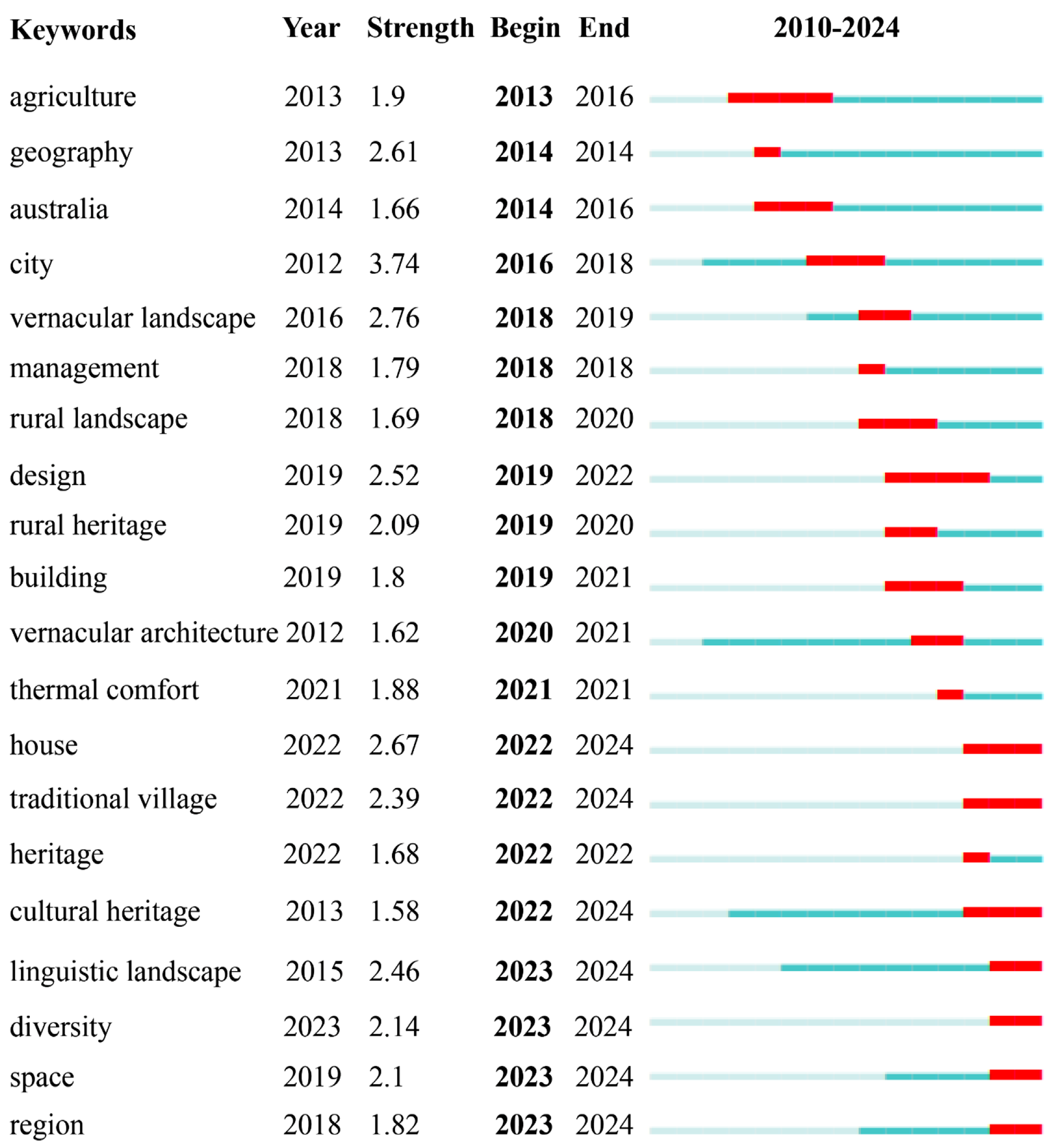
- Global Mapping: Using CiteSpace to analyze 453 core papers, identifying how VCL research has shifted from "agriculture" (2013) to "thermal comfort" and "biodiversity" (2021+).
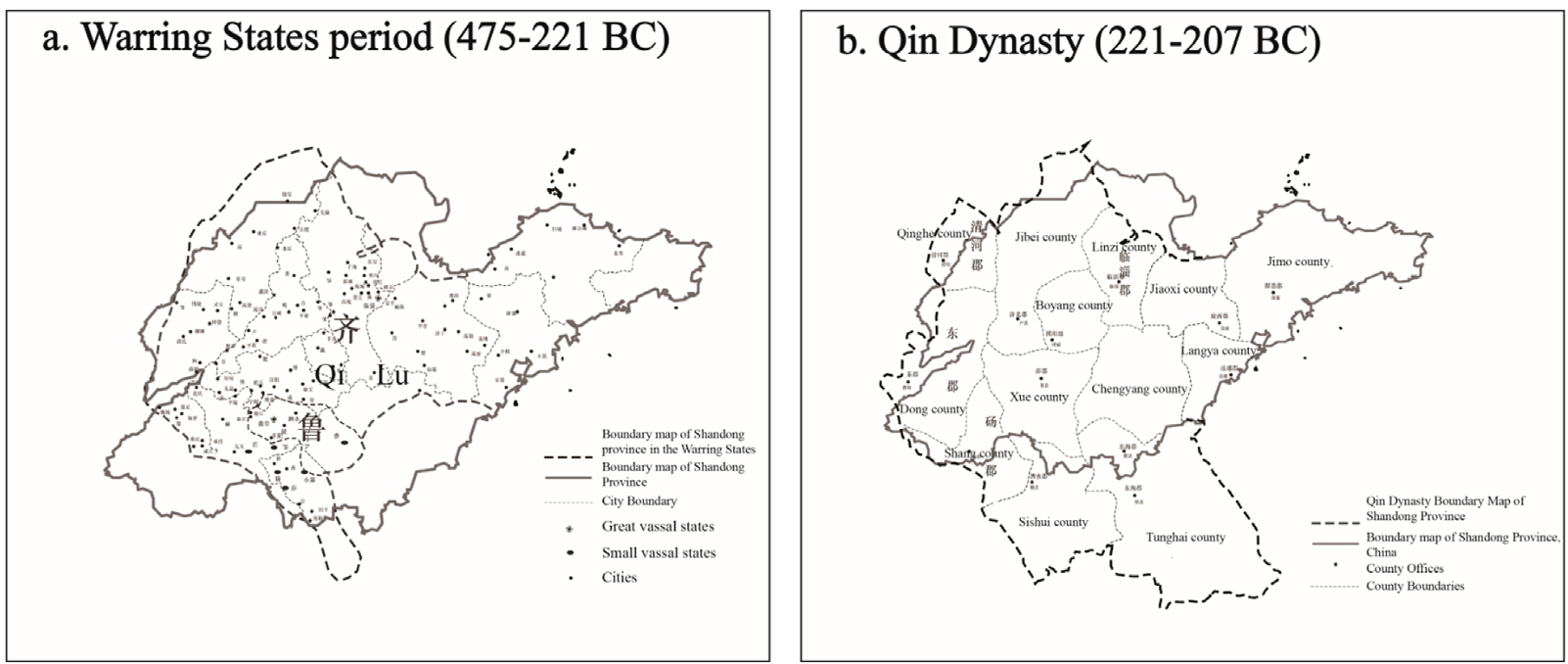
- Case Study: A deep dive into Shandong, where the "Qi" (coastal/open) and "Lu" (inland/Confucian) cultures intersect to form a unique vernacular architecture.
Key Insights: Why "Why" Matters
The paper argues that the success of village preservation depends on three distinct lenses:
- Architectural Discipline: Moving from single-house studies to understanding the "grid-type" spatial sequences of entire villages.
- Cultural Protection: Leveraging the "Rural Revitalization" strategy to create digital databases of intangible heritage.
- Tourism Development: Fighting the urge to turn every village into a generic tourist trap by emphasizing "local cultural symbols."
Global Research Distribution
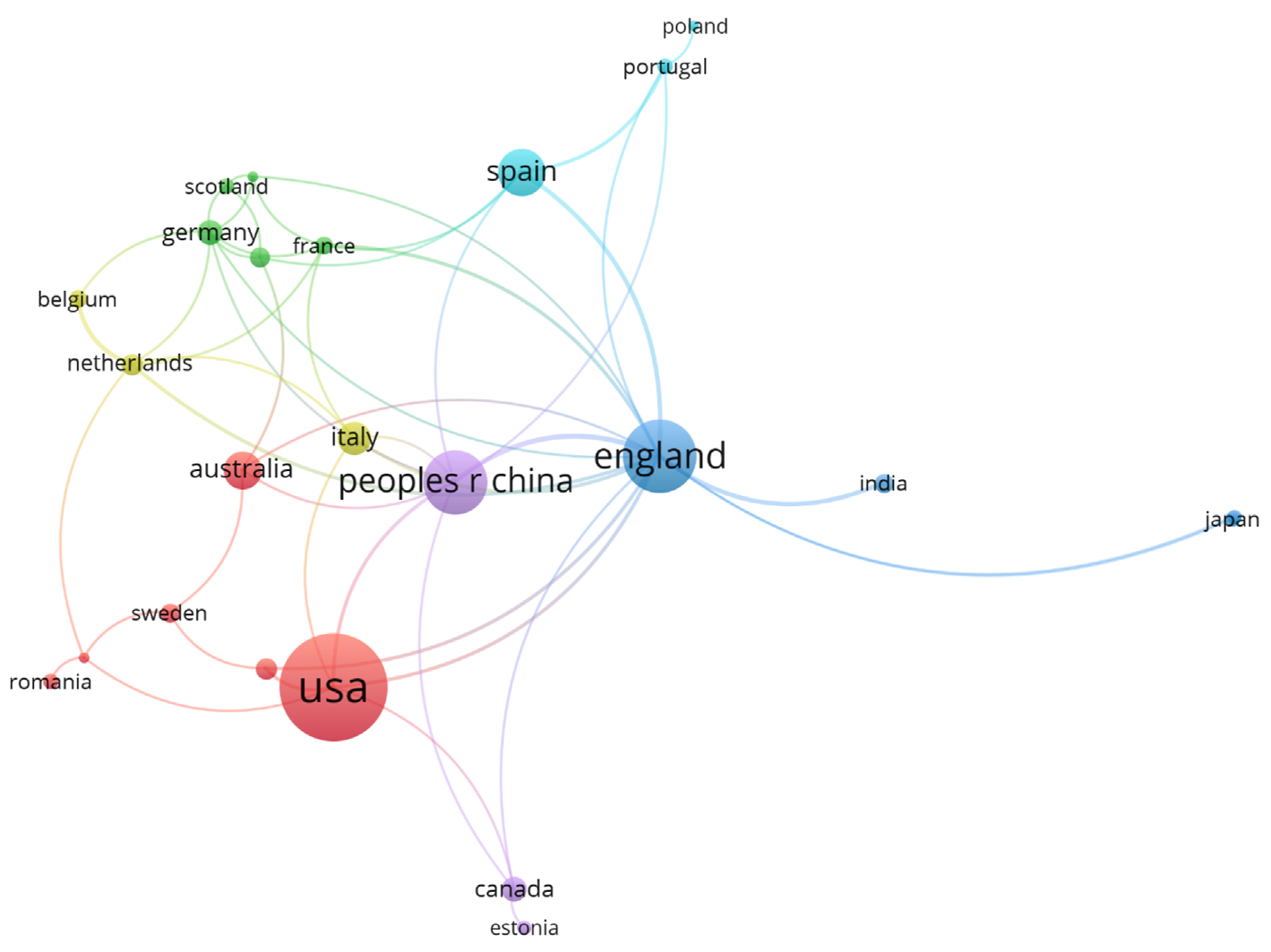
The USA, UK, and China dominate the landscape. Interestingly, Chinese research has "surged" since 2013, coinciding with national policies on village protection.
Deep Dive: The Qilu District Paradox
Shandong presents a fascinating case. While central and eastern Shandong (mountainous and coastal) have preserved villages due to difficult terrain and higher economic focus, the northern plains are empty of "national-level" status despite practicing traditional simple lifestyles. This reveals a "reporting bias" where only easily accessible or "famous" villages get protected.
The Shifting Focus of Research
The evolution of keywords (from Agriculture to Thermal Comfort) suggests that we are no longer just looking at what these villages were, but how they can be livable today.
Conclusion & Critical Analysis
The study concludes that the future of the vernacular cultural landscape lies in multidimensional databases. We cannot protect what we do not measure.
Limitations: The authors acknowledge that relying solely on the Web of Science core database may miss "local wisdom" found in Chinese-only journals (CNKI) or local chronicles. Future Outlook: The next frontier is the integration of GIS with "Linguistic Landscapes"—understanding how the language and signs of a village contribute to its soul as much as the stones and mortar do.
Senior Editor's Note: This paper is a call to action for architects and policymakers to stop viewing traditional villages as static museums and start treating them as dynamic ecological systems.