
VERTIGO: Transforming Ephemeral Media Moments into Persistent Associative Trails
VERTIGO: Find, Enjoy and Share Media Trails across Physical and Social Contexts
VERTIGO is a conceptual context-aware multimedia platform designed to enable the discovery and sharing of "media trails" across physical and social environments. By leveraging mashup technologies and social network analysis, it bridges the gap between linear media consumption (TV/Radio) and interactive web services.
TL;DR
VERTIGO is a visionary framework designed to break the silos of modern media consumption. By introducing the concept of "Media Trails," it allows users to find, enjoy, and share interconnected media experiences—such as linking a physical movie filming location to its soundtrack, social discussions, and home viewing—across mobile, desktop, and living room contexts.
The Fragmentation Crisis: Why Consumption Feels Broken
Despite the "Web 2.0" revolution, our media lives remain remarkably fragmented. The authors identify three distinct but isolated silos:
- The Living Room: Focused on "laid-back" consumption (TV/IPTV) but struggling with interactivity.
- The Desktop: High productivity ("lean-forward"), dominates music management, but lacks physical context.
- The Mobile Context: Excellent for communication and geolocation, yet rarely used to enrich the actual media being consumed.
The core problem is that media experiences are ephemeral. We see a scene, think of a friend, or remember a song, but these "trails" of thought are rarely captured or connected by the technology we use.
Methodology: The "Trail" as a Cognitive Link
VERTIGO draws its theoretical inspiration from Vannevar Bush’s 1945 "Memex" concept, which suggested that information should be organized by association—the way the human mind works—rather than by rigid indexing.
The Connectivity Logic
VERTIGO envisages a Contextual Media Dashboard that acts as a "proactive remote." It uses:
- Mashup Technologies: Combining APIs from sources like YouTube, Last.fm, and Setlist.fm.
- Social Analysis: Visualizing connections between "hubs" of interest and social circles.
- Context-Awareness: Utilizing GPS and user history to suggest relevant "rabbit holes" of content.
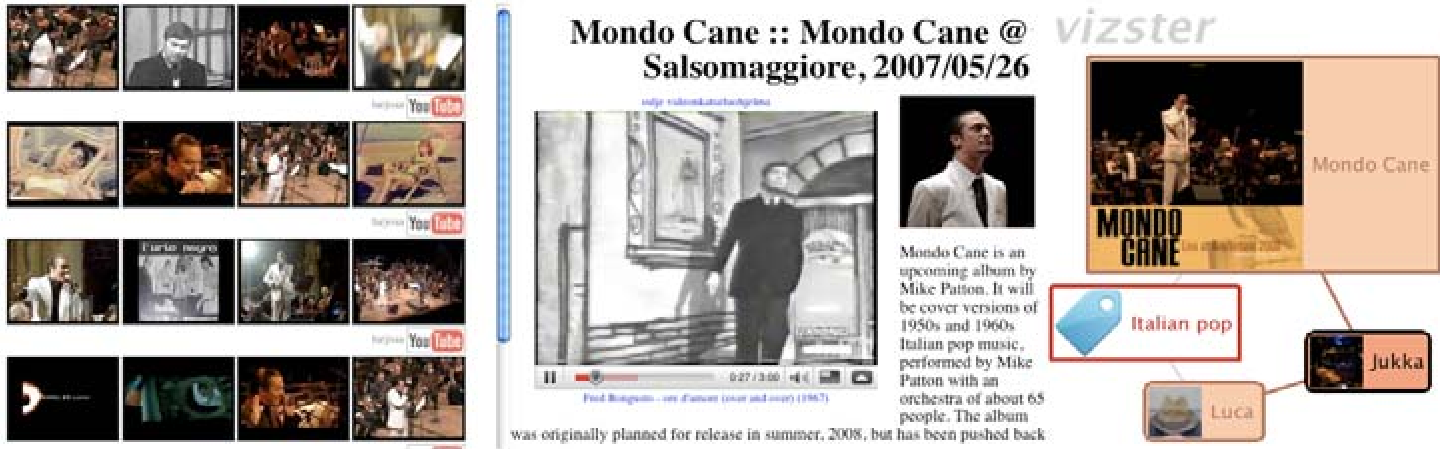 Figure 1: Visualizing the intersection of media hubs and social connections.
User Scenarios: Bridging Reality and Digital Media
The paper utilizes scenario-based design to illustrate the "VERTIGO experience":
Scenario A: The Memory Helper
A user watching a movie can leave "digital Post-its" on specific scenes. Years later, when re-watching, the system retrieves these personal flashbacks, orders related books from partners, and checks if friends are online to join a synchronized viewing session.
Scenario B: Linking Places and Media
Imagine standing on the Golden Gate Bridge. VERTIGO notices your location and dynamically populates a playlist containing the Vertigo movie theme, local historical trivia, and associated social media posts from your circle.
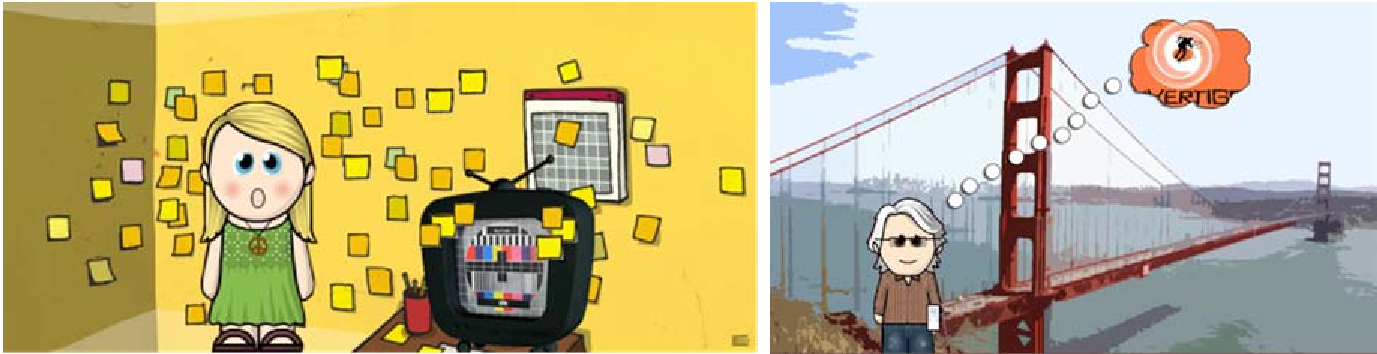 Figure 2: Mobile context-awareness identifying trails tied to a physical location.
Critical Analysis & Conclusion
VERTIGO is less of a single algorithm and more of a Value Network strategy. It recognizes that the barrier to "unified media" isn't just technical—it's industrial.
Key Takeaways:
- The End of Walled Gardens: True innovation requires interoperability between hardware manufacturers (Samsung/Philips) and service providers (Facebook/YouTube).
- Interactivity Beyond the "Click": Interaction should be proactive, suggesting content based on the "intricate web of trails" in the user’s life.
Limitations: While the vision is compelling, the paper is an early-stage design. The challenges of Universal APIs and Data Privacy remain significant hurdles. However, as we move toward an era of ubiquitous AI and AR, the VERTIGO model of "Media Trails" provides a vital blueprint for how we might finally merge our physical and digital narratives.