
Virtual Community Design: Orchestrating Home-Based Care for Chronic Diseases
A Virtual Community Design for Home-Based Chronic Disease Healthcare
This paper presents a prototype for a web-based virtual community tailored for home-based chronic disease healthcare. Using Activity Theory as a framework, the authors developed a stakeholder-integrated platform that enables peer-to-peer learning, remote monitoring, and direct provider communication, specifically targeting users aged 55+.
Executive Summary
TL;DR: This paper proposes shifting the management of chronic diseases from congested hospitals to the home via a "Virtual Community." By integrating Activity Theory with user-centered design, the authors developed a prototype that connects patients, doctors, and family members into a unified ecosystem, significantly reducing wait times and improving information sharing for the elderly.
Context: This work positions itself as a transition from traditional Electronic Health Records (EHR) to a social-technical "community" model. It addresses the practical gap between clinical data collection and the daily social-support needs of patients suffering from long-term conditions.
Problem & Motivation: The "Waiting Room" Crisis
Chronic diseases account for 60% of global mortality. The current healthcare paradigm is reactive and hospital-centric, leading to:
- Resource Strain: Long queues for appointments result in missed opportunities for early intervention.
- Interoperability Fragmentation: In Sweden, for instance, nurses often navigate 5-10 different IT systems that do not talk to each other, leading to repetitive data entry and lost medical histories.
- Inconvenience: Frequent travel to healthcare centers is taxing for elderly patients with limited mobility.
The authors' insight is simple: since chronic diseases rarely require urgent medical diagnosis but need constant monitoring, the "front desk" of healthcare should move to the patient's home through ICT (Information and Communication Technology).
Methodology: Activity Theory as a Design North Star
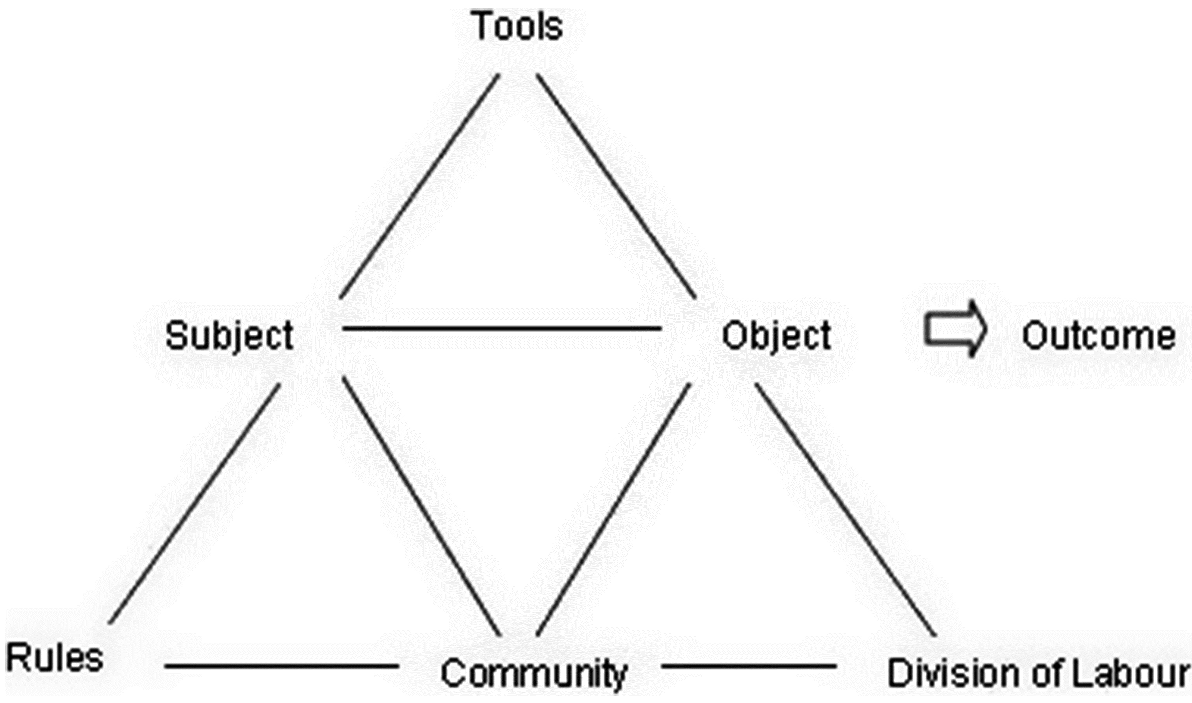
To build a robust community, the authors didn't just look at technology; they looked at human interaction through the lens of Activity Theory.
The Activity Model
A community is defined not just by its members, but by its goal-oriented actions.
- Subject: Healthcare providers and family.
- Object: The patient (healthcare recipient).
- Tools: EHRs, monitoring devices, and the Internet.
- Subject-Object Mutuality: In home care, the patient is both the one acting (Subject) and the one being treated (Object), a shift from the passive role in traditional medicine.
Requirement Elicitation via User Stories
Unlike dense technical documents, the authors used User Stories (Agile methodology) to define needs. For example: "As a care recipient, I want to record my daily health data and share it with specific people."
Experimental Results: What Do Patients Actually Want?
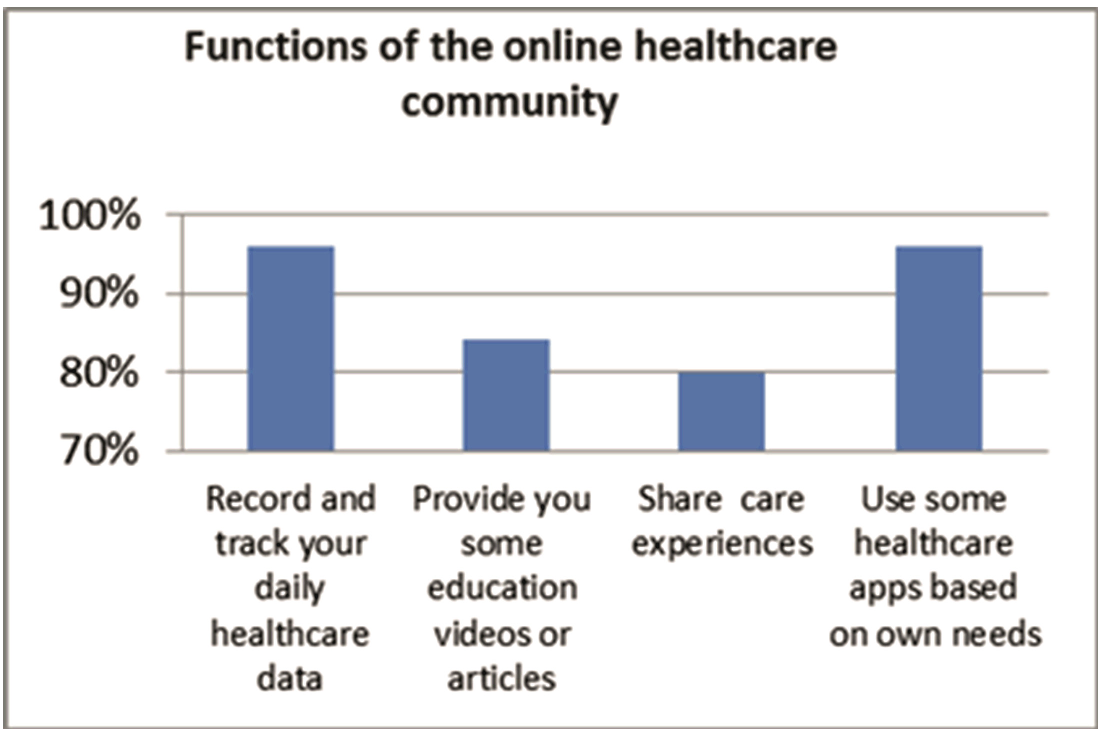
The study conducted a survey among patients (age 55+) in the US and Sweden.
- Digital Readiness: 60% of elderly respondents use the internet for over 6 hours a day, debunking the myth that the elderly avoid technology.
- Functional Priorities: High demand for online diagnosis (96%), daily health tracking, and peer-to-peer forums.
- Key Friction: Existing portals (like Sweden's 1177) have a lag of ~5 days for responses; the proposed virtual community seeks real-time "Online Chat."
Prototype Architecture
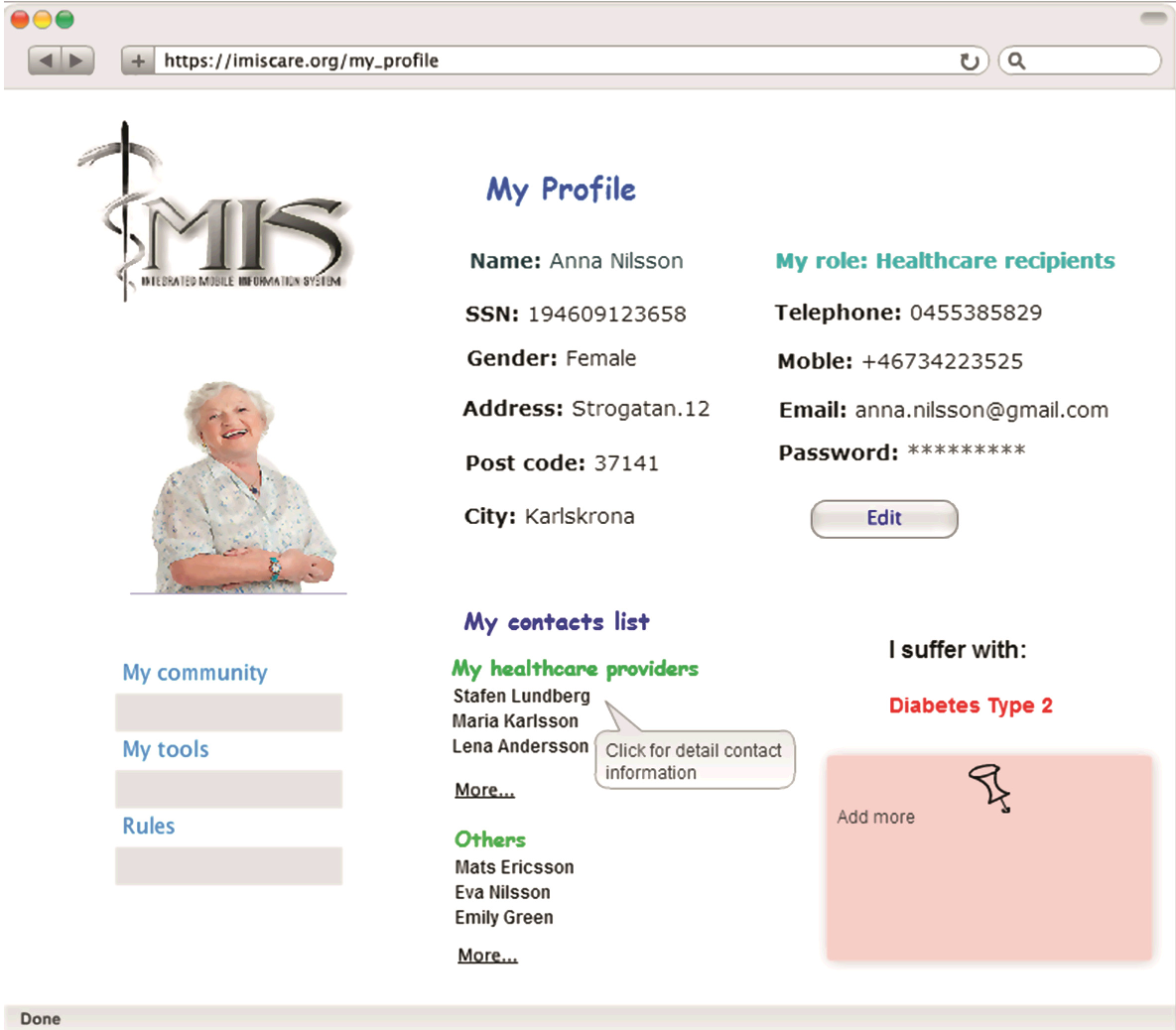
The prototype utilizes a horizontal strategy, ensuring all stakeholder views are represented:
- Patient Profile: Centralizes daily vitals (blood sugar, diet, emotion) and contact lists for doctors and family.
- Provider Profile: Includes a "Task List" and clinical decision support tools.
- The "My Community" Page: A social hub for immediate feedback and peer experience sharing.
Critical Analysis & Conclusion
The Verdict: The paper successfully bridges the gap between social networking and medical management. The use of Activity Theory ensures that the software design honors the complex responsibilities (Division of Labor) within healthcare.
Limitations:
- Sample Size: The survey size (25-27 valid responses) is statistically thin for broad generalizations.
- Implementation Depth: The paper describes a "horizontal prototype" (breadth over depth). The backend handling of sensitive data (encryption/security) is discussed conceptually but not yet stress-tested.
Future Outlook: The next logical step is integrating this community with Cloud Computing to ensure 24/7 availability and global mobility, allowing patients to travel while remaining connected to their healthcare "tribe."