
Virtual Homage: The Evolution and Friction of Mourning in the Social Web
Virtual Homage to the Dead: An Analysis of Digital Memorials in the Social Web
The paper investigates "Virtual Homage to the Dead" by analyzing digital memorial platforms (iHeaven and SaudadeEterna) within the Brazilian Social Web. It utilizes netethnography, interaction tests, and questionnaires to explore how funeral rites migrate to virtual environments and how users perceive digital mourning functionalities.
TL;DR
As cultural practices migrate online, the act of mourning is being reshaped by Digital Memorials. This paper analyzes Brazilian platforms like iHeaven and SaudadeEterna to understand how users interact with the "Digital Dead." While these platforms democratize tribute-paying by overcoming time and distance, they face significant friction when religious rites (like prayer) are reduced to mechanical "clicks," leading to a perceived trivialization of grief.
The Digital Migration of the Sacred
The "turning point between the state of nature and the state of culture" has long been defined by how we treat our dead. In the modern era, this boundary is moving to the Latent Space of the internet. The authors argue that while technology can comfort the bereaved, the transition is not seamless. The core tension lies in Context Collapse: the tools we use for "the alive" (likes, comments, scores) are being awkwardly applied to the "sacred" space of the deceased.
Methodology: Putting the "Social" in Social Memorials
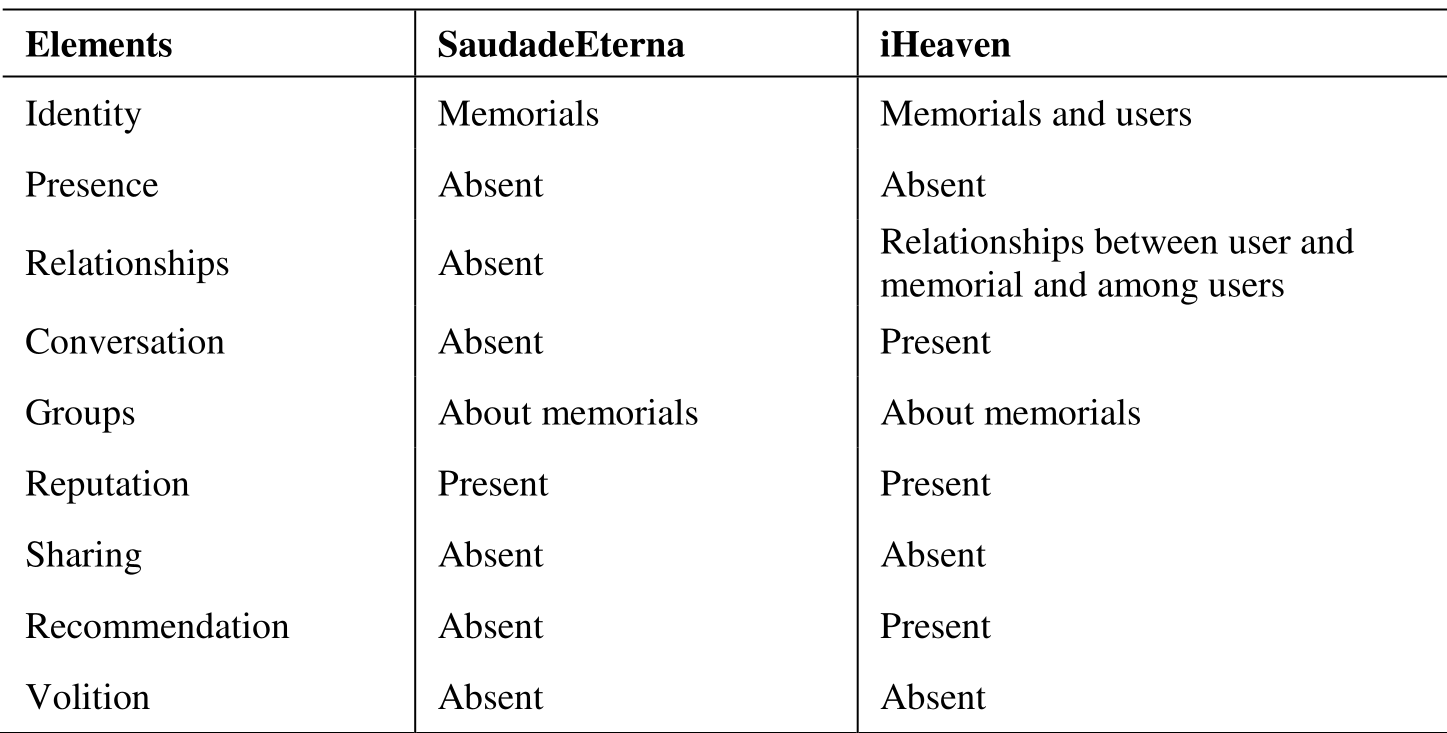
The researchers analyzed two primary platforms through the lens of Social Web elements:
- iHeaven: Modeled on the concept of "tombstones," identifying both the deceased and the users, allowing for complex social relationships (friend, relative, idol).
- SaudadeEterna: A more restricted environment where all interaction happens directly on the memorial pages without individual user profiles.
Interaction Findings: The "Prayer" Paradox
The most striking insight came from the user interaction tests. When users were asked to "pray" for a deceased person by clicking a button, the reaction was often negative.
- Mechanical Trivialization: Users compared clicking a "Pray" button to "Liking" a post on Facebook. One user noted, "By clicking ‘pray’, you do not pray. You only pray by praying."
- The Gamification Trap: Some platforms reward memorials with "scores" based on the number of virtual candles or flowers received. Participants found this disrespectful, suggesting that the logic of social competition (scores/reputation) is incompatible with the solemnity of death.
Critical Insights: Beyond the Mechanical Click
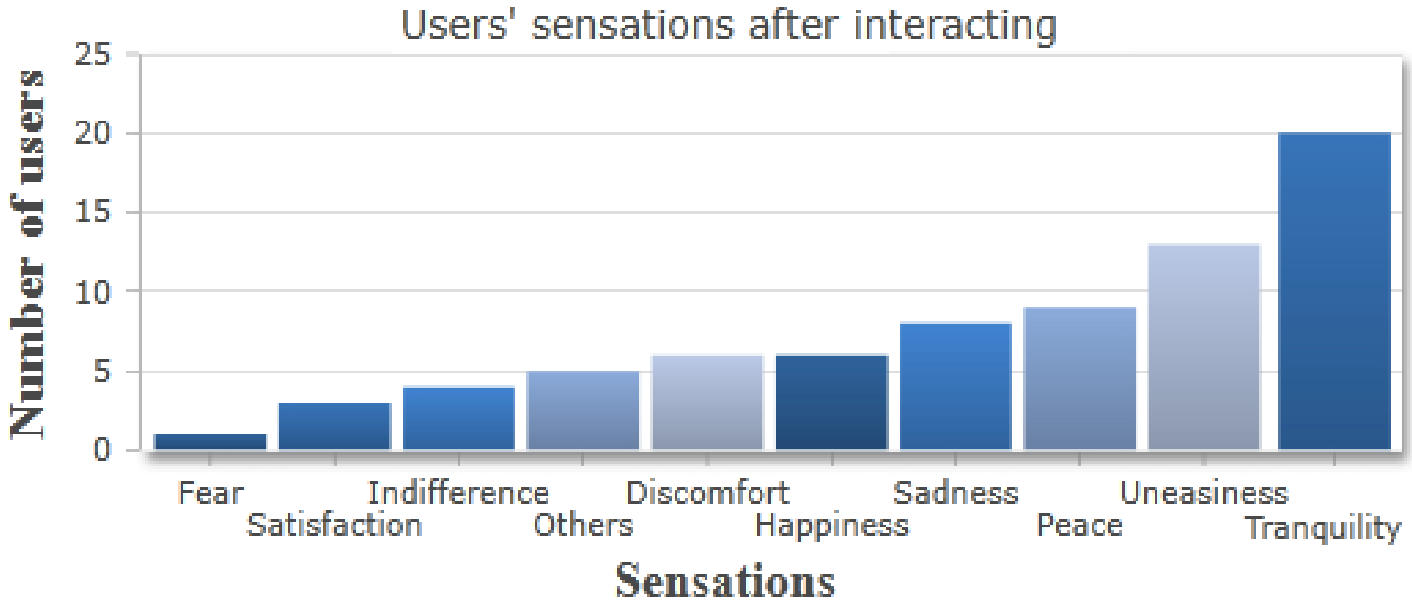
The study reveals that while 65.51% of users believe virtual and physical memorials hold the same symbolic value, the quality of interaction differs.
- Verbal vs. Symbolic: Users preferred "Messages" over icons of candles or flowers because messages require cognitive effort and public expression of care, whereas icons felt like "mechanical procedures."
- Privacy and Ethics: There is a persistent "curiosity" among users (e.g., wanting to know the cause of death) that clashes with the dignity of the deceased.
- Democratic Grief: Digital memorials allow for the tribute of public figures and even fictional characters, suggesting a "democratization" of the memorial space that was previously reserved for the elite or wealthy.
Practical Implications for Tech & Design
- Neutrality is Key: Design must accommodate non-religious users and different faiths; existing platforms are often heavily biased toward Christian symbolism (candles, angels).
- Volition & Consent: A major missing link in current platforms is the "Volitional Element"—giving the living the agency to decide if their profile should become a memorial after death.
- Avoid Gamification: UX designers should be wary of using "points" or "levels" in bereavement contexts, as these trigger a sense of profanation of the sacred.
Conclusion
Digital memorials are not just digital graveyards; they are living repositories of reputation and legacy. However, as we build the "Social Web of the Dead," we must ensure that our interfaces respect the emotional load of the user. The challenge for the next generation of "Death Tech" is to create interactions that feel earned and sincere, rather than just another transaction in the attention economy.