
WLS: Beyond BMI — Building a Unified Engine for Lifestyle & Anthropometric Analytics
Wellness & LifeStyle Server: a Platform for Anthropometric and LifeStyle Data Analysis
The paper introduces the Wellness & LifeStyle Server (WLS), a central component of the SmartHealth 2.0 project. It is a backend platform designed to analyze anthropometric and lifestyle data (nutrition, activity, sleep) collected via mobile apps to support preventive healthcare and promote healthy behaviors.
TL;DR
The Wellness & LifeStyle Server (WLS) is a robust backend platform realized under the SmartHealth 2.0 project. It centralizes the complexity of health data analysis—processing nutrition, physical activity, sleep, and body composition—into a unified server. By shifting from simple weight tracking to advanced metrics like Fat-Free Mass Index (FFMI), it provides users with actionable "Slimming Plans" and long-term health trend analysis via a suite of interoperable mobile apps.
The Core Problem: The Fragmentation of Self-Care
While health self-tracking is booming, it faces a "silo" problem. Most apps operate in isolation: a diet app doesn't know about your sleep quality, and a pedometer doesn't understand your body fat percentage.
The authors argue that body composition is a proxy for lifestyle. However, accurately measuring body composition usually requires expensive equipment. To democratize this, the WLS seeks to bridge the gap between "easy-to-collect" data (circumferences, steps, meals) and "hard-to-derive" medical insights (energy balance, cardiovascular risk).
Methodology: The Logic of the Wellness Engine
The WLS operates on a macro process of Collection → Analysis → Planning. Unlike passive storage systems, the WLS is a "Business Layer" engine that triggers specific evaluations whenever new data arrives.
1. The Body Composition Insight
One of the most significant technical choices in WLS is moving beyond the Body Mass Index (BMI). BMI is often criticized because it cannot distinguish between muscle mass and fat mass. WLS introduces:
- FMI (Fat Mass Index) and FFMI (Fat-Free Mass Index): These relate fat and lean mass to height, revealing if weight loss is coming from fat or muscle.
- WHtR (Waist-to-Height Ratio): Utilized as a superior screening tool for cardiovascular risk compared to waist circumference alone.
2. Predictive Mathematical Modeling
To calculate Body Density () without clinical machinery, the system employs the Hodgdon and Beckett equations. These use specific body circumferences (neck, waist, and hips) and height to estimate fat percentage () via the Siri Formula:
3. System Architecture
The platform follows a classic three-tier architecture developed in Java JEE7:
- Communication Layer: REST APIs that allow any third-party app to "plug in" to the WLS intelligence.
- Business Layer (The Heart): Contains the
Body EvaluatorandWellness Enginewhich handle the mathematical heavy lifting. - Presentation Layer: A web portal for users to manage their data history.
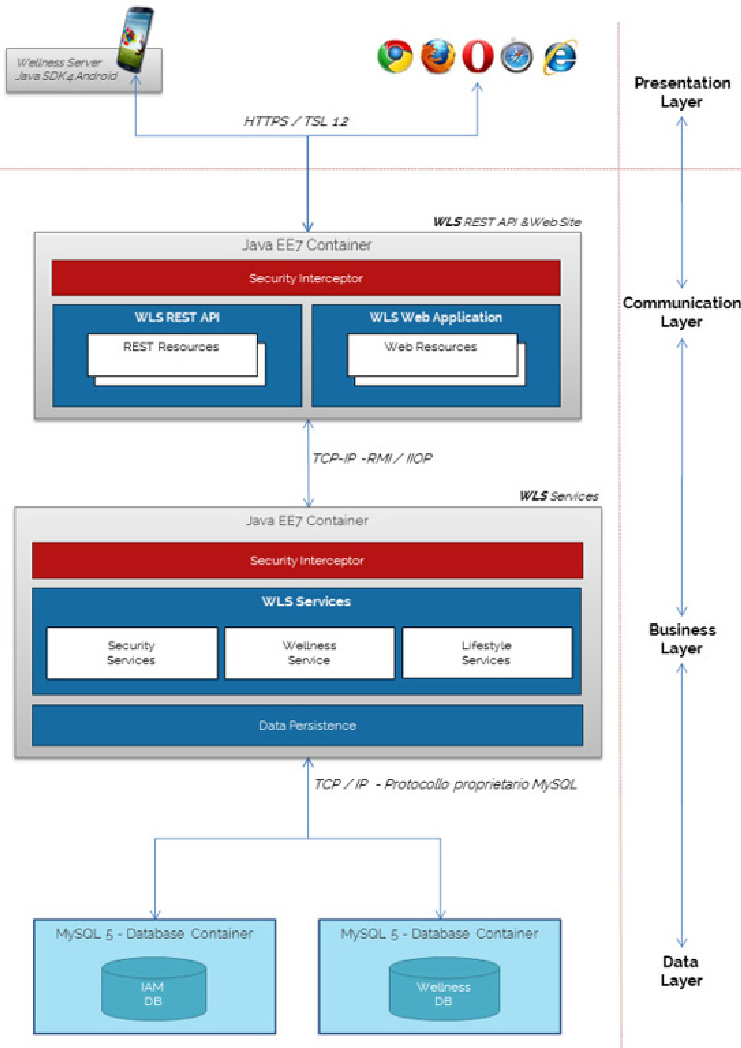 Figure 1: The Logical Architecture of the Wellness & LifeStyle Server.
Experiments and Field Trials
The WLS wasn't just tested in a lab. It underwent a trial phase across four Italian districts: Crotone, Cosenza, San Giovanni in Fiore, and Lamezia Terme.
Key Findings:
- Reliability: The server successfully handled diverse data streams from varying user behaviors.
- Actionable Planning: The "Slimming Plan" module was able to dynamically reformulate goals if a user fell behind their target, shifting the user's role from a passive tracker to an active participant.
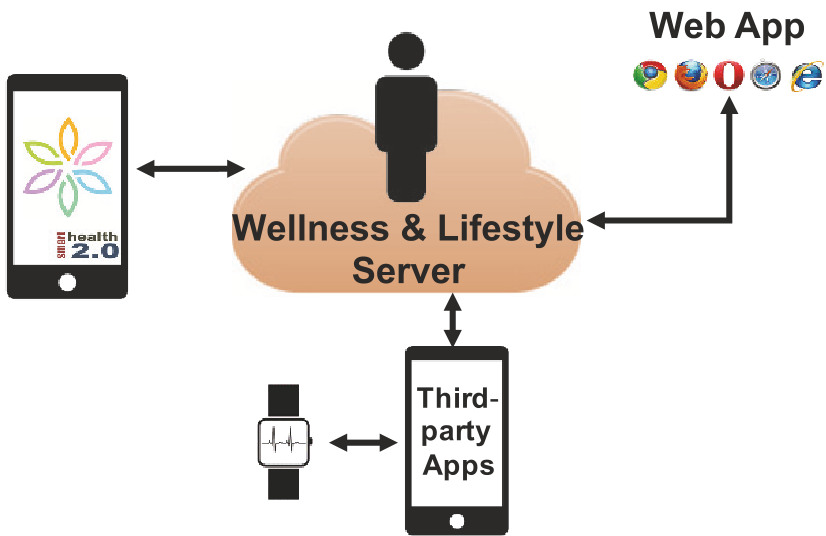 Figure 2: The Macro Business Process: Collection, Analysis, and Planning.
Critical Analysis & Conclusion
The true value of WLS lies in its Inductive Bias: the assumption that anthropometric changes are the best indicators of lifestyle success. By automating the math (Siri formula, FFMI, WHtR), it brings clinical-grade analysis to a standard smartphone.
Limitations: Currently, the system focuses on the quantity of nutrition (calories) rather than the quality (macronutrient balance). Furthermore, while the architecture is flexible, the authors acknowledge that fine-grained security for sensitive health data remains a work-in-progress, especially regarding how healthcare workers access these "semi-structured" records.
Future Outlook: The WLS sets the stage for a more "prescriptive" AI in wellness—one that doesn't just tell you that you walked 5,000 steps, but tells you exactly how those steps changed your Fat Mass Index over the last 30 days.