
The Viral Mechanics of Virtue: Why "Sad" Games Might Spread Better Than "Fun" Ones
What makes good games go viral? The role of technology use, efficacy, emotion and enjoyment in players' decision to share a prosocial digital game q
This study investigates the predictors of viral sharing behavior for "serious games" (prosocial digital games), using Darfur is Dying as a case study. It identifies that while positive emotions drive immediate sharing during gameplay, negative emotions and internal self-efficacy are the primary drivers for long-term viral dissemination and post-play sharing intentions.
TL;DR
What makes a game go viral? For commercial hits like Angry Birds, it’s pure fun. But for "serious games" aimed at social change, the rules are different. This study reveals a fascinating temporal split: positive vibes make people share while playing, but it is the lingering sting of negative emotions—sadness and distress—that actually drives someone to tell their friends about a human rights crisis a week later.
The Paradox of Serious Play
In the world of "Games for Change," designers face a structural paradox. They must package horrific real-world issues (like the genocide in Darfur) into an interactive format that people actually want to engage with. For years, the assumption was that these games needed to be "enjoyable" to spread.
However, Elizabeth L. Cohen’s research suggests we might be overestimating the power of "fun" and underestimating the power of "efficacy" and "affect." The core problem is that intending to share a game because it’s well-made is not the same as actually hitting the share button in your social network.
Methodology: Beyond the "Fun" Factor
The study utilized Darfur is Dying, a game where players manage a refugee camp. The researcher tracked players over several weeks, measuring:
- Technological Repertoire: Do "power users" share more?
- Internal Efficacy: Do people share because they feel they can actually make a difference?
- Emotional Valence: The tug-of-war between positive (hope, success) and negative (sadness, anger) feelings.
Core Insight: The Temporal Shift of Emotions
The most striking finding is the temporal breakdown of viral sharing:
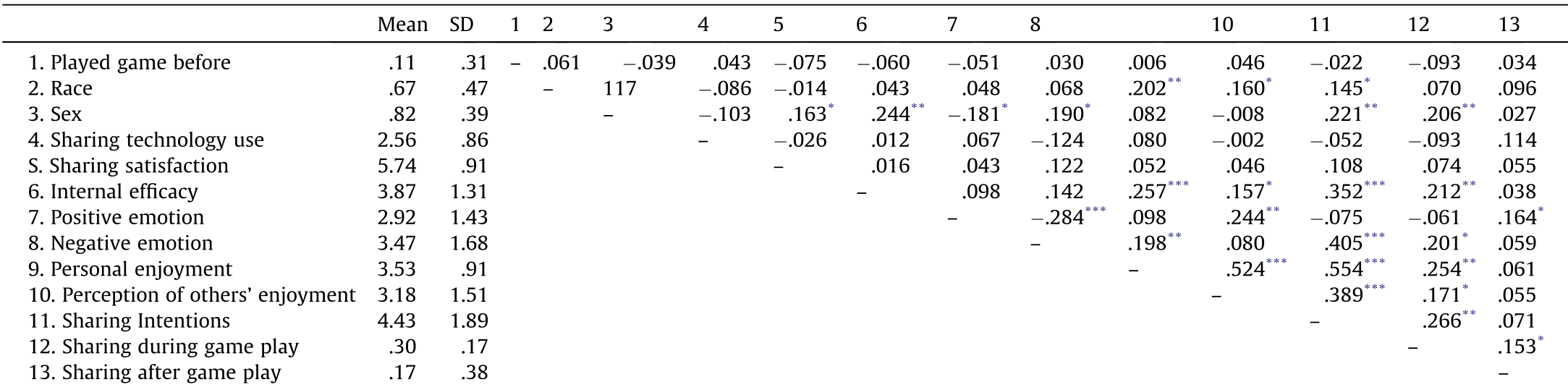
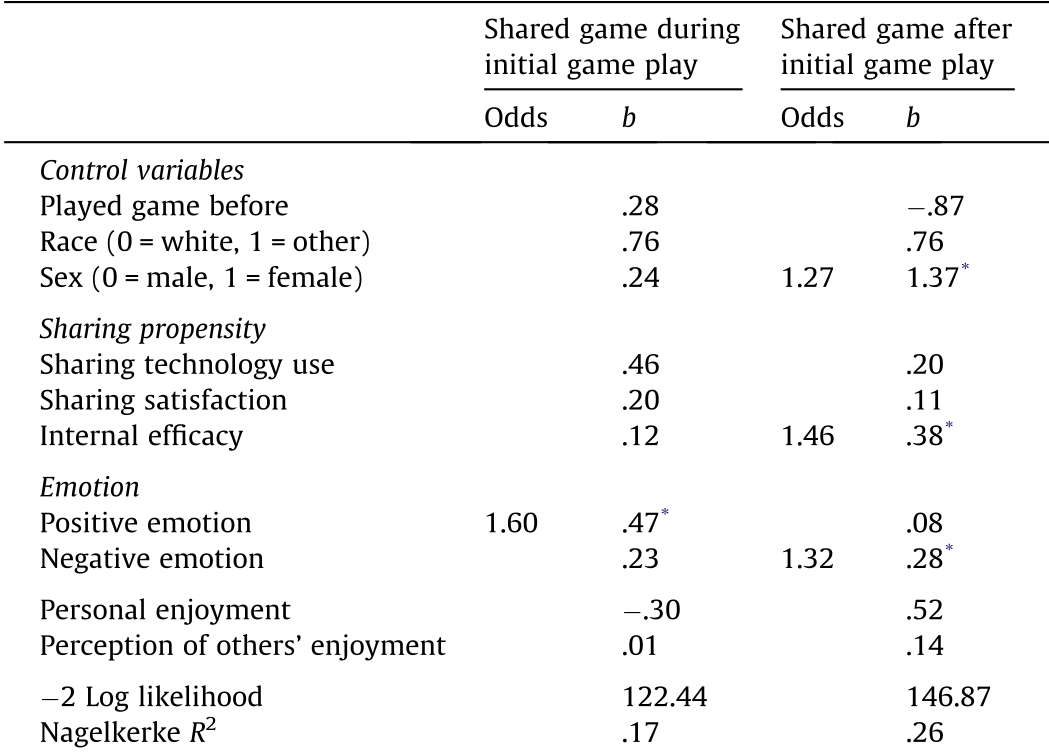
- Immediate Sharing (During Play): Predicted by Positive Emotion. When players succeed in the game or feel a sense of hope, they are 1.6 times more likely to send a link immediately. This is likely a "look at this cool thing" response.
- Delayed Sharing (Post-Play): Predicted by Negative Emotion. A week after the lab session, players who felt distressed or sad were the ones actually engaging in viral transmission.
- The "Enjoyment" Trap: While enjoyment was the strongest predictor of intentions (r = .55), it had zero statistical significance in predicting actual sharing behavior after the game ended.
Why Does This Work? (The Academic Intuition)
Why does sadness outlast happiness in the viral cycle? The author suggests a "Coping Mechanism" hypothesis. Negative emotions elicited by serious content create a state of tension. Sharing the game becomes a way for the player to "discharge" that tension, seek social validation for their distress, or feel they are taking a small step toward solving the problem (advocacy efficacy).
Furthermore, the study found that Internal Efficacy—the belief that one's actions can actually influence the crisis—was a robust predictor of sharing. If a player doesn't feel their voice matters, no amount of "fun" will make them a brand ambassador for the cause.
Critical Analysis & Conclusion
The Takeaway for Designers
Stop worrying if your serious game is "fun" in the traditional sense. Focus instead on:
- Efficacy-Building: Give players clear paths to see how their sharing impacts the real-world cause.
- Emotional Depth: Don't shy away from the "bittersweet." The discomfort is what makes the message stick long after the browser tab is closed.
Limitations
The study is based on a sample of college students and relies on self-reported sharing data. Future research should use server-side tracking to see exactly when and where share buttons are clicked in "the wild."
Future Outlook
As we move into an era of "impact-driven" media, this research provides a vital blueprint: viral success in the prosocial space isn't about the "clickbait" of joy, but the "slow burn" of empathy and the sense that an individual's digital actions can spark a global movement.