
Who is in Control? The Hidden Power Struggle in Humanitarian Crowdmapping
Who is in Control in Crowdsourcing Initiatives? An Examination of the Case of Crowdmapping
This paper investigates the power dynamics in crowdmapping by analyzing the Humanitarian OpenStreetMap (OSM) response to Typhoon Haiyan. Using Structuration Theory, it challenges the prevailing managerial view of crowdsourcing, proving that the crowd is a reflexive and knowledgeable entity capable of negotiating control with platform owners.
TL;DR
In the wake of Typhoon Haiyan, thousands of volunteers mapped the Philippines to aid disaster relief. While the organizations in charge thought they were in control, a quiet revolution was happening. This paper utilizes Structuration Theory to reveal that the "crowd" is not just a passive workforce but a knowledgeable agent that negotiates, protests, and eventually transforms the very systems meant to manage them.
Background: The Illusion of Managerial Control
Most academic literature treats crowdsourcing like an assembly line: the "owner" sets the tasks, and the "crowd" executes them. The focus is usually on Quality Control—how to prevent "bad" contributions via algorithms and peer review. However, this paper argues that this view is fundamentally flawed because it ignores the Agency of the volunteers.
Problem: When "The Crowd" Strikes Back
During the response to Typhoon Haiyan, a bottleneck emerged. To map effectively, the crowd needed high-resolution satellite imagery, which was controlled by commercial providers like DigitalGlobe and humanitarian agencies. When delays reached 7-10 days, the "managerial control" began to crumble.
The crowd didn't just wait for instructions; they reflected on the system's failure and initiated a dialectic of control.
Methodology: A Structuration Perspective
The researchers conducted 43 in-depth interviews with members of the Humanitarian OpenStreetMap Team (HOT), the Red Cross, and UN OCHA. They analyzed these through the lens of Anthony Giddens’s Structuration Theory, focusing on:
- Knowledgeability: The crowd knows its environment and its own value.
- Reflexivity: The crowd monitors its own performance and the constraints placed upon it.
- Dialectic of Control: The idea that subordinates (the crowd) always hold resources to influence their superiors (the owners).
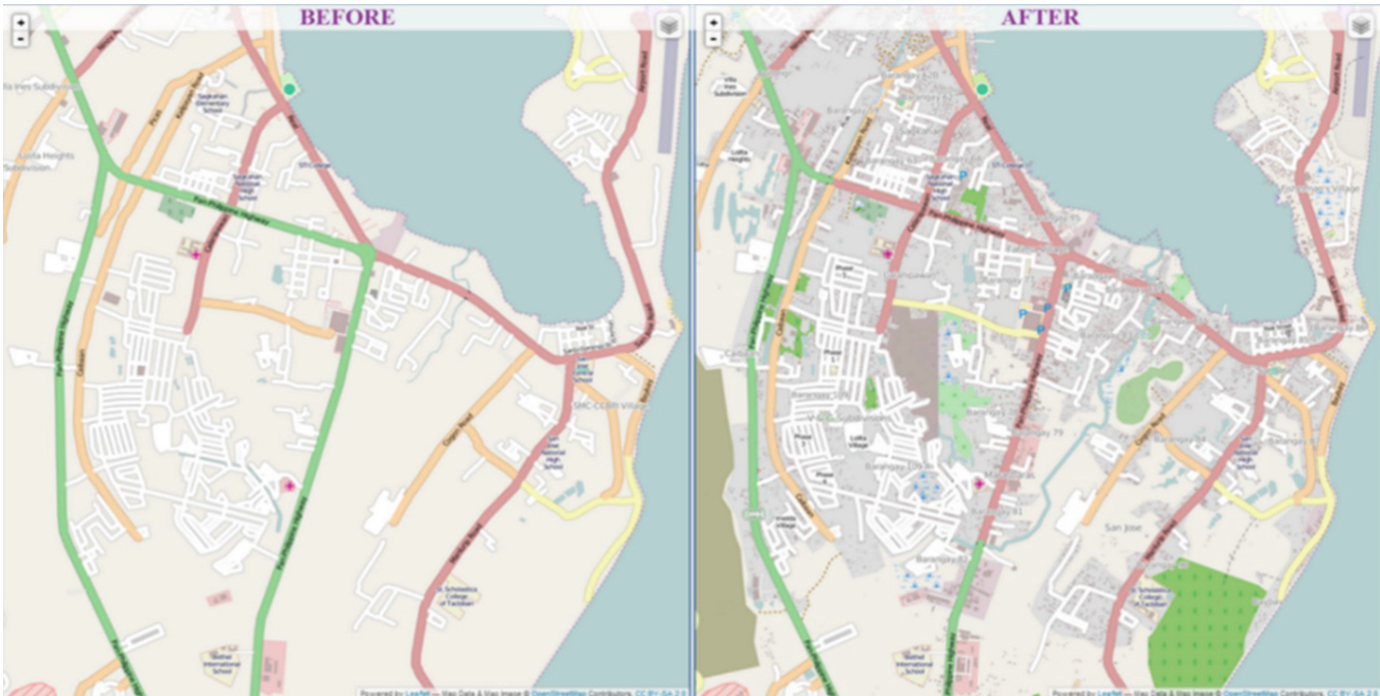 Figure 1: The massive output generated by the crowd, demonstrating their transformative capacity.
The Case Analysis: Petitions and Drones
The paper highlights two critical acts of crowd agency:
- The Online Petition: Frustrated by imagery delays, a volunteer launched a petition demanding faster access. Despite senior management viewing this as a "slap in the face" to corporate donors, over 400 volunteers signed it. This act of protest forced a re-evaluation of how imagery is procured.
- Technological Shift (UAVs): Knowledgeable agents within the crowd didn't just ask for better satellite images; they began testing Unmanned Aerial Vehicles (UAVs/Drones). By proposing community-owned imagery sources, they challenged the "allocative resources" held by satellite providers.
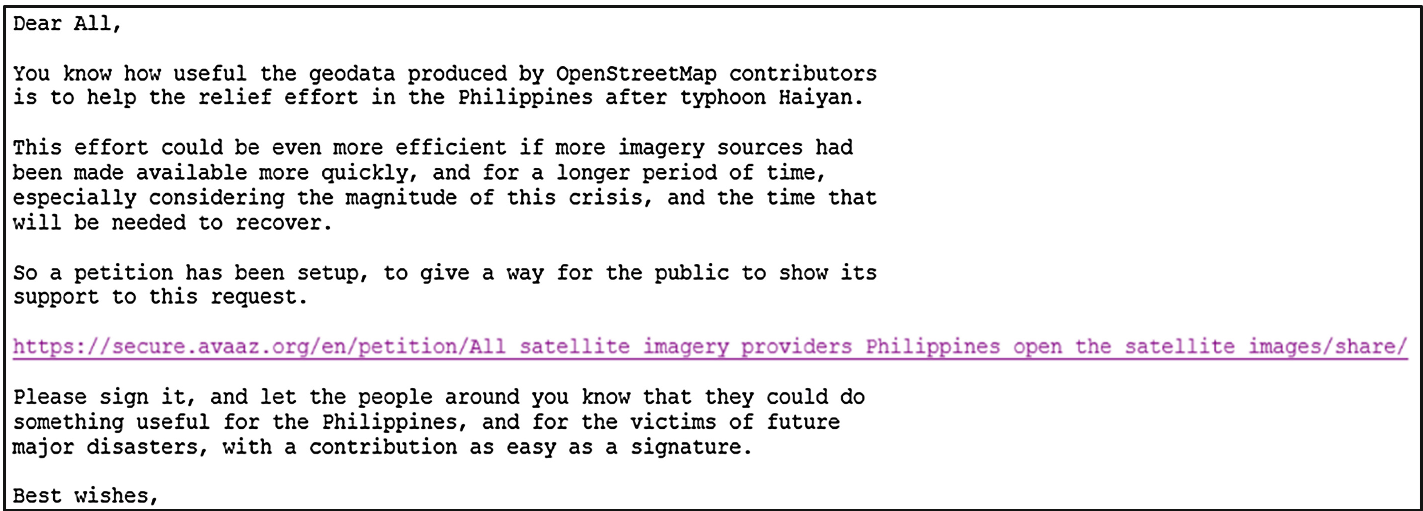 Figure 2: The tool of protest—evidence of the crowd exercising its voice beyond the Tasking Manager.
Deep Insight: Is Full Control Possible?
The study concludes that total control in crowdsourcing is a myth. Because volunteers are "reflexive," any attempt to exert rigid control via technology (like the HOT Tasking Manager) will eventually be met with a counter-move from the crowd.
The "Paradox of Crowd Interaction" suggests that the more an owner tries to limit the crowd to a specific role, the more likely the knowledgeable agents within that crowd are to seek alternative structures of power.
Critical Analysis & Conclusion
Takeaway
Crowdsourcing owners should stop viewing volunteers as "cultural dopes" to be managed. Instead, they must recognize the crowd as a reflexive partner. The value of the crowd isn't just in the number of clicks they provide, but in their ability to innovate and solve systemic bottlenecks (like imagery access) that the "owners" cannot.
Limitations
The study is set in a high-pressure humanitarian context. It remains to be seen if the same level of "reflexive protest" occurs in more mundane, corporate crowdsourcing tasks (like image labeling for AI) where the stakes are lower and the contributors are less mission-driven.
Future Outlook
As we move toward Web 3.0 and DAOs (Decentralized Autonomous Organizations), the "dialectic of control" observed here will likely become the standard operating procedure. The boundary between "Owner" and "Crowd" is blurring.