
WiCV at ECCV 2018: Engineering a More Inclusive Future for Computer Vision
WiCV at ECCV2018: The Fifth Women in Computer Vision Workshop
This report summarizes the fifth Women in Computer Vision Workshop (WiCV) held at ECCV 2018, the first iteration of the event in Europe. The workshop featured keynotes from elite researchers, oral and poster sessions for peer-reviewed papers, and a mentoring banquet to support female researchers in a male-dominated field.
TL;DR
The fifth Women in Computer Vision (WiCV) workshop at ECCV 2018 marked a milestone as the series' first European venture. Beyond a traditional technical gathering, it served as a strategic intervention to bridge the gender gap in AI through high-level mentorship, travel accessibility, and visibility for junior researchers. With over 100 attendees and a 40% male participation rate, the workshop transitioned from a niche gathering to a community-wide movement for equity.
The Resilience of the Gender Gap
The field of Computer Vision is witnessing an era of "Super-SOTA" achievements—from autonomous driving to 3D reconstruction. However, the demographic data tells a different story. The "isolation" of female researchers isn't just a social concern; it’s a systemic failure that leads to unconscious bias in hiring, grading, and peer reviews.
The organizers identified a crucial hurdle: geographic and financial barriers often prevent junior female talent from Asia, the Middle East, and Europe from attending North American-centric events. By bringing WiCV to ECCV in Barcelona, the workshop targeted "Global Inclusion" as a core objective.
Methodology: Beyond the Poster Session
WiCV 2018 wasn't just about showing work; it was about building a "career pipeline." The methodology for the workshop was structured around four pillars:
- Visibility via SOTA Keynotes: Featuring luminaries like Tamara Berg, Svetlana Lazebnik, and Kate Saenko, the workshop provided "proof of possibility," showcasing technical excellence in Vision+Language, Neural Network Adaptation, and Explainable AI.
- Financial De-risking: Through aggressive industry sponsorship, the workshop provided travel stipends for all accepted female authors, ensuring that financial constraints didn't silence talent.
- The Mentorship Banquet: An informal setting designed to break the hierarchy, allowing junior students to interact directly with senior faculty.
- Allyship Integration: By including male researchers like Jitendra Malik and Andrew Fitzgibbon in the panel, the workshop emphasized that structural change requires a 100% community effort, not just 10%.
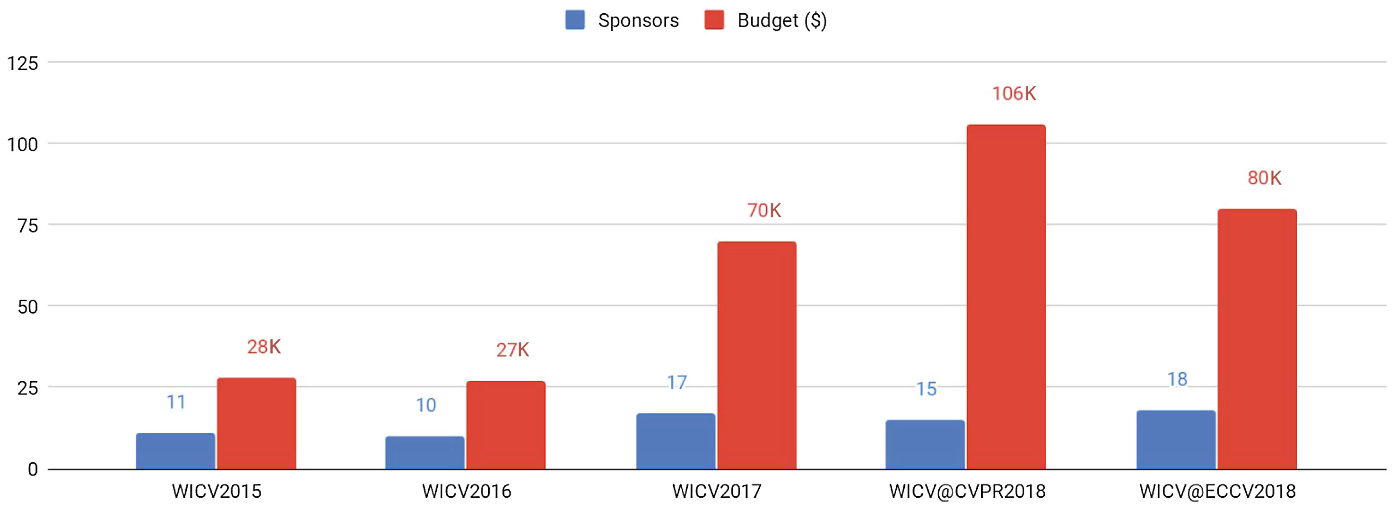 Fig 1: The diverse range of industry sponsors highlights the commercial sector's recognition of diversity as a business and research necessity.
Quantifying the Impact
The workshop saw 50 high-quality submissions covering the industry's most critical topics: Object Detection and Machine Learning. The shift in participation trends over the years shows a maturing platform that consistently draws quality research despite the logistical challenges of international conferences.
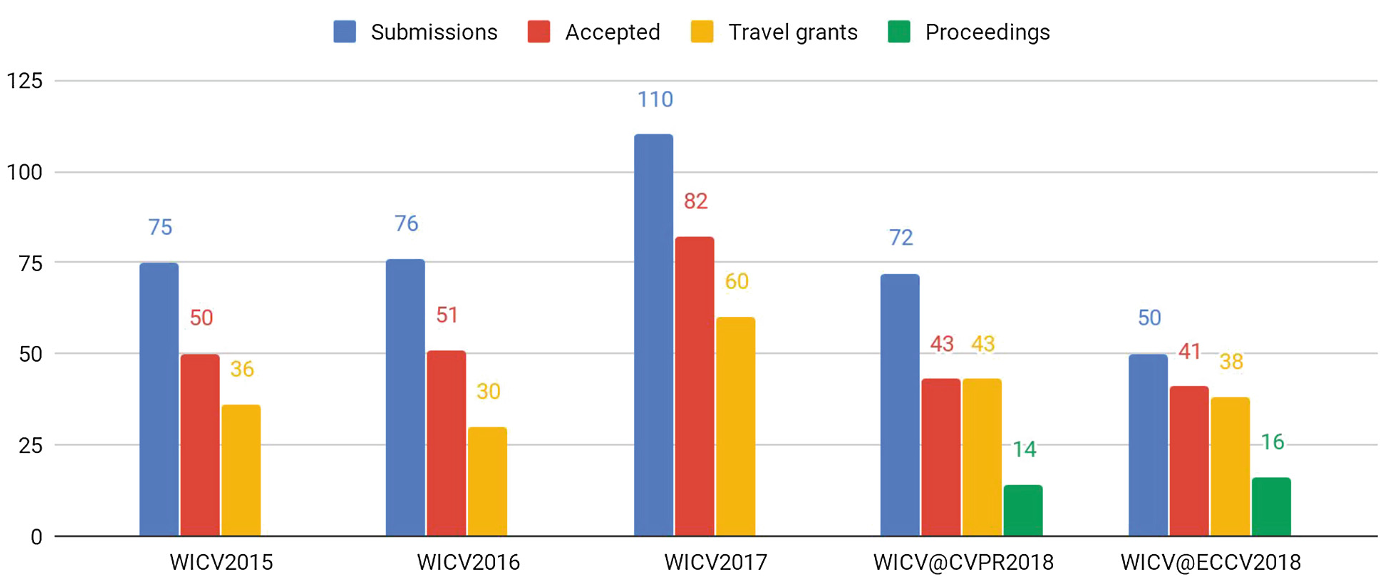 Fig 2: Comparison of WiCV submissions across different flagship conferences.
Key Outcomes:
- Attendance: 100+ participants, exceeding room capacity.
- Diversity: 40% male attendance—a critical metric for a workshop focused on systemic change.
- Policy Influence: The workshop directly recommended that ECCV adopt a "Code of Conduct" and an ombudsperson, following the successful implementation at CVPR.
Critical Analysis & The Path Forward
The success of WiCV at ECCV 2018 highlights a clear Inductive Bias in our community: we often assume that technical progress automatically leads to social progress. WiCV proves that social progress requires active "feature engineering."
Limitations & Challenges: While attendance is rising, the absolute number of submissions at ECCV was slightly lower than CVPR, likely due to the smaller overall size of the ECCV conference.
The Vision for 2020 and Beyond: The organizing committee is moving toward formalizing WiCV as a Non-Profit Organization. This is a strategic move to ensure the workshop remains an autonomous, sustainable force in the AI landscape, independent of specific conference cycles. For the field of Computer Vision to truly solve "human-level" problems, it must first reflect the "human-level" diversity of the world it seeks to model.