
Identifying and Mitigating the Digital Toll: Women’s Experiences with Online Harassment
Identifying Women's Experiences With and Strategies for Mitigating Negative Effects of Online Harassment
This study investigates the frequency and severity of online harassment among young women using a weighted multi-factor measure. Leveraging a survey of 659 university students, the authors identify key correlations between harassment, psychological well-being, and identity management strategies across platforms like Facebook, Twitter, and Instagram.
TL;DR
This research provides a rigorous empirical look at how young women navigate the "dark side" of the web. By surveying 659 women, the study reveals that online harassment is not just ubiquitous—it's being normalized. The authors propose that the way we design social media (its affordances) directly impacts the severity of harassment and offer five key design interventions to help women regain their digital agency.
The "Gender-Neutral" Myth and the Reality of Misogyny
Earlier internet discourse often optimistically claimed that the digital realm would be a "gender-blind" utopia. This paper dismantles that notion, positioning online harassment as a continuation of offline power asymmetries. The authors argue that misogyny has simply migrated and been amplified by technology. Whether it is #GamerGate or daily unwanted messages, the psychological, professional, and financial impacts on women are profound, often leading to a "chilling effect" where women self-censor or withdraw from the public sphere entirely.
Methodology: Beyond Simple Counts
One of the paper's core contributions is its Weighted Harassment Scale. Instead of treating a "rude comment" the same as "doxing" (releasing private contact info), the authors assign weights (ranging from 1.5 to 3.0) based on the severity of the act.
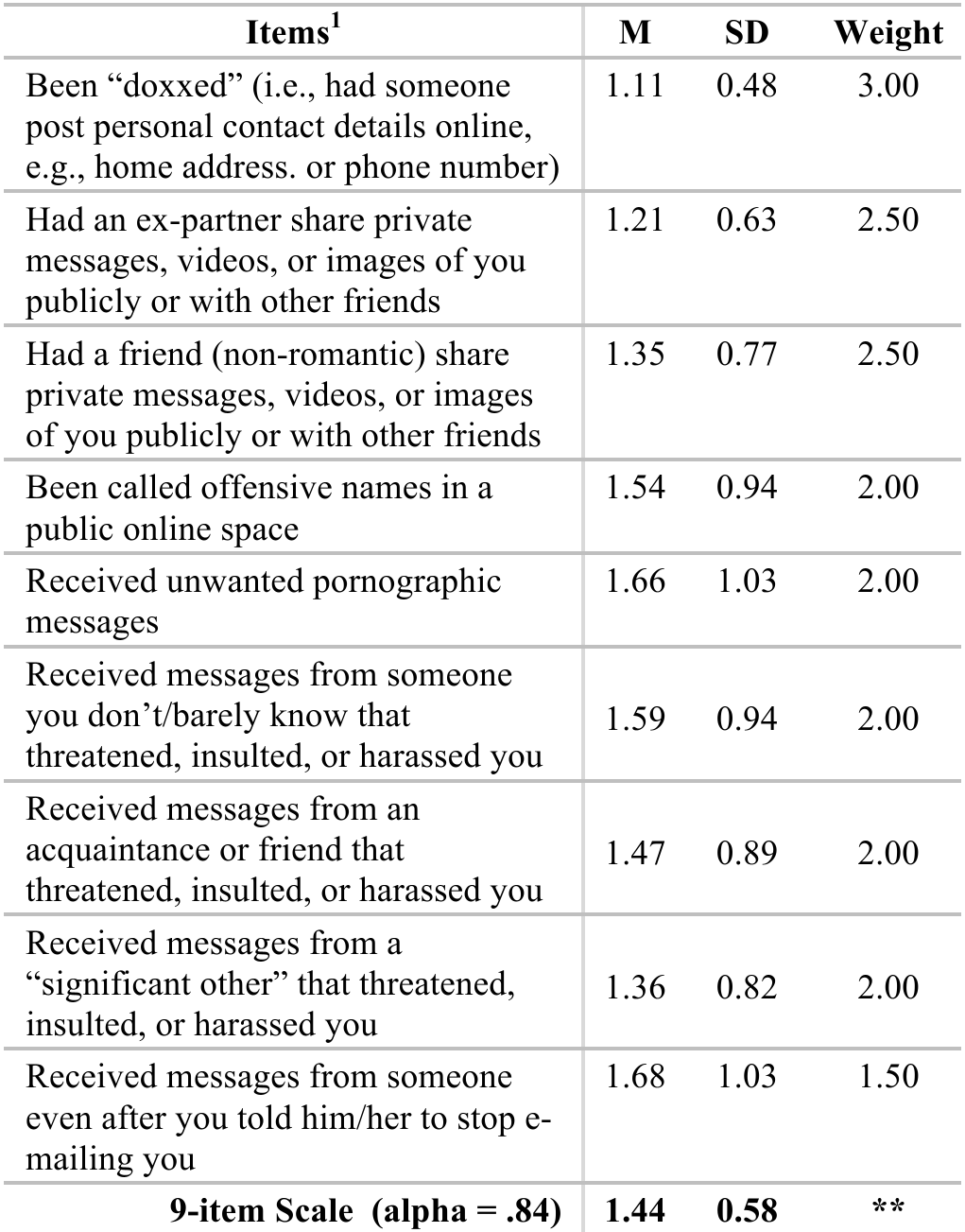
The researchers used nested OLS regression to see which factors—loneliness, self-esteem, or specific site usage—best predicted a woman’s "harassment score."
Key Findings: The Normalization of Abuse
A startling discovery was the perceptual discrepancy:
- 63.2% of women said "Yes" when asked if they had ever been harassed.
- 77.8% of the same group reported experiencing at least one of the specific harassing behaviors (like receiving unwanted porn or being called names).
This suggests that many women have become so desensitized to certain types of digital abuse that they no longer label it as "harassment"—they simply see it as the "cost of being online."
Platform-Specific Insights
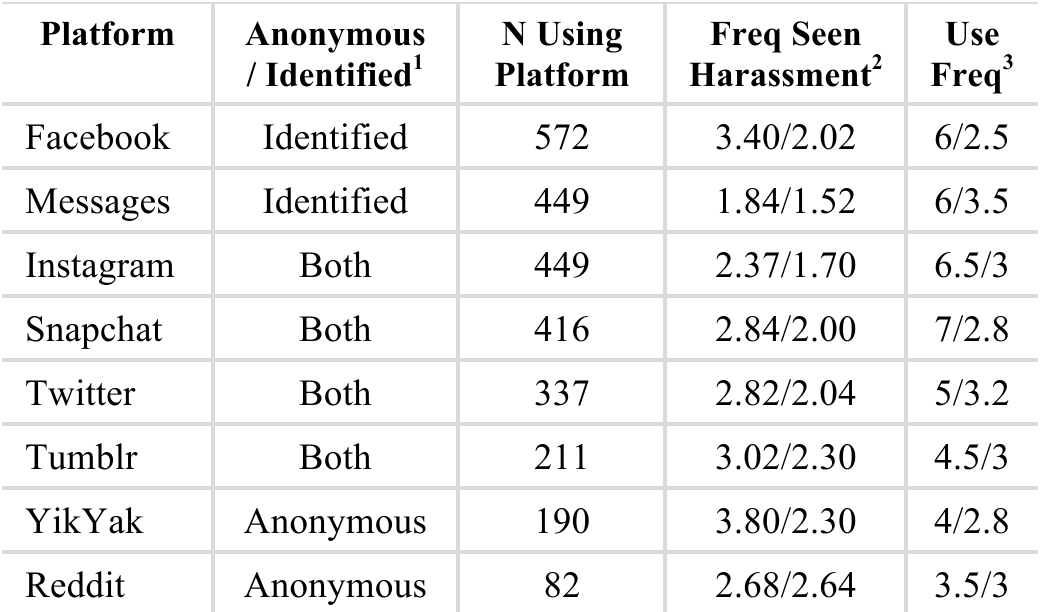
The study highlights that harassment isn't uniform across the web:
- Facebook: Higher instances of harassment linked to loneliness.
- Instagram: Harassment was more closely tied to the amount of personal information shared.
- Twitter: High visibility often leads to more frequent exposure to upsetting content.
Design for Agency: Five Strategic Recommendations
The authors don't just point out problems; they offer technical solutions for the CSCW (Computer-Supported Cooperative Work) community:
- Well-being Interventions: Automate "positively valenced" feedback or highlight positive interactions to buffer the emotional toll of a negative event.
- Custom Filtering: Move beyond static lists of "bad words" to allow users to define their own triggers and filtered keywords (as seen in Instagram's later updates).
- Alternatives to Deactivation: Instead of "leaving the platform," brands should offer "limited modes" or bulk-blocking tools to keep women connected to their support networks while silencing attackers.
- Transparent Impression Management: Make privacy settings less opaque. Users often underestimate their audience size; platforms need "Privacy Checkups" to be front and center.
- Rapid Platform Response: Corporations must prioritize speed. Delayed action on reported harassment often emboldens attackers and leaves victims in a state of sustained trauma.
Conclusion
The study concludes that as long as technology is designed without a feminist lens, it will continue to facilitate the marginalization of women. The goal for future developers isn't just to "moderate" content, but to build architectures that proactively protect a user's sense of safety and agency. Online harassment is a social problem that requires a technical—and societal—evolution.